
 EN
Developing Sports and Outdoor Eyewear Collections for Different Activity Scenarios
Activity-driven scenario mapping helps top eyewear brands build coherent, scalable outdoor collections—boosting differentiation, merchandising & ROI.
Turning an Activity Scenario Into a Product Brief
The fastest way to build a weak outdoor range is to design one product and sell it for every activity. Cycling, fishing, hiking and general travel each place different demands on a frame, and those demands should shape the brief long before a sketch is approved. A scenario-led approach to sports and outdoor eyewear starts with how and where the product will be worn.
For a brand, this is a commercial method as much as a design one. When each product in a sports and outdoor eyewear collection answers a specific scenario, the range becomes easier to explain, merchandise and extend. Customers understand why one frame exists alongside another, and buyers avoid offering several products that are functionally the same.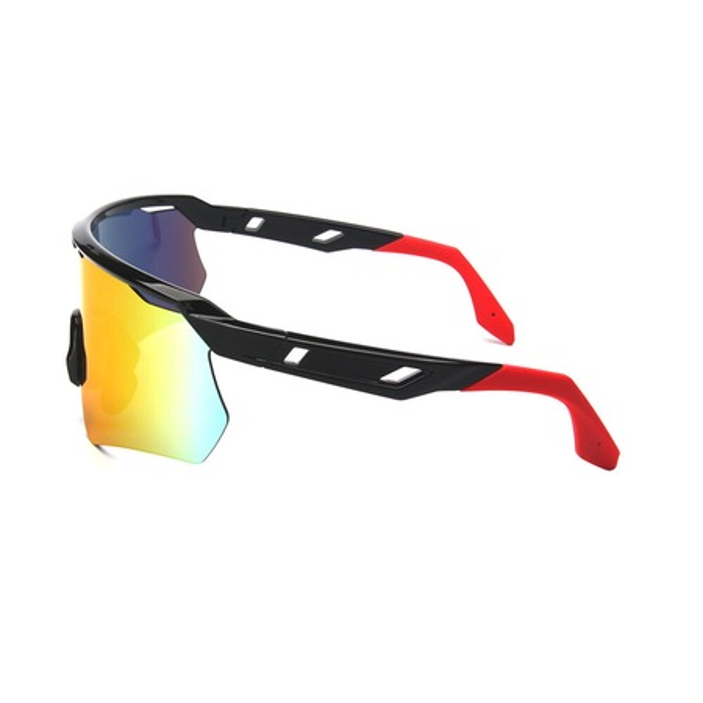
Mapping Scenario Requirements
A scenario only becomes useful when it is turned into concrete requirements that change the product.
Letting the Use Case Lead
The use case should be the first decision rather than the last. Before choosing a shape or a tint, a brand benefits from defining the conditions the product will face: how much movement is involved, how long a session lasts, how bright the environment is and whether the wearer needs clarity in changing light.
Those conditions set the priorities. A product for sustained high-motion use protects stability and retention first, while one for relaxed outdoor walking can prioritise comfort and versatility. Making the use case explicit keeps the collection honest and stops a casual product being marketed as a performance one.
Fit Stability and Coverage as Filters
Stability and coverage separate most scenarios. Stability decides whether a frame stays in place during movement, and coverage decides how much of the field of view the lens and frame protect from stray light and wind.
A cycling product typically needs strong retention and a wrap that follows the face at speed. A hiking product can accept a more relaxed fit because the wearer moves less predictably. General travel tips toward comfort and easy on-and-off handling, which changes hinge and temple priorities. That ordering keeps the product honest about what it is built to do.
Deciding How Many Product Families
A coherent collection can often be grouped into fewer families than a brand assumes. Once scenarios are sorted by their real requirements, three broad families cover most outdoor use: a stable performance family, a bright-light and water family, and a versatile everyday family.
Fewer families mean less tooling, simpler replenishment and a clearer story. Shared components and materials across families also make the range easier to produce consistently. That discipline keeps the range compact as it grows, so each new scenario becomes an addition.
Cycling and Fast-Motion Scenarios
Cycling places some of the hardest demands on eyewear, because the wearer moves quickly and leans forward.
Geometry and Wrap for Riding
A riding position changes which part of the lens the wearer looks through. With the head tilted forward, the lens needs to sit higher relative to the eyes, and the front usually needs a wrap that follows the brow and keeps coverage without blocking peripheral vision.
Wrap geometry affects stability as well. A front that curves around the face distributes contact more evenly and resists movement better than a flat one, and the temples have to meet that curve so the frame behaves as one piece. Holding that geometry through tooling and inspection is what keeps a cycling frame stable.
Weight and Material at Speed
Weight matters more when the wearer is moving, because a heavy frame shifts under vibration and demands more grip to stay in place. Light constructions such as TR90 and moulded frames are common for that reason, since they combine low mass with the flexibility to absorb movement.
Material also interacts with stability. A frame that is rigid everywhere can transmit vibration, while one that flexes in the right places holds position more comfortably. Mixed constructions can pair a stable front with lighter, more flexible temples, and weight and stability are specified together rather than in sequence.
Lens and Finish Direction
Cycling lenses serve a moving wearer in bright, variable light, so tint, colour rendering and surface treatment matter alongside the frame. Mirror and gradient finishes are popular visually, but the lens brief should also consider how the product performs as light changes through a ride.
Finish direction supports identity. A matte, grippy finish reads as technical, while a gloss finish reads as sleek, and the choice should match the positioning. Colours often sit within a tight technical palette so the collection feels deliberate, and lens features should be described only as they are verified.
Fishing, Water and Bright Light
Water reflects and intensifies light, and sessions often last for hours, which shifts the brief toward glare and comfort.
Coverage and Glare Management
Reflected light from water makes coverage and lens behaviour unusually important. Polarised lenses are widely chosen because they manage glare from flat surfaces, and a frame that covers more of the field of view reduces stray light reaching the eye from the side and above.
Coverage and lens work together. A wider wrap supports a steeper lens curve, which changes how tint and any mirror finish read across the surface. Because conditions are bright and sustained, small inconsistencies in fitting or tint become noticeable, so fitting precision matched to frame geometry is the requirement.
Comfort Across Long Sessions
Long sessions in strong light make comfort a functional requirement. A frame that presses on the nose or behind the ears becomes difficult to ignore after a few hours, so pressure distribution and grip are tuned for extended wear rather than a quick try-on in a showroom.
Colour and finish serve the scenario too. Deep, muted tones and matte surfaces read as functional and hold up under strong light, while a durable, easy-clean surface survives salt, sunscreen and repeated handling. These details are specified early, because a frame that becomes uncomfortable does not get worn again.
Hiking, Travel and Coherence
Not every buyer of sports and outdoor eyewear is chasing performance, and versatility is its own engineering brief.
Versatility and Durability on the Trail
Trail and travel use mixes walking, driving and changing weather, so one product may need to work in several contexts. That favours a versatile shape rather than a specialised one, along with a construction that survives being packed, dropped and handled roughly over a trip.
Durability is often about details: hinge strength, finish resistance and stability over repeated folding. These are the parts a traveller tests without intending to. Hinge durability can be evaluated with a fatigue tester that simulates repeated opening and closing, and finished frames are checked before packing.
Lens Options for Changing Light
General outdoor use tends to involve changing light, from morning shade to midday glare, so lens options that suit a range of conditions are valuable. Tints that balance colour rendering with comfort, and treatments that resist marks, often serve this customer better than a highly specific lens.
The lens brief should match the way the product will be sold. If the frame is positioned as an everyday outdoor product, the lens should support that claim; if it is positioned for bright conditions, the brief should say so and the description stay within what has been verified.
Keeping a Sports and Outdoor Eyewear Collection Coherent
A collection built across scenarios still has to read as one brand. Shared design language, consistent materials and a common component base hold the range together even when products answer different needs, and they make the collection easier to merchandise as a set.
Coherence is a production advantage too. When families share parts and processes, replenishment is simpler and quality is easier to hold. The test is simple: a customer should see why one product suits their activity and why another suits a different one, without the two feeling like the same frame sold twice.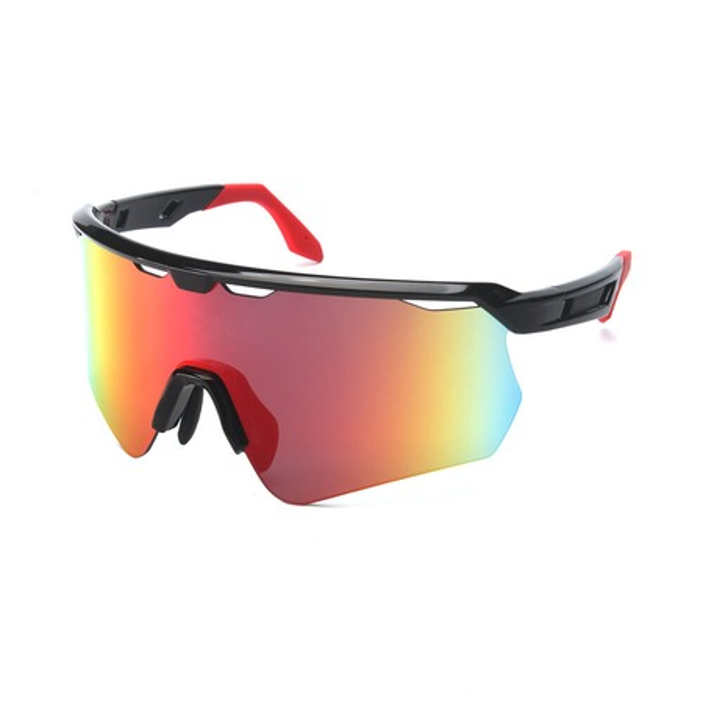
Frequently Asked Questions
How does each activity scenario change the brief?
Each scenario shifts the weight given to stability, coverage, weight and lens behaviour. Cycling prioritises retention and wrap for a forward-leaning, fast-moving wearer, while fishing prioritises glare management and long-wear comfort in bright light. Hiking and travel reward versatility and durability more than maximum retention.
What should a multi-scenario collection include?
It can often be grouped into a stable performance family, a bright-light and water family, and a versatile everyday family. These three answer most use cases without overlapping, and each can carry colourways and lens variants. A sports and outdoor eyewear collection should share a design language and, where possible, components and materials.
Which materials work across outdoor scenarios?
TR90 and moulded constructions suit fast-motion use, metal and titanium suit durable thin rims, and acetate adds colour depth for lifestyle-led lines. Mixed frames combine a stable front with lighter temples. Choice depends on scenarios: high-motion use favours low weight and controlled flex while outdoor use rewards durability.



