
 EN
Acetate Glasses Thickness Options and Their Effect on Weight: Manufacturing Considerations for OEM/ODM Projects
Discover acetate glasses thickness standards. Learn how material thickness impacts weight, comfort, durability and production for custom acetate optical frames OEM ODM projects.
The thickness of acetate glasses represents one of the most critical material decisions in eyewear manufacturing, directly impacting both the final product weight and the overall wearing comfort for end users. For OEM and ODM projects, understanding how thickness specifications influence manufacturing outcomes is essential to meeting client expectations and maintaining production efficiency. Acetate glasses have become the preferred choice for premium eyewear because of their superior aesthetic properties, durability, and ability to be customized into virtually any frame design.
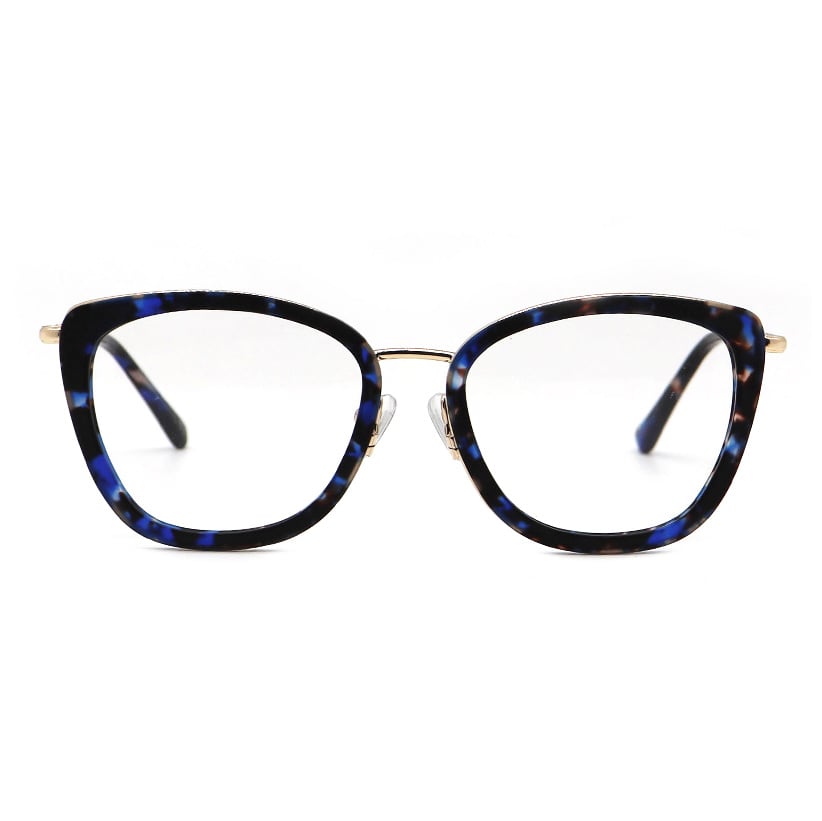
When manufacturers evaluate acetate glasses options for private-label production, the relationship between material thickness and finished weight becomes a primary engineering consideration. Thicker acetate stock provides enhanced structural rigidity and can accommodate more aggressive frame designs, while thinner acetate materials reduce overall weight but demand more precise manufacturing processes to maintain optical alignment and frame stability. The decision on thickness ultimately affects cost structure, production lead times, tooling requirements, and the competitive positioning of the final eyewear product in the market.
Understanding Acetate Thickness Standards in Eyewear Manufacturing
Standard Thickness Ranges for Optical Frames
Acetate sheets are available in different thicknesses to accommodate various eyewear designs. Common specifications may vary by supplier, product style, and manufacturing requirements. Thinner sheets can support lightweight designs, while thicker materials may be selected for frames requiring greater structural dimensions. The appropriate thickness should be determined according to frame geometry, lens mounting requirements, and intended product performance. Each thickness range serves distinct market segments and design philosophies. Thin handcrafted acetate glasses excel in contemporary fashion-forward designs where minimal visual mass enhances the aesthetic appeal, while standard-gauge acetate frames provide the optimal balance between durability and weight that suits most general consumer applications.
For OEM manufacturers developing custom acetate optical frames, selecting the appropriate thickness begins with understanding the intended end-user demographic and the specific frame geometry planned for the design. Vintage and retro-inspired styles often benefit from thicker acetate materials that convey substantial craftsmanship, whereas modern minimalist designs frequently leverage thinner materials to achieve a refined, lightweight appearance. The thickness specification must align with the frame's structural requirements, bridge width, temple length, and lens mounting system to ensure both optical performance and user satisfaction.
How Thickness Affects Material Properties
The inherent properties of acetate materials change measurably as thickness increases, influencing how the finished handcrafted acetate glasses performs in real-world conditions. Thicker acetate stock exhibits greater resistance to flexing and warping, which becomes particularly important in frames with longer temples or wider bridge designs that experience regular stress from handling and wearing. Thicker acetate sections generally provide greater structural stiffness, although flexibility and shape recovery also depend on material composition and processing conditions. Frame geometry and manufacturing quality therefore remain important factors in determining long-term stability and adjustment requirements.
Conversely, thinner acetate materials require careful consideration during sheet processing to maintain dimensional accuracy and structural integrity. Manufacturing processes such as CNC milling, cutting, grinding, and polishing must be properly controlled to ensure consistent frame dimensions and smooth surface finishes. Thinner materials can reduce raw material consumption and create a more refined appearance, but manufacturers must also consider frame geometry, edge strength, and the durability requirements of the finished acetate optical frames.
Weight Impact Analysis and Consumer Comfort Implications
Calculating Weight Reduction Through Thickness Optimization
Wear Comfort and User Perception of Lightweight Frames
Manufacturing Challenges and Technical Considerations for Thickness Decisions
Tooling and Production Process Impacts
Acetate glasses manufactured from sheet materials require appropriate processing specifications to accommodate the selected thickness and frame design. The production process typically involves sheet cutting, CNC milling, shaping, grinding, and polishing to achieve the desired frame dimensions and appearance. When changing thickness specifications, manufacturers need to reassess the frame's front structure, temple dimensions, lens groove depth, and hinge mounting areas. Any adjustments to processing programs, fixtures, or machining procedures should be evaluated according to the specific design requirements and production conditions.
Production efficiency for acetate optical frames depends on several factors, including sheet material utilization, cutting layout, CNC machining time, and the amount of grinding and polishing required. Reducing material thickness does not necessarily shorten the overall production cycle or increase manufacturing throughput, as processing time also depends on frame complexity and finishing requirements. Manufacturers should evaluate material utilization, machining efficiency, dimensional accuracy, and finished product quality together when determining the most suitable thickness specifications for handcrafted acetate glasses.
Quality Control and Dimensional Stability Considerations
Dimensional accuracy and material consistency are essential quality control considerations for acetate optical frames, particularly when working with thinner sheet materials. Manufacturers should inspect incoming acetate sheets for thickness consistency, flatness, color uniformity, and surface defects before processing. During production, particular attention should be paid to rim thickness, bridge dimensions, temple profiles, and lens groove specifications. Accurate CNC machining and careful finishing help ensure consistent frame dimensions, proper lens fitting, and reliable structural performance across different production batches.
After machining and finishing, acetate optical frames should undergo dimensional and assembly inspections to verify their overall quality and consistency. Key inspection points include frame symmetry, lens fitting, temple alignment, hinge operation, and surface finish. For frames involving heating or bending during shaping and adjustment, additional checks should be performed after cooling to confirm that the frame maintains its intended shape. Manufacturers should establish appropriate inspection procedures based on material characteristics and actual processing requirements to ensure consistent product quality before final assembly and shipment.
Strategic Recommendations for OEM/ODM Thickness Selection
Balancing Performance, Cost, and Market Positioning
The optimal thickness selection for any handcrafted acetate glasses project emerges from careful analysis of target market expectations, competitive positioning, and manufacturing cost structure. Thickness selection for different market segments should consider target pricing, frame design, material consumption, and durability requirements. Thicker or thinner acetate specifications may be suitable for different product styles, but the final decision should be based on structural requirements, manufacturing feasibility, and prototype evaluation rather than market positioning alone.
Premium eyewear designs may use thinner acetate sections to achieve a refined appearance and reduce material weight. However, thinner specifications require careful evaluation of frame geometry, machining accuracy, and structural durability. Material costs and production expenses should be assessed according to actual supplier quotations, processing requirements, and finished product specifications. OEM manufacturers should establish market research protocols that directly assess consumer perception of weight and thickness aesthetics within their specific target segments before finalizing thickness specifications.
Future Considerations and Design Innovations
FAQ
What thickness range is considered standard for acetate optical frames?
Standard acetate optical frames typically measure between 2.8 and 3.5 millimeters thick, representing the most common specification for general consumer eyewear. This range provides excellent balance between durability, weight, and manufacturing efficiency. Acetate glasses within this thickness range exhibit optimal structural performance for most frame designs, bridge widths, and lens mounting systems commonly found in retail eyewear markets worldwide.
How much weight reduction can be achieved by selecting thinner acetate materials?
Reducing acetate glasses thickness can help decrease material consumption and potentially lower the overall frame weight. However, the actual weight reduction cannot be determined by thickness changes alone. For example, reducing material thickness from 3.2 millimeters to 2.1 millimeters does not automatically result in a 30 to 40 percent reduction in finished frame weight. The final result depends on the frame's overall geometry, rim dimensions, bridge structure, temple design, and the proportion of components affected by the thickness adjustment. OEM manufacturers should evaluate the material volume and weight of the specific frame design, preferably through CAD modeling and prototype testing, before establishing realistic weight reduction targets.



