
 EN
Anti-Slip Temple Materials Used in Sports Sunglasses: Manufacturing Considerations for OEM/ODM Projects
Choose anti-slip temple materials for sports sunglasses OEM and ODM projects, weighing coatings, molded texture, adhesion, cost, and durability.
Anti-slip temple materials represent a critical engineering consideration in sports sunglasses design and manufacturing. For OEM and ODM projects, selecting the right temple coating or material directly impacts wearer comfort, product durability, and competitive differentiation in the performance eyewear market. Whether producing running sunglasses for trail athletes or cycling sunglasses for road cyclists, manufacturers must balance slip resistance with aesthetic appeal, cost efficiency, and regulatory compliance.
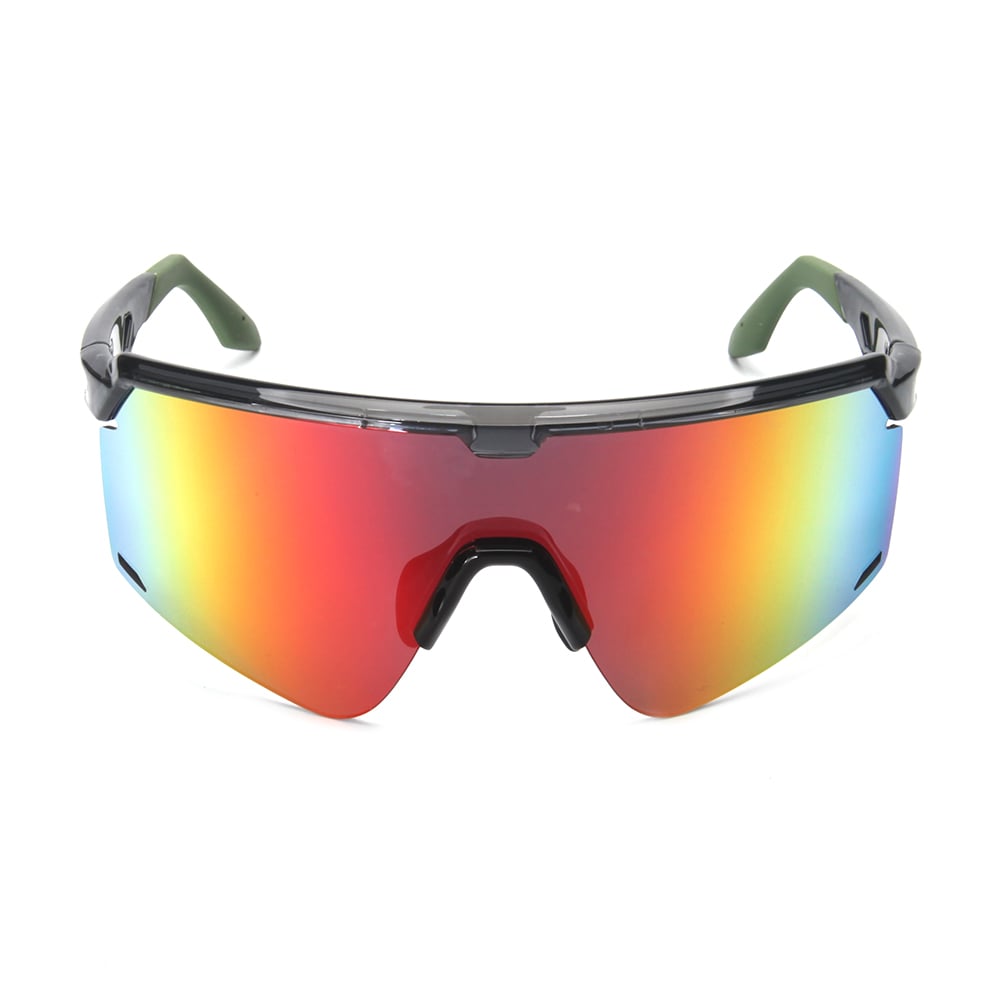
Temples are where performance sunglasses make physical contact with skin, hair, and perspiration. Without suitable grip and frame stability, sports sunglasses may shift during intense activity, causing discomfort, requiring frequent adjustments, and potentially affecting visual stability. This article explores the material science, manufacturing processes, and practical considerations that define successful anti-slip temple solutions for performance sunglasses across diverse sports applications.
Understanding Anti-Slip Temple Technology
Core Function and Performance Requirements
Anti-slip temple designs involve more than material friction. In cycling sunglasses and running sunglasses, grip performance depends on material properties, temple geometry, surface texture, contact pressure, and interaction with skin and hair. Sweat, skin oils, sunscreen, and environmental exposure may also affect surface performance over time. Manufacturers should evaluate these factors under relevant wearing conditions to determine whether a selected material or surface treatment provides suitable comfort, grip, and durability.
Manufacturers should evaluate anti-slip performance through testing that reflects actual eyewear wearing conditions. Relevant factors include dry and wet contact, artificial perspiration exposure under defined test conditions, contact pressure, sliding behavior, and surface durability after repeated friction. Test parameters such as perspiration composition, exposure time, and temperature should be documented to support consistent performance evaluation. For sports sunglasses intended for beach or water activities, exposure to salt water and sunscreen should also be considered. OEM and ODM projects should establish suitable test conditions, evaluation methods, and acceptance criteria according to the intended application rather than relying on a single friction coefficient.
Material Selection Hierarchy
Potential anti-slip temple solutions include thermoplastic rubber, soft polyurethane, silicone-based surface treatments, textured polymers, and hybrid material structures. These options differ in flexibility, surface characteristics, adhesion requirements, and environmental resistance. Their suitability depends on the specific material grade, substrate, surface condition, and intended wearing environment. Running sunglasses and cycling sunglasses may also use molded surface textures to improve contact stability. Manufacturers should evaluate material compatibility and performance under exposure to sweat, skin oils, sunscreen, and repeated friction before selecting a suitable solution.
Manufacturing Process Considerations for OEM/ODM
Coating Application and Adhesion
Applying anti-slip surface treatments to plastic or metal temple frames requires appropriate process control. Injection molding can incorporate textured patterns directly into the temple mold, reducing the need for additional coating processes. This approach may improve production consistency and avoid coating-specific adhesion issues. However, molded textures do not guarantee permanent anti-slip performance, as surface wear, dirt accumulation, material aging, repeated friction, and molding consistency can affect long-term results. Manufacturers should evaluate texture durability under representative use conditions.
Post-molding coating application offers flexibility when customizing existing frame designs but requires careful evaluation of coating adhesion. Surface preparation methods such as plasma treatment, primer application, or mechanical roughening may be considered depending on the substrate and coating system. These processes should not be applied universally, as their effectiveness depends on material compatibility and treatment parameters. For cycling sunglasses and running sunglasses, coating adhesion should be evaluated through suitable testing under repeated flexing, friction, and environmental exposure. ODM projects should establish appropriate inspection procedures and acceptance criteria before production release.
Cost-Benefit Analysis in Manufacturing
Integrated texture molding and post-molding coating are two possible approaches to anti-slip temple design, each involving different production requirements. Molded textures may reduce additional surface treatment steps but require suitable mold design and initial tooling investment. Coating methods offer greater flexibility in surface treatment options but introduce additional requirements for material compatibility, application control, and adhesion testing. The more suitable approach depends on production volume, frame structure, target cost, appearance requirements, and expected durability. OEM and ODM manufacturers should compare the complete production and quality control costs before selecting a process.
Material sourcing and supplier qualification are important considerations in anti-slip temple development. OEM partners should verify material specifications, consistency between batches, and compatibility with the selected frame substrate and manufacturing process. Supplier documentation and sample testing can help identify potential issues before mass production. ODM projects can also evaluate different surface treatments and material options according to product positioning, target cost, and intended wearing conditions.
Regulatory, Durability, and Market Fit Factors
Compliance and Safety Standards
Sports sunglasses may be subject to different product standards depending on their intended use and target market. ANSI Z87.1 addresses occupational and educational eye and face protection, while EN ISO 12312-1 applies to general-purpose sunglasses. Neither should be treated as a dedicated standard for anti-slip temple performance. However, frame materials and surface treatments remain important quality considerations. Manufacturers should evaluate coating adhesion, material stability, surface durability, and potential defects through appropriate testing. Any anti-slip performance claims should be supported by documented test results rather than assumed from material specifications alone.
Regulatory requirements for eyewear materials and coatings depend on the target market, product classification, intended use, and applicable product claims. OEM and ODM projects should identify relevant market requirements before finalizing material and coating specifications. Manufacturers should also maintain appropriate material documentation and evaluate applicable chemical restrictions, product safety requirements, and labeling obligations. Where regulatory classification or compliance requirements are unclear, qualified regulatory professionals should be consulted before production and market release.
Long-Term Performance and Consumer Perception
Anti-slip performance may change over time due to environmental exposure and repeated use. Running sunglasses exposed to UV radiation, sweat, skin oils, and sunscreen may experience changes in surface condition, while cycling sunglasses may be affected by repeated friction, moisture, and temperature variations. The extent of these changes depends on material composition, surface treatment, and actual wearing conditions. Manufacturers should evaluate performance before and after relevant aging and durability tests to establish realistic product specifications and maintenance recommendations.
Market positioning influences material selection. Material selection should reflect the target market, product positioning, and performance requirements. Premium sports sunglasses may incorporate specialized materials or surface treatments, while mass-market products often prioritize cost efficiency and practical durability. Running sunglasses and cycling sunglasses may require different balances of comfort, grip, and environmental resistance. ODM partners should align material recommendations with target pricing, intended use, and verified product performance.
FAQ
What anti-slip material works best for high-moisture sports environments?
There is no single anti-slip material that is suitable for every high-moisture environment. Silicone-based elastomers, polyurethane, and thermoplastic rubber may all be considered depending on the substrate, formulation, and intended application. Their grip performance can vary when exposed to sweat, skin oils, sunscreen, and water. For running sunglasses and cycling sunglasses used in humid or water-exposed environments, manufacturers should compare candidate materials through wet-condition testing and repeated-use evaluations before selecting a suitable solution.
Can anti-slip temple coatings be applied to existing frame inventory?
Anti-slip surface treatments may be applied to existing cycling sunglasses or running sunglasses, depending on the frame material and coating compatibility. However, the substrate must be evaluated before selecting a treatment process. Surface preparation, such as plasma treatment, primer application, or mechanical roughening, may be required to improve adhesion. The effectiveness of these methods should be verified through appropriate adhesion and durability testing. For OEM and ODM projects, manufacturers should compare post-production treatments with integrated molded textures based on production volume, cost, and performance requirements.
How do I validate anti-slip performance for product claims?
Anti-slip performance should be evaluated through a test method designed for the intended temple-to-skin contact conditions. ASTM D1894 is intended for measuring static and kinetic coefficients of friction of plastic film and sheeting, so it should not be used alone as a direct measure of eyewear temple grip against human skin. A dedicated internal evaluation method may consider dry and wet conditions, artificial perspiration, skin-contact simulation materials, contact pressure, sliding speed, repeated friction cycles, and performance after aging. Acceptance criteria should be established by the engineering team based on test conditions and product requirements. Manufacturers should document test procedures and results before making specific anti-slip performance claims.



