
 EN
Common Fit Conflicts Between Sports Sunglasses and Cycling Helmets: Practical Quality Control Steps
Check sports sunglasses helmet fit, frame width, temple pressure, TR90 material for cycling and running athletes to avoid discomfort.
When athletes combine sports sunglasses with cycling helmets, fit conflicts frequently emerge that compromise both comfort and safety. The bridge of the nose, temple pressure points, and frame width become critical compatibility factors that demand careful attention during equipment selection and quality assessment. Understanding these potential conflicts and implementing systematic quality control steps ensures that your eyewear integrates seamlessly with helmet systems while maintaining optical performance and structural integrity.
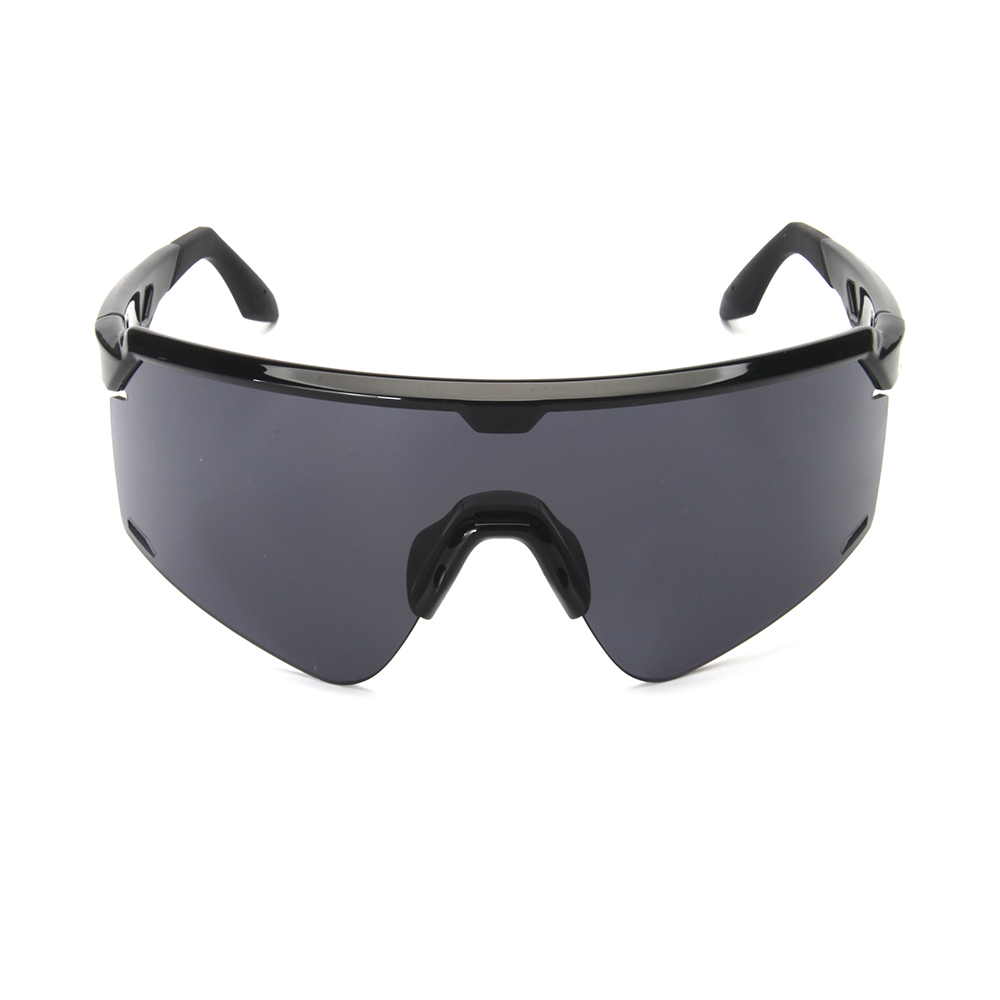
The intersection of eyewear design and helmet compatibility represents a genuine engineering challenge in performance sports. Many athletes discover fit issues only after purchasing, leading to frustration and compromised vision protection. By establishing clear quality control protocols during manufacturing and selection, you can identify and resolve conflicts before they impact athletic performance or athlete safety in the field.
Understanding Frame Width and Helmet Interaction
How Frame Width Affects Helmet Fit
Performance sunglasses designed for running or cycling should provide a comfortable fit without interfering with helmet positioning or creating pressure points. Frames that are too wide or have unsuitable temple geometry may come into contact with helmet padding or retention straps, affecting wearing comfort. There is no universal frame width suitable for all cycling helmets, as compatibility depends on the specific helmet model, interior padding, side structure, facial dimensions, temple length, and strap positioning. When selecting sports sunglasses, evaluate their overall dimensions and fit with the helmet model intended for use.
Temple Pressure Point Assessment
The temple arms of cycling sunglasses should fit comfortably alongside helmet straps without being continuously compressed or forced out of their intended position. Proper compatibility means that the eyewear and helmet can be worn together securely, without creating noticeable pressure points around the temples or ears. Quality control inspections should evaluate temple geometry, material stability, and overall fit during combined wear. Running sunglasses and other performance eyewear should maintain their intended shape and positioning without interfering with helmet straps or compromising the helmet's normal fit and retention.
Bridge Fit and Lens Positioning Alignment
Nasal Bridge Clearance and Comfort
The nasal bridge is an important contact point between sports sunglasses and facial anatomy, and wearing a helmet may influence overall pressure distribution. Quality control protocols should evaluate bridge geometry during both standalone wear and combined helmet-wearing tests to ensure consistent comfort. Sunglasses with adjustable nose pads or suitable bridge designs may offer greater flexibility when accommodating different facial structures and helmet configurations. The goal is to maintain comfortable contact without creating excessive pressure on the nose.
Lens Height and Visual Line Preservation
Performance sunglasses require appropriate lens positioning to provide the visual field and coverage that running and cycling athletes need. When cycling sunglasses are worn with a helmet, the frame should remain stable without interference from the helmet padding or retention straps. Quality control testing should verify that lens positioning remains consistent during combined wear and that the eyewear does not shift or create pressure points. This helps athletes maintain comfortable vision and suitable lens coverage throughout their activities without frequent adjustments.
Material Properties and Helmet Compatibility Testing
Plastic Composition and Durability Under Pressure
Running sunglasses and cycling sunglasses are available in various frame materials, including thermoplastics, acetate, and polycarbonate-based materials. Their suitability for helmet compatibility depends on specific material properties, frame construction, and overall design rather than a general ranking of material types. Quality control inspections should evaluate dimensional stability, flexibility, structural strength, and recovery characteristics to ensure that frames maintain their intended shape during normal use. TR90 is commonly used in lightweight eyewear designs because of its flexibility and lightweight characteristics. The actual durability and impact performance of finished frames depend on material specifications, frame construction, and product-level testing. However, UV protection is determined by the performance of the lenses, not the frame material. Actual helmet compatibility should always be verified through combined wearing tests.
Strap Interface and Material Safety
The interaction between helmet retention straps and eyewear temple arms requires careful evaluation during quality control. Rough surfaces, sharp edges, or unsuitable temple positioning may cause friction, discomfort, or interference with helmet strap placement. Quality control protocols should examine temple surface finishes, edge smoothness, and structural integrity while assessing whether the eyewear can be worn comfortably alongside the helmet. Proper frame design should minimize contact pressure and avoid obstructing the helmet's retention system, helping maintain both wearing comfort and normal helmet functionality.
FAQ
What specific measurements should I verify when testing sports sunglasses with my cycling helmet?
Check the overall frame width, temple length, bridge width, and lens height of the sunglasses, while considering the interior structure and strap positioning of your cycling helmet. Put on the sunglasses first, then wear the helmet and adjust its retention system according to the manufacturer's instructions. Evaluate whether the two products fit together securely without temple compression, noticeable pressure points, lens displacement, or interference with helmet positioning. Repeat the assessment during normal head movements to confirm stable and comfortable combined wear before making a purchase decision.
How do I know if running sunglasses or cycling sunglasses have acceptable frame materials for helmet compatibility?
Check the frame material specifications, structural strength, and dimensional stability when evaluating sports sunglasses for helmet compatibility. Materials such as TR90 may offer useful flexibility and lightweight characteristics, but material selection alone cannot guarantee a suitable fit. Also review the lens specifications separately for UV protection and impact resistance, as these are different performance characteristics that require appropriate verification. Most importantly, test the sunglasses with the intended cycling helmet to confirm that the temple arms remain comfortably positioned without continuous compression or interference with the helmet straps.
Can I modify existing sports sunglasses to fit better with my cycling helmet?
Minor adjustments to nose pads or temple positioning may improve the fit of existing sports sunglasses, depending on the frame design and material. However, forcing temple arms to bend around helmet straps is not an appropriate compatibility solution, as continuous pressure may cause discomfort or affect frame positioning. Professional opticians can assess whether conservative adjustments are suitable without compromising frame integrity. If the sunglasses continue to interfere with helmet straps or create pressure points, choosing a different cycling sunglasses design with better compatibility is recommended. Any adjustment should preserve the helmet's normal fit and retention.



