
 EN
Glare Leaks Around the Edges of Sports Sunglasses: Causes and Corrective Actions
Learn causes of edge glare leaks in sports sunglasses, frame fit, lens wrap and practical fixes to block stray light for outdoor athletic use.
Light entering around the edges of sports sunglasses can affect visual comfort and performance during outdoor activities. When sunlight passes through gaps between the frame and the face rather than through the lenses, it may create unwanted peripheral glare. Effective protection depends on several factors, including lens UV protection, frame fit, lens coverage, and wraparound design. Understanding these factors helps athletes choose suitable sports sunglasses for running, cycling, and other outdoor activities while reducing unwanted light exposure.
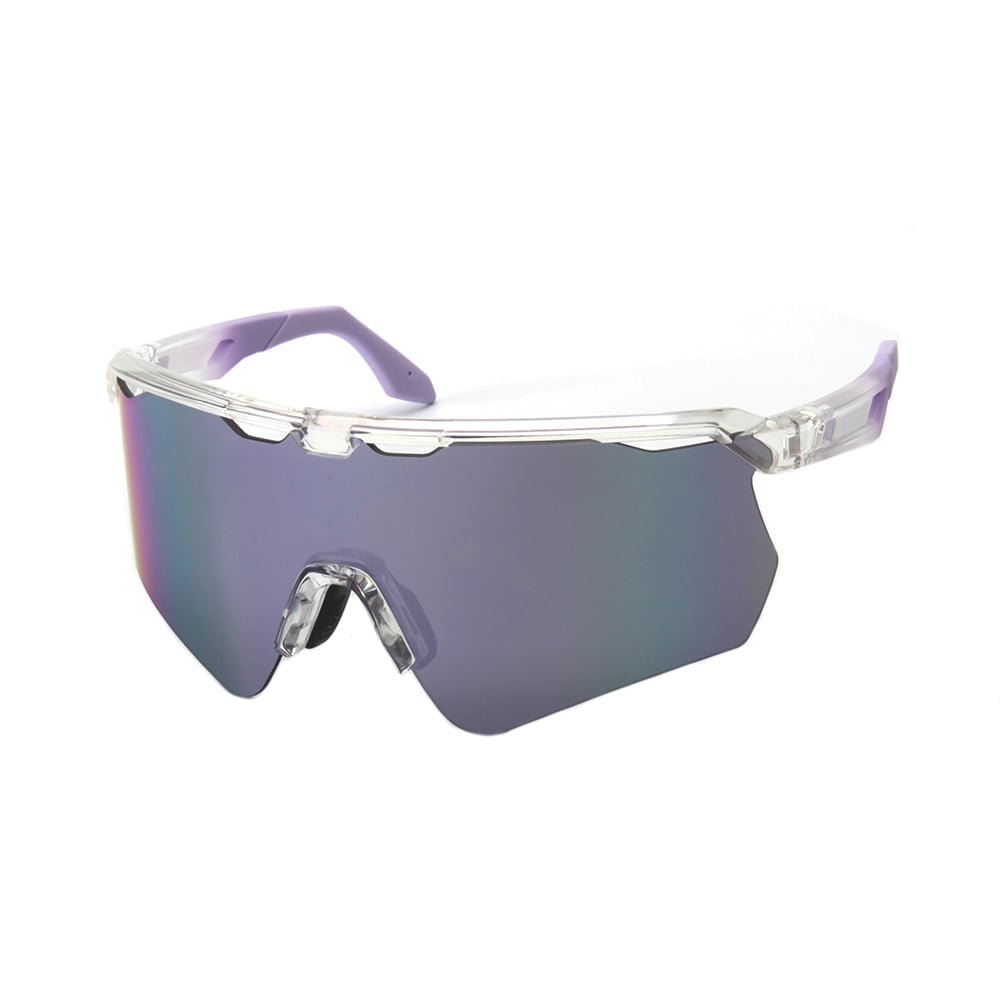
The light-blocking performance of sports sunglasses depends on frame geometry, lens coverage, and how well the frame fits the wearer's face. Even premium eyewear may allow unwanted light to enter through gaps around the temples, nose bridge, or lower frame edges. Identifying whether the problem comes from poor fit, insufficient lens coverage, or inadequate side protection is essential when selecting corrective measures. Both running sunglasses and cycling sunglasses should provide suitable facial coverage while maintaining comfort and stability during outdoor activities.
Understanding Glare Leak Mechanisms in Sports Eyewear
Frame Geometry and Light Infiltration Pathways
Glare leaks occur when light bypasses the lens surface and enters the eye through gaps between the frame and the face. Common entry points include the areas above the lenses, near the temples, and around the lower frame edges. Sports sunglasses with insufficient wraparound coverage may leave these areas more exposed to incoming sunlight. Frame height, lens curvature, nose bridge positioning, and side coverage all influence how effectively eyewear limits peripheral light entry. The actual amount of incoming light depends on frame fit, facial structure, light direction, and surrounding environmental conditions.
Material Properties and Optical Transmission
Lens material and tint affect optical performance, but they do not determine the physical gaps between sports sunglasses and the wearer's face. Sports sunglasses commonly use impact-resistant lens materials such as polycarbonate and Trivex. Lens tint density influences visible light transmission and perceived brightness, but darker lenses do not prevent light from entering through gaps around the frame. Similarly, UV400 protection refers to the lens's ability to block ultraviolet radiation and does not guarantee complete peripheral light coverage. Effective glare control therefore requires both appropriate lens specifications and suitable frame coverage.
Primary Causes of Edge Glare Leakage
Poor Frame Fit and Positioning
Improper frame positioning is a common cause of peripheral light entering sports sunglasses. When frames sit too far from the face or do not match individual facial contours, larger gaps may appear around the temples, nose bridge, and lower frame edges. Running sunglasses should remain stable during movement to maintain consistent facial coverage. Frame shifting during activity can expose additional areas to incoming sunlight. Bridge width, temple length, lens height, and overall frame curvature all contribute to proper fit. Athletes with different facial structures should consider adjustable nose pads, suitable frame sizes, or specialized cycling sunglasses designed for a closer and more stable fit.
Insufficient Lens Wrap and Coverage Design
Lens wraparound coverage plays an important role in reducing peripheral light exposure. Sports sunglasses with greater wraparound coverage can help limit the amount of sunlight entering from the sides. Lens height and frame curvature also influence how much of the surrounding area is shielded from direct sunlight. For cycling sunglasses, extended side coverage and a suitable upper frame design can provide additional protection under changing outdoor light conditions. Rather than relying on a universal wrap angle or lens sweep measurement, manufacturers should evaluate actual facial coverage, fit, and wearing comfort when developing performance eyewear.
Frame Construction and Fit
Frame construction and manufacturing accuracy can influence how effectively sports sunglasses provide peripheral light coverage. Gaps between the lens and frame may affect the overall appearance and structural integrity of the eyewear, while gaps between the frame and the face provide potential pathways for incoming light. These are two different issues that should be evaluated separately. Running sunglasses and cycling sunglasses should maintain stable frame-lens connections and appropriate facial coverage during regular use. Proper assembly, suitable frame materials, and accurate manufacturing tolerances all contribute to product quality and reliable wearing performance.
Practical Corrective Actions and Solutions
Frame Adjustment and Customization Strategies
Professional frame adjustment is a practical way to improve the fit of existing sports sunglasses. Opticians can adjust temples, nose pads, and frame positioning to better match individual facial contours. Running sunglasses with properly adjusted nose pads and temple arms are more likely to maintain stable positioning during movement. Cycling sunglasses can also benefit from adjustments that reduce unwanted shifting during riding. These modifications may help minimize gaps around the frame, although the results depend on the original frame design and individual facial structure. If the frame does not provide sufficient coverage even after adjustment, choosing a more suitable design may be necessary.
Lens Upgrade and Anti-Glare Coatings
Different lens technologies can improve visual comfort, but they should not be considered substitutes for proper frame coverage. Polarized lenses in running sunglasses help filter reflected glare from surfaces such as roads and water, while anti-reflective coatings reduce reflections from lens surfaces. Photochromic lenses adjust their tint according to changing light conditions, helping manage visible light transmission. However, none of these technologies physically closes the gaps between the frame and the face. For athletes experiencing peripheral light exposure, improving frame fit, wraparound coverage, and side protection should remain the primary corrective measures.
Frame Selection and Specialized Equipment
Selecting appropriate sports sunglasses from the outset can help reduce peripheral light exposure. Running sunglasses and cycling sunglasses designed with extended wraparound coverage provide better side protection than many general-purpose eyewear designs. Frames with integrated side shields, suitable lens curvature, and well-designed nose bridges can help limit light entering around the frame. Features such as ventilation channels and anti-slip temple grips also support stable positioning during physical activity. Investing in sports sunglasses designed for specific outdoor activities can improve facial coverage and wearing comfort. Athletes should evaluate frame fit, lens coverage, and UV protection separately when choosing performance eyewear.
FAQ
Why do premium sports sunglasses still leak glare around the edges?
Premium pricing does not always guarantee a frame design that matches every facial structure. Even high-end running sunglasses may allow peripheral light to enter if their curvature, lens coverage, or nose bridge positioning does not suit the wearer. Some designs prioritize lightweight construction and appearance, which may provide less side coverage than specialized sports eyewear. Choosing cycling sunglasses with suitable wraparound coverage, integrated side protection, and a stable fit can help reduce unwanted light exposure during outdoor activities.
Can adjustments to sports sunglasses frames eliminate edge glare completely?
Professional adjustments can help reduce peripheral light exposure by improving how sports sunglasses fit the face. However, they cannot compensate for a frame design that lacks sufficient lens coverage or side protection. Running sunglasses with limited lens height or inadequate wraparound curvature may continue to allow unwanted light entry even after adjustment. Cycling sunglasses with adjustable nose pads and temples may offer greater flexibility for achieving a suitable fit. For better coverage, combine appropriate frame adjustments with a design that provides sufficient wraparound protection and side coverage.
What frame features minimize glare leaks in performance sunglasses?
Extended wraparound coverage, suitable lens height, integrated side shields, and contoured nose bridges can help reduce peripheral light exposure in sports sunglasses. Running sunglasses and cycling sunglasses should provide sufficient side coverage while maintaining a comfortable and stable fit. Adjustable nose pads and anti-slip temple grips can help keep the frames properly positioned during physical activity. When selecting new sports sunglasses, prioritize facial coverage, frame curvature, side protection, and UV protection rather than relying solely on lens tint or appearance.



