
 EN
Ion Plating and Surface Coatings Used on Titanium Glasses: Key Differences and Selection Factors
Compare ion plating vs traditional coatings for titanium glasses. Learn scratch resistance, anti-reflective & hydrophobic benefits for lightweight beta titanium eyewear.
Ion plating is a surface treatment technology used in titanium eyewear manufacturing to create decorative and protective thin films. Depending on the coating material and deposition parameters, it can improve coating adhesion, surface appearance, and wear resistance. Understanding how ion plating works and how it differs from other coating methods helps eyewear buyers evaluate frame quality, color options, and long-term performance. For titanium glasses, the selection of an appropriate surface treatment can influence wear resistance, corrosion protection, and overall product aesthetics.
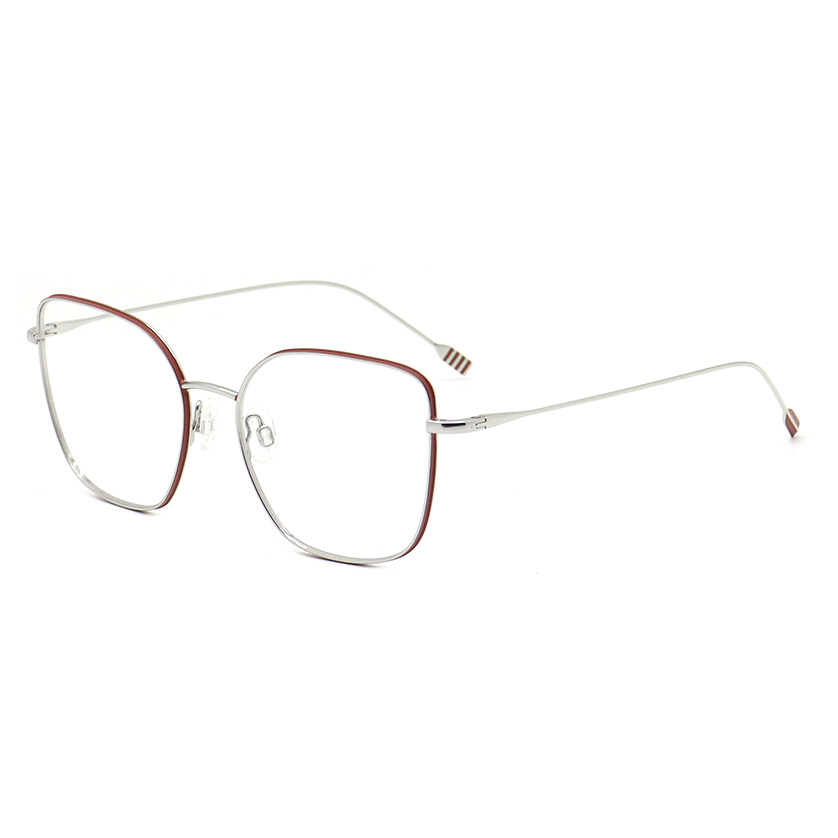
The eyewear industry uses different coating technologies to enhance the appearance and performance of frames and lenses. For titanium frames, ion plating is primarily used to create decorative and protective surface layers that improve color consistency, coating adhesion, and wear resistance. Lens coatings serve different purposes, such as reducing reflections, improving light transmission, and providing water- and oil-repellent properties. This guide explores how ion plating works on titanium frames, compares it with other surface treatment methods, and explains how frame coatings differ from optical lens coatings.
Understanding Ion Plating Technology
What Is Ion Plating and How Does It Work
Ion plating is a physical vapor deposition (PVD) process used to create thin, durable coatings on titanium glasses through ionized particle bombardment. During the process, coating materials are vaporized in a controlled vacuum chamber, and ionized particles are accelerated toward the substrate surface. The energetic bombardment helps improve coating adhesion and film density, contributing to a more uniform and durable surface layer. The final coating performance depends on factors such as substrate preparation, coating material, deposition parameters, and process control.
The ion plating process involves vaporizing coating materials in a vacuum environment and directing ionized particles toward the titanium glasses substrate under controlled electrical bias and energy conditions. Ion bombardment helps improve the density and adhesion of the deposited film, reducing the likelihood of coating defects when the process is properly controlled. For beta titanium glasses and other premium eyewear frames, this technology can support consistent decorative finishes and improved surface durability. Actual performance depends on the coating composition, substrate preparation, and deposition conditions.
Key Advantages of Ion Plating for Eyewear Applications
Ion plating offers several advantages for premium titanium eyewear manufacturing. The ion bombardment process helps improve coating adhesion and film density, supporting a durable surface finish when appropriate materials and deposition parameters are used. Depending on the coating composition and process conditions, ion-plated finishes may provide good wear resistance and color consistency. Actual performance should be verified through appropriate coating adhesion and abrasion tests. For beta titanium glasses, the selected coating system can also enhance the frame's decorative appearance and help maintain its finish during regular use.
Ion-plated finishes may improve the surface durability of titanium frames, depending on the coating composition and deposition process. Their resistance to moisture and other environmental factors should be verified through testing under relevant exposure conditions. However, hydrophobic and oleophobic properties require specific functional coating layers and should not be considered inherent features of every ion-plated finish. The overall performance of lightweight titanium glasses therefore depends on the complete surface treatment system and its intended application.
Surface Coating Technologies and Comparative Performance
Traditional Coating Methods Versus Ion Plating
Common surface treatment methods for titanium glasses include spray coating, dip coating, and physical vapor deposition (PVD). Spray and dip coating apply liquid-based coating materials, while PVD uses vacuum deposition to form thin films on the substrate. Ion plating is one type of PVD technology that uses ionized particles to support film deposition and adhesion. Their adhesion and wear resistance depend on substrate preparation, coating formulation, and process parameters. Rather than assuming a fixed service life for each method, manufacturers should evaluate coating performance through appropriate adhesion, abrasion, and environmental resistance tests.
Ion plating differs from conventional spray and dip coating methods through its vacuum deposition process and the use of ionized particles. Ion bombardment helps improve the adhesion and density of the deposited film, while controlled deposition conditions support consistent coating coverage. However, coating quality is not determined by the deposition method alone. Surface preparation, equipment settings, coating composition, and manufacturing control all influence the final adhesion, thickness uniformity, and durability of titanium frame coatings.
Specific Coating Types and Their Functions
Anti-reflective (AR) coatings are commonly applied to optical lens surfaces to reduce unwanted reflections and improve light transmission. These coatings typically consist of multiple thin-film layers deposited using vacuum coating technologies, which may include ion-assisted deposition. Although ion plating and ion-assisted deposition share certain technical principles, decorative ion plating on titanium frames should not be confused with AR optical coatings on lenses. The two processes serve different purposes and involve different coating structures, materials, and performance requirements.
Different coating technologies serve different purposes in eyewear manufacturing. Hard coatings are applied to lens surfaces to improve scratch resistance, while decorative and protective coatings on titanium frames enhance surface appearance and wear resistance. Hydrophobic and oleophobic layers are generally used as functional topcoats on lenses to repel water and oils, making cleaning easier and reducing smudges. These properties depend on the specific coating materials and layer structure rather than ion plating alone. Manufacturers should distinguish between frame surface treatments and optical lens coating systems when specifying product features.
Selection Factors and Application Recommendations
Choosing the Right Coating for Your Needs
Selecting appropriate coatings for titanium glasses depends on the intended application, wearing environment, and performance requirements. For titanium frames, ion plating is a suitable option when buyers prioritize decorative finishes, color consistency, and surface wear resistance. For optical lenses, anti-reflective coatings help reduce reflections, while scratch-resistant hard coatings improve resistance to everyday abrasion. Hydrophobic and oleophobic topcoats can also make lens cleaning easier. For beta titanium glasses, manufacturers should select frame surface treatments and lens coating systems separately according to the specific product requirements.
Cost considerations also influence coating selection. Ion plating may involve higher manufacturing costs than some traditional coating methods, depending on equipment, materials, and production requirements. Its suitability should be evaluated according to the required appearance, coating adhesion, wear resistance, and target product positioning. For lightweight titanium glasses, buyers should compare available surface treatment options based on actual performance requirements and verified product specifications.
Durability Expectations and Maintenance Guidance
The durability of ion-plated coatings on titanium glasses depends on coating composition, film thickness, substrate preparation, deposition quality, and everyday use conditions. Although ion plating can improve film adhesion and density, the actual service life cannot be determined by the coating method alone. Proper maintenance is also important for preserving the frame finish. Using a soft microfiber cloth and mild cleaning solutions can help reduce surface abrasion and maintain the appearance of coated titanium frames over time.
Avoiding harsh chemicals, abrasive materials, and extreme temperatures helps preserve the surface finish of ion-plated titanium glasses. Regular cleaning with a soft microfiber cloth and mild cleaning solutions can reduce surface wear and maintain the frame's appearance. For beta titanium glasses, proper care helps protect the coating and maintain its decorative finish and surface durability during everyday use.
FAQ
How does ion plating compare with traditional coating methods for titanium glasses?
Ion plating is a PVD surface treatment that uses ionized particles to deposit thin films onto titanium frame surfaces. The ion bombardment process helps improve coating adhesion and film density, contributing to a durable and consistent finish. Depending on the coating material and process conditions, ion-plated frames can offer improved wear resistance, color stability, and surface protection. However, optical functions such as anti-reflection and water repellency require separate functional coating systems and should not be attributed to ion plating alone.
How do lightweight titanium glasses benefit from ion plating technology?
Lightweight titanium glasses can benefit from ion plating through improved frame surface durability and coating adhesion. This is particularly relevant for frames that require consistent color finishes and resistance to everyday wear. The actual performance depends on the coating composition, film thickness, and manufacturing quality. Properly selected and applied coatings can help maintain the appearance and surface protection of lightweight titanium frames during regular use.
Are beta titanium glasses worth the additional cost of ion plating?
Ion plating can be a suitable surface treatment option for beta titanium glasses, particularly when consistent color finishes, coating adhesion, and wear resistance are important. Its value depends on the selected coating materials, manufacturing quality, and intended product positioning. Buyers should evaluate the frame's surface finish and durability requirements rather than assuming that ion plating automatically provides optical or hydrophobic functions. The final coating specification should match the actual requirements of the eyewear product.



