
 EN
Lens and Tint Options for Private Label Sunglasses Collections: A Technical Guide for Eyewear Buyers
Compare glass vs. polycarbonate, polarized benefits, tint performance, and UV400 coatings—backed by OEM manufacturing insights.
Selecting the right lens and tint options for Private Label Sunglasses collections requires a deep understanding of material science, optical performance, and market demand. Eyewear buyers face critical decisions when sourcing custom brand sunglasses that balance aesthetic appeal with functional protection. The lens choice directly impacts UV protection, visual clarity, durability, and ultimately customer satisfaction and brand reputation.
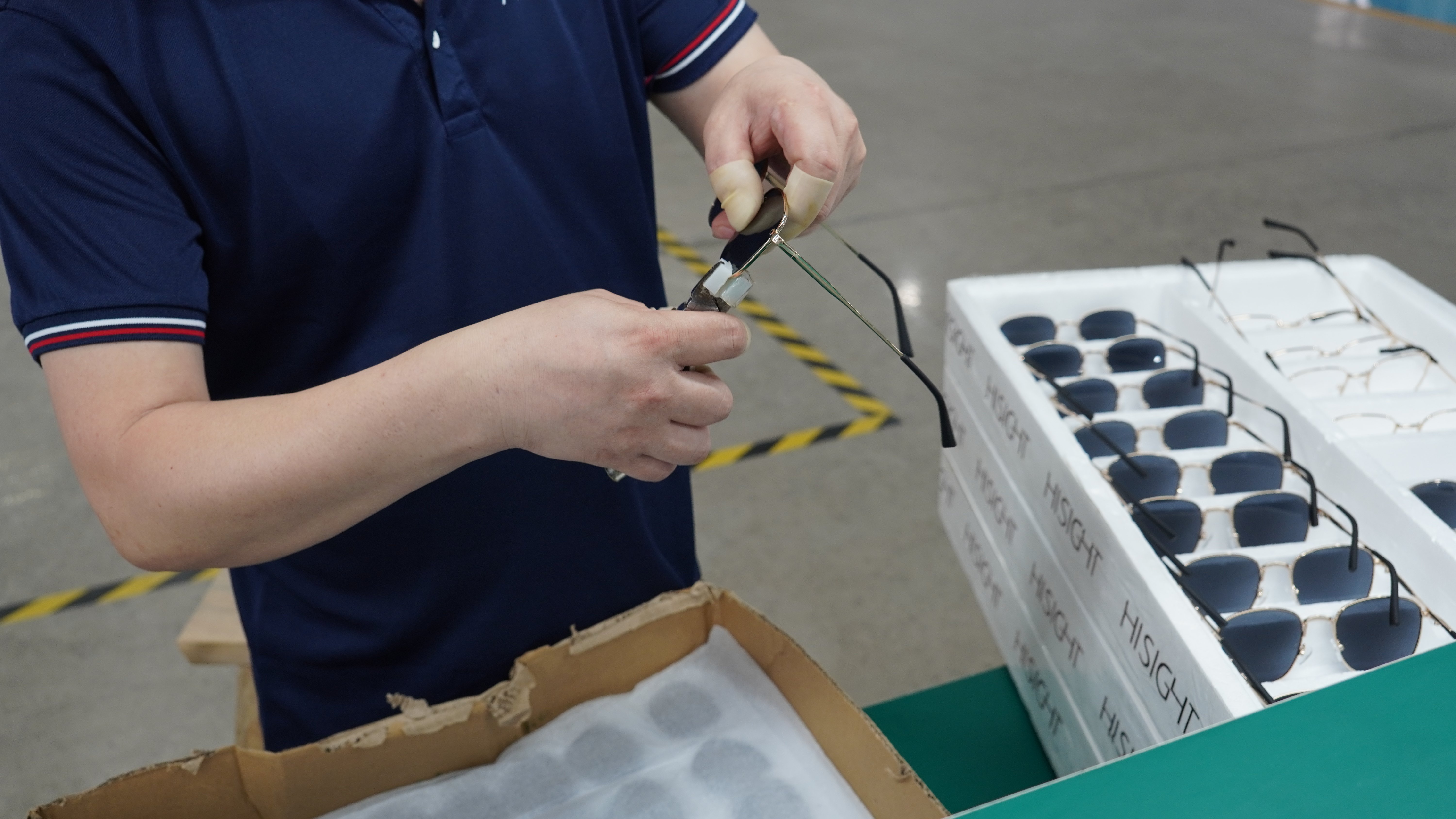
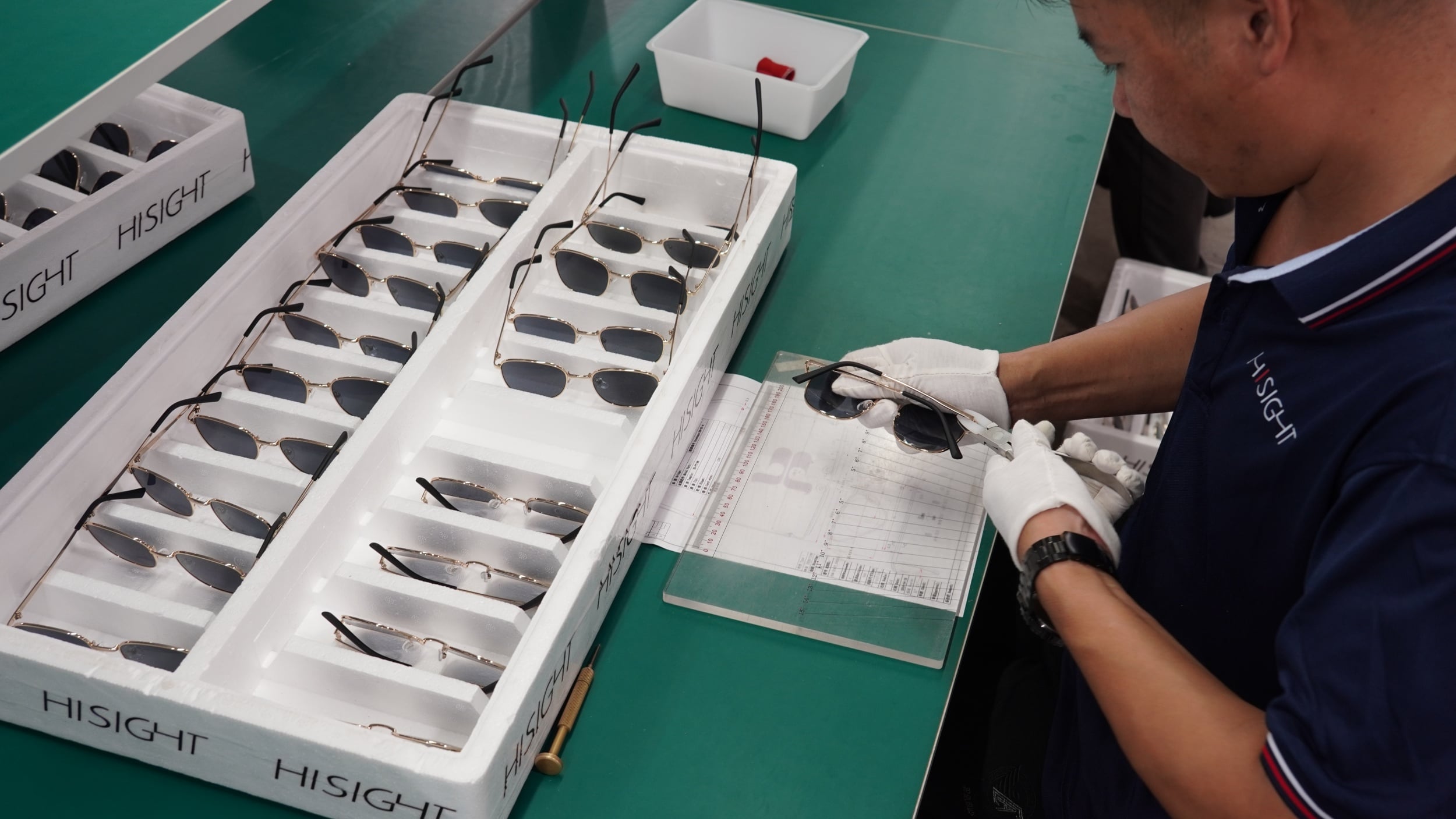
Private label sunglasses manufacturers and OEM sunglasses manufacturing partners provide extensive customization capabilities that extend far beyond frame design. The lens technology, coating systems, and tint variations available through professional eyewear suppliers enable brands to create distinctive collections that serve specific consumer segments and environmental conditions. Understanding these technical options empowers buyers to make informed purchasing decisions that align with their brand positioning and market strategy.
Understanding Lens Material Technologies
Glass and Optical Resin Comparison
Glass lenses offer superior optical clarity and scratch resistance, making them a premium choice for custom brand sunglasses collections targeting discerning consumers. However, glass carries significant weight considerations and fragility concerns that affect both shipping costs and customer safety. Modern optical resin alternatives have closed much of the performance gap, delivering lighter weight products without sacrificing UV protection or visual acuity in most applications.
OEM sunglasses manufacturing facilities typically recommend polycarbonate and trivex materials as optimal cost-to-performance solutions for private label sunglasses production. Polycarbonate lenses feature inherent UV filtering properties, higher impact resistance, and 50 percent lighter weight compared to glass equivalents. Trivex materials offer similar safety benefits with slightly superior optical quality, though they represent a higher material cost that directly influences wholesale pricing structures.
Polarized Lens Technology Benefits
Polarized lenses have become essential specifications for private label sunglasses serving outdoor enthusiasts, water sports participants, and driving-focused consumers. The polarized coating reduces glare reflection from water surfaces, snow, and road surfaces by filtering horizontal light waves before reaching the wearer's eyes. This technology significantly improves visual comfort during extended outdoor activities and commands premium price positioning in the custom brand sunglasses market.
Implementing polarized technology requires additional manufacturing steps during OEM sunglasses manufacturing processes, including precise coating application and quality verification testing. The investment in polarized capabilities distinguishes premium private label collections from basic offerings, delivering measurable performance advantages that justify higher retail pricing. Buyers considering polarized options should verify manufacturing partner capabilities, coating durability standards, and warranty commitments before committing to bulk production orders.
Tint Variations and Performance Specifications
Color Tint Selection for Market Segments
Tint color selection represents a critical marketing and functional decision for private label sunglasses collections, directly influencing both aesthetic appeal and visual performance characteristics. Gray tints deliver neutral color perception and optimal contrast, making them ideal for general-purpose sunglasses applications across diverse consumer preferences. Brown and amber tints enhance depth perception and contrast in variable lighting conditions, serving consumers engaged in sports, driving, or outdoor work environments where visual clarity matters.
Rose and orange tints appeal to fashion-forward segments and outdoor athletes, providing enhanced visual perception in specific light conditions while creating distinctive brand aesthetics. Custom brand sunglasses manufacturers offer tint density variations ranging from light sun protection to extremely dark options for high-altitude and tropical environments. Understanding your target market's geographic location, primary use cases, and aesthetic preferences ensures tint selections that resonate with intended consumers and drive conversion rates.
Light Transmission and UV Protection Standards
Light transmission percentages directly affect both visual comfort and safety characteristics of private label sunglasses, with industry standards requiring careful documentation and certification. Category 0 through Category 4 classifications define transmission levels, with Category 0 providing minimal sun protection for twilight conditions and Category 4 delivering maximum protection for alpine and water-based activities. OEM sunglasses manufacturing partners must provide transparent documentation confirming UV400 protection standards and light transmission compliance with relevant international regulations.
Buyers should request third-party testing certifications confirming compliance with standards such as ISO 12312-1 or equivalent regional requirements before finalizing custom brand sunglasses production specifications. Misleading UV protection claims create significant legal liability and brand damage, making verification of technical specifications a non-negotiable purchasing requirement. Reputable OEM manufacturers maintain testing documentation and provide transparent material safety data that builds confidence in product quality and regulatory compliance across all private label collections.
Advanced Coating Systems and Durability Enhancements
Anti-Reflective and Mirror Coatings
Advanced coating technologies transform private label sunglasses performance and aesthetic appeal, with anti-reflective coatings reducing internal light reflection and improving visual clarity. Mirror coatings provide distinctive styling while reflecting incoming light and reducing light transmission to the eyes, creating both fashion appeal and functional sun protection benefits. These specialized coatings significantly enhance perceived value in custom brand sunglasses collections, justifying premium pricing while delivering genuine performance improvements.
OEM sunglasses manufacturing processes for mirror-coated lenses require precision application techniques and quality control measures to ensure consistent finish and durability. Flash coating applications provide lightweight mirror effects suitable for fashion-focused collections, while multi-layer coatings deliver maximum durability for demanding applications. Buyers should verify coating durability under normal use conditions, including resistance to scratching, humidity exposure, and temperature fluctuations that affect long-term customer satisfaction.
Scratch Resistance and Hydrophobic Treatments
Hard coatings applied during private label sunglasses manufacturing significantly improve scratch resistance, extending product lifespan and reducing customer dissatisfaction and returns. Hydrophobic surface treatments repel water and oil, reducing smudging and improving optical clarity during outdoor activities involving moisture exposure. These protective treatments represent relatively modest cost additions to OEM sunglasses manufacturing processes while delivering measurable improvements in perceived product quality and customer reviews.
Implementing multi-layer protection systems demonstrates commitment to durability in custom brand sunglasses collections, building customer loyalty and positive word-of-mouth marketing. Testing these coatings under realistic conditions including sand exposure, salt water contact, and prolonged UV radiation ensures durability claims withstand customer experience. Investment in superior coating systems separates premium private label brands from commodity competitors while supporting premium retail positioning and margin sustainability.
FAQ
What optical properties should I prioritize when selecting lenses for custom brand sunglasses?
UV400 protection, optical clarity, and impact resistance represent the fundamental specifications for any custom brand sunglasses collection. Beyond baseline safety standards, consider your target market's primary use case—whether general fashion, sports performance, or specialized outdoor applications. Polarization, lens material selection, and coating systems should align with specific performance requirements and price positioning within your market segment. Consulting with experienced OEM sunglasses manufacturing partners helps identify the optimal combination of features that deliver customer value while maintaining production efficiency and profitability.
How do polarized lenses compare to standard UV-protective lenses in private label sunglasses?
Polarized lenses provide superior glare reduction compared to standard UV-protective options, particularly in reflective environments like water, snow, and road surfaces. Both technologies deliver essential UV protection, but polarized lenses offer measurable comfort improvements and justify premium pricing in private label sunglasses collections. Standard UV lenses serve cost-conscious consumers and general-purpose applications, while polarized options attract premium-focused buyers willing to invest in superior optical performance. Most OEM sunglasses manufacturing facilities offer both options, allowing buyers to develop tiered product lines serving different market segments and price points.
What testing and certification should I require from OEM manufacturers for lens quality?
Reputable OEM sunglasses manufacturing partners provide third-party testing documentation confirming UV400 compliance, light transmission category classification, and material safety standards. ISO 12312-1 certification or equivalent regional standards provide objective verification that lenses meet regulatory requirements and safety specifications. Impact resistance testing, coating durability assessments, and optical clarity measurements ensure private label sunglasses deliver consistent quality across production batches. Before committing to large production runs, request sample testing results and long-term wear documentation that validate quality claims and protect your brand reputation.



