
 EN
Why Titanium Eyewear Is Used for Sensitive-Skin Products: A Technical Guide for Eyewear Buyers
Discover hypoallergenic titanium glasses benefits for sensitive skin. Learn lightweight, corrosion-resistant pure & beta titanium frames to avoid metal skin allergies.
Titanium glasses are a popular choice for individuals with sensitive skin and those seeking comfortable, durable eyewear. Compared with many conventional metal frames, titanium offers a favorable combination of biocompatibility, corrosion resistance, and design flexibility. Its naturally stable surface properties make it a suitable option for people who are sensitive to certain metals commonly used in eyewear. However, individual reactions can vary depending on the alloy composition and other frame components. This technical guide explores the material properties of titanium glasses and their potential benefits for sensitive-skin applications.
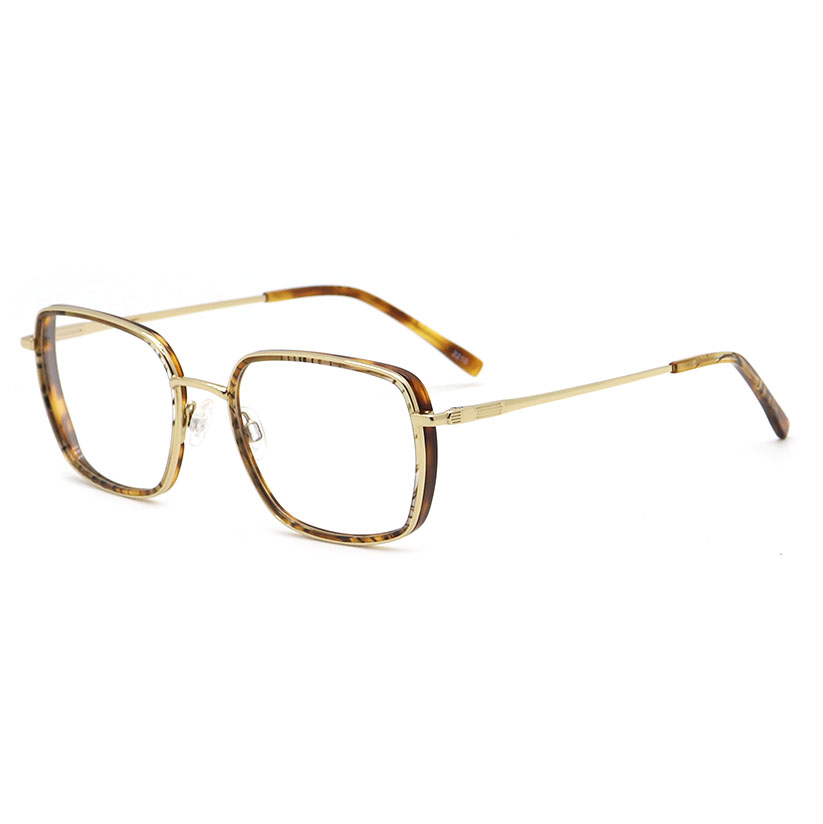
The science behind titanium eyewear effectiveness lies in its elemental properties and how its surface interacts with the surrounding environment. Titanium naturally forms a thin, stable oxide film when exposed to air, creating a protective passive layer that contributes to its excellent corrosion resistance in the presence of moisture, body oils, and sweat. This surface stability helps limit direct exposure of the underlying metal and reduces the potential for metal ion release under normal wearing conditions. Titanium is generally recognized for its good biocompatibility, making it a suitable material for many individuals with metal sensitivities. However, it cannot guarantee the complete absence of allergic reactions, as individual responses may vary depending on alloy composition and other materials used in the frame.
Material Properties and Skin Compatibility
Hypoallergenic Advantages of Titanium
The hypoallergenic properties of titanium glasses are closely related to titanium's excellent biocompatibility and stable surface characteristics. Beta titanium is a category of titanium alloys with compositions that vary according to the specific alloy grade and manufacturing requirements. Different grades may contain different alloying elements, so molybdenum, vanadium, and chromium should not be assumed to be present in every beta titanium material. Compared with commercially pure titanium, certain beta titanium alloys offer enhanced flexibility and mechanical properties, making them suitable for lightweight eyewear designs. For eyewear buyers with sensitive skin, checking the specific alloy grade and material specifications is important when evaluating frame suitability.
Lightweight titanium glasses can help reduce contact pressure on facial skin, which is an important consideration for individuals prone to irritation. The nose bridge and areas behind the ears are particularly sensitive to prolonged pressure from eyewear. Titanium has a relatively low density compared with many commonly used metals, such as stainless steel, making it suitable for lightweight eyewear designs. However, the actual weight of a finished frame depends on its overall structure, material thickness, frame dimensions, and component selection. Therefore, weight comparisons between titanium, steel, and aluminum frames should be based on comparable designs and actual finished product measurements rather than generalized percentage estimates.
Corrosion Resistance and Long-Term Durability
The corrosion resistance of titanium glasses comes from a stable passive oxide layer that naturally forms on the metal surface, helping protect the underlying material from environmental degradation. Compared with many conventional metals, titanium offers excellent resistance to moisture, sweat, and other common environmental factors. This protective layer helps maintain the material's surface stability and reduces the likelihood of corrosion-related deterioration during normal use. Titanium glasses are therefore a suitable choice for individuals seeking durable eyewear with good corrosion resistance. However, actual performance depends on the titanium grade, surface treatment, and wearing conditions. Eyewear buyers can benefit from these properties when selecting frames for long-term everyday use.
Titanium glasses generally offer good resistance to moisture, sweat, and many environmental conditions. However, exposure to chlorine, salt water, and cleaning chemicals may affect surface finishes depending on the material grade and treatment. Proper cleaning and maintenance remain important for preserving frame appearance and structural condition over time.
Performance Benefits for Sensitive-Skin Wearers
Reduced Skin Reaction and Inflammation
Titanium glasses may help reduce the risk of contact dermatitis associated with certain allergenic metals, particularly nickel, which is commonly found in some conventional metal frames. For individuals with known nickel sensitivities, selecting frames made from appropriately specified titanium materials may be a useful consideration. Beta titanium alloys also offer flexibility that can contribute to improved frame fit and wearing comfort. However, skin irritation can result from various factors, including material composition, frame pressure, surface finishes, and other components. Eyewear buyers with documented metal allergies should review material specifications carefully and consider professional advice when selecting suitable frames.
The surface treatment and component selection of titanium glasses are also important considerations for individuals with sensitive skin. Some conventional frames use paint finishes, nickel plating, or adhesive materials that may cause reactions in susceptible individuals. Titanium frames may feature anodized surface finishes, which are produced through a controlled electrochemical process that modifies the natural oxide layer on the metal surface. Buyers should also check the materials used in hinges, screws, nose pad supports, and other metal components, as these parts may contain different alloys from the main frame.
Extended Wear Comfort and Long-Term Fit
Comfort during extended wear is an important consideration for individuals with sensitive skin who may need to wear eyewear for eight to twelve hours daily. Lightweight titanium glasses can help reduce the pressure exerted on the nose bridge and temples, potentially improving comfort during prolonged use. The overall wearing experience also depends on frame balance, bridge design, temple fit, and the distribution of weight across contact points. For this reason, manufacturers should consider both material selection and ergonomic frame design when developing titanium eyewear for everyday use.
Certain beta titanium alloys offer flexibility and elastic recovery, which can support lightweight eyewear designs. Actual spring-back performance depends on alloy grade, frame geometry, and manufacturing processes. Proper adjustment and fit are also important for maintaining comfort and reducing friction around the nose bridge and temples.
Selection Criteria and Application Scenarios
When to Choose Titanium Over Alternative Materials
Titanium glasses may be worth considering for individuals seeking lightweight eyewear with good corrosion resistance and biocompatibility. People with known nickel allergies or a history of contact dermatitis should review the specific alloy composition, surface treatment, and other frame components before choosing a product. For humid or coastal environments, the suitability of titanium frames depends on material grade, surface finish, and maintenance. Beta titanium alloys may also offer flexibility for active eyewear designs, although impact protection must be evaluated through appropriate product-level testing.
Titanium and certain beta titanium alloys may be suitable for lightweight eyewear designed for active lifestyles. However, mechanical properties vary by alloy grade and frame design. Impact resistance and protective performance should be verified through product-level testing rather than inferred from material properties alone.
Cost-Benefit Analysis for Sensitive-Skin Wearers
Although titanium glasses may have a higher initial purchase price than some conventional metal or plastic frames, their corrosion resistance and mechanical properties can contribute to long-term product value. The actual service life of titanium eyewear depends on factors such as material grade, frame construction, hinge quality, surface treatment, frequency of use, and maintenance practices. Rather than assuming a fixed lifespan, eyewear buyers should evaluate the overall build quality and durability of individual products. For individuals with known metal sensitivities, the potential reduction in exposure to certain allergenic materials may also be an important consideration when comparing eyewear options.
Choosing suitable eyewear materials can reassure people with sensitive skin. Titanium glasses offer good biocompatibility and corrosion resistance, but buyers with known allergies should check alloy and component specifications.
FAQ
Are titanium glasses safe for all skin types?
How do lightweight titanium glasses compare to heavier frame materials in terms of skin comfort?
Lightweight titanium glasses can improve wearing comfort by reducing the overall load placed on the nose bridge and temples. However, the actual weight difference between titanium and other frame materials depends on the specific frame design, dimensions, material thickness, and component selection. A well-designed titanium frame may offer a lightweight wearing experience, but comfort also depends on proper fitting, frame balance, and pressure distribution. For individuals with sensitive skin, selecting a lightweight frame with suitable contact points and an appropriate fit may help reduce discomfort during extended wear.



