
 EN
Color Stability Control in TR90 Eyewear Production: Practical Quality Control Steps
Struggling with TR90 frame fading? Discover 7 actionable, ISO-aligned quality control steps to prevent UV/heat/humidity damage & protect brand reputation. Implement today.
Color stability is one of the most critical quality benchmarks in TR90 eyewear production. As manufacturers push for higher volumes and faster turnaround times, maintaining consistent frame coloration becomes increasingly difficult. The thermoplastic polyurethane material that defines TR90 frames offers exceptional flexibility and comfort, but it also presents unique challenges when exposed to UV light, heat, humidity, and chemical processes. Understanding these vulnerabilities and implementing robust quality control protocols ensures that your flexible glasses products meet customer expectations and protect your brand reputation in a competitive market.
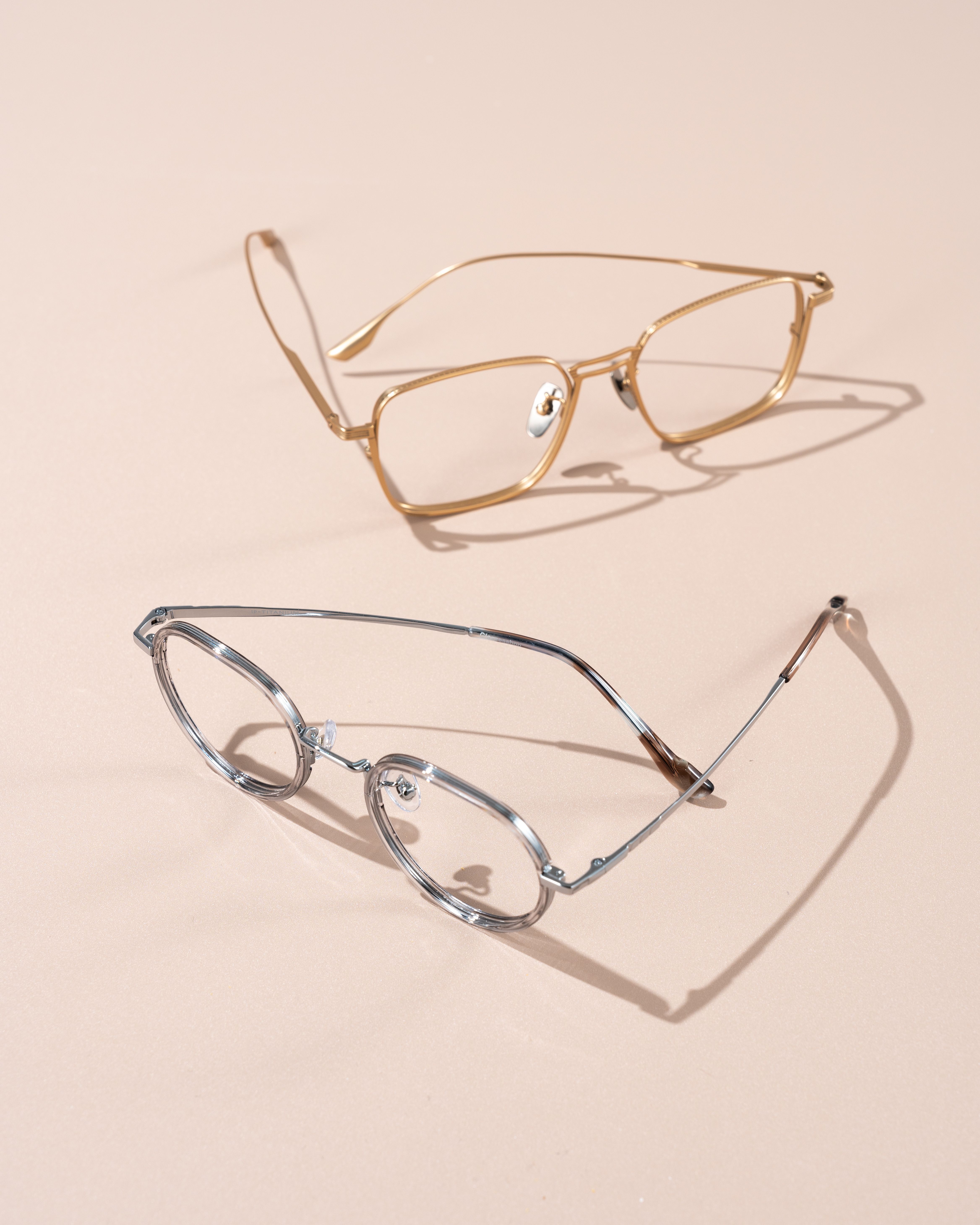
Color degradation in TR90 frames occurs through multiple pathways, and each requires different preventive measures. UV exposure causes photochemical reactions that break down pigment molecules, while heat accelerates polymer chain scission, and moisture infiltration can trigger hydrolysis of the material itself. This article outlines practical, actionable quality control steps that production managers, quality engineers, and eyewear manufacturers can deploy immediately to protect tr90 frames from premature color fading and maintain visual appeal throughout the product lifecycle.
Understanding Color Instability Mechanisms in Memory Plastic Eyewear
UV Light Degradation Pathways
Ultraviolet radiation represents the primary threat to color stability in flexible glasses. UV light penetrates the polymer matrix and excites pigment molecules, causing them to lose their original hue through photodegradation. The severity depends on pigment chemistry, resin formulation, and environmental exposure conditions. For outdoor eyewear, this risk is amplified because frames are exposed to direct sunlight during use, not just storage. Implementing UV-stabilizing additives in the resin formulation and selecting UV-resistant pigments from qualified suppliers form the foundation of effective color protection in tr90 frames.
Thermal and Humidity Effects
Heat accelerates molecular movement within memory plastic eyewear, making it a secondary but significant degradation factor. Elevated temperatures during injection molding, post-processing, and storage can cause pigment bleeding, color shifting, or uneven distribution across the frame surface. Humidity exposure introduces moisture into the material, triggering hydrolysis reactions that weaken polymer chains and alter pigment perception. Quality control protocols must monitor both temperature and humidity throughout the production cycle and during storage conditions. Maintaining strict environmental controls in warehouses and shipping containers prevents cumulative color damage that becomes visible only weeks after manufacture.
Practical Quality Control Steps for TR90 Frames Production
Raw Material Inspection and Supplier Qualification
Color stability begins before production starts. Incoming resin pellets and pigment batches must be tested for UV resistance, thermal stability, and moisture content. Establish supplier agreements that require certificates of analysis documenting UV absorption properties and pigment composition. Testing protocols should include accelerated weathering tests following ASTM or ISO standards, where samples are exposed to simulated sunlight and heat over defined periods. Only pigments and resins that pass these stringent requirements should enter the production line. This preventive approach eliminates the risk of discovering color instability issues after thousands of flexible glasses units have been manufactured.
Process Temperature and Cooling Control
Injection molding temperatures directly influence color integrity in TR90 eyewear production. Excessive mold temperatures cause pigment degradation and accelerated yellowing, particularly in lighter shades. Implement precise temperature monitoring at the barrel, nozzle, and mold cavity using calibrated thermocouples. Document temperature profiles for each color variant and maintain them within a narrow tolerance band. Additionally, controlled cooling rates prevent thermal stress that can cause pigment separation or uneven color distribution. Many production facilities underestimate this factor, but controlled cooling is equally important as heating for maintaining visual consistency in tr90 frames across entire production batches.
Humidity and Storage Environment Management
Post-production storage conditions significantly impact long-term color stability. Memory plastic eyewear absorbs moisture from humid environments, which can initiate chemical reactions that alter pigmentation over months. Establish dedicated storage areas with climate control maintaining humidity between 40–60% and temperatures below 25°C. Use desiccant packets in packaging and seal finished flexible glasses in moisture-barrier containers. For international shipments, specify climate-controlled shipping containers and avoid prolonged exposure to outdoor conditions during logistics. Regular monitoring of storage humidity levels using data loggers provides objective evidence that color-preservation protocols are being followed consistently.
Advanced Testing and Documentation Procedures
Accelerated Color Stability Testing
Before releasing production batches, implement accelerated color stability testing protocols. ASTM G154 and ISO 12040 standards define procedures for exposing samples to UV-A lamps, heat chambers, and humidity chambers in controlled sequences that simulate months or years of real-world exposure. Color change is measured quantitatively using spectrophotometers, comparing samples to baseline standards using the Delta E color difference method. Set acceptable thresholds such as Delta E less than 2 units, which represents color change imperceptible to the human eye. Conduct these tests on at least 10% of each production batch and retain test records for traceability and trend analysis.
Periodic Batch Testing and Long-Term Monitoring
Implement a sampling schedule where finished TR90 eyewear units are subjected to accelerated aging conditions monthly or quarterly. Store control samples in normal conditions and compare their color to aged samples to identify degradation trends early. If color stability performance declines below acceptable thresholds, investigate root causes immediately by reviewing resin batch numbers, supplier pigment certifications, production temperatures, and storage conditions during the relevant period. This proactive approach prevents entire production runs from reaching customers with unacceptable color shifts. Documentation of these results also provides valuable data for continuous improvement and supports quality certifications required by major eyewear retailers.
Colorimeter and Spectrophotometer Calibration
Measurement accuracy depends entirely on equipment calibration. Establish a calibration schedule for colorimeters and spectrophotometers, typically every six to twelve months or after significant usage periods. Use certified reference standards traceable to national standards organizations. Drift in measurement instruments can lead to false pass or fail decisions, either releasing defective flexible glasses or rejecting acceptable goods. Train quality control personnel on proper measurement technique, including sample positioning, lighting geometry, and data interpretation. Poorly maintained or improperly calibrated instruments undermine all other quality control efforts and should never be tolerated in professional eyewear manufacturing facilities.
FAQ
Why is color stability more critical for outdoor TR90 eyewear than for regular frames?
Outdoor eyewear, especially sunglasses made from memory plastic eyewear materials, faces continuous UV exposure during use and storage, accelerating photochemical degradation. Indoor frames experience controlled conditions and less cumulative light exposure, making color stability easier to maintain. Additionally, customer expectations for color consistency are higher for premium outdoor eyewear because users closely observe the frame appearance in bright daylight. Any visible fading or color shift becomes immediately obvious and damages perceived quality, making rigorous color control essential for this product category.
Can color stability issues in TR90 frames be reversed or corrected after manufacturing?
Unfortunately, photochemical color degradation in tr90 frames is essentially irreversible once it occurs at the molecular level. Pigment molecules that have been broken down cannot be reconstituted through post-manufacturing treatments. This reality underscores the critical importance of preventive quality control measures implemented before and during production rather than attempting corrective measures afterward. The most cost-effective strategy is preventing color instability through proper material selection, process control, and storage management rather than dealing with customer returns and reputation damage from prematurely faded flexible glasses.
What environmental factors matter most for storing finished TR90 eyewear inventory?
Humidity control is the single most impactful environmental factor for long-term color preservation in flexible glasses storage. High humidity promotes moisture absorption into the polymer matrix, triggering hydrolysis and pigment degradation. Temperature should be kept moderate and stable, ideally below 25°C, to minimize thermal stress and pigment volatilization. UV exposure during storage must be prevented through opaque packaging or darkened storage areas. Light exposure, even indoor fluorescent or LED light, can gradually degrade colors over extended storage periods. A combined approach addressing humidity, temperature, light, and packaging creates an optimal preservation environment that protects inventory value and ensures customers receive color-consistent products.



