
 EN
Why Titanium Eyewear Resists Corrosion in Humid Climates: Manufacturing Considerations for OEM/ODM Projects
Essential manufacturing insights for OEM/ODM projects in tropical/coastal markets—get the specs now.
Humidity poses a significant challenge to eyewear durability, particularly in tropical, coastal, and high-moisture environments where metal frames face constant exposure to moisture, salt air, and environmental contaminants. Titanium eyewear stands out as one of the most effective solutions for combating corrosion in these demanding climates, offering superior resistance compared to conventional metal frames made from stainless steel or aluminum alloys. Understanding the material science behind this resistance is essential for OEM and ODM manufacturers selecting appropriate frame materials for markets where humidity levels remain consistently high throughout the year.
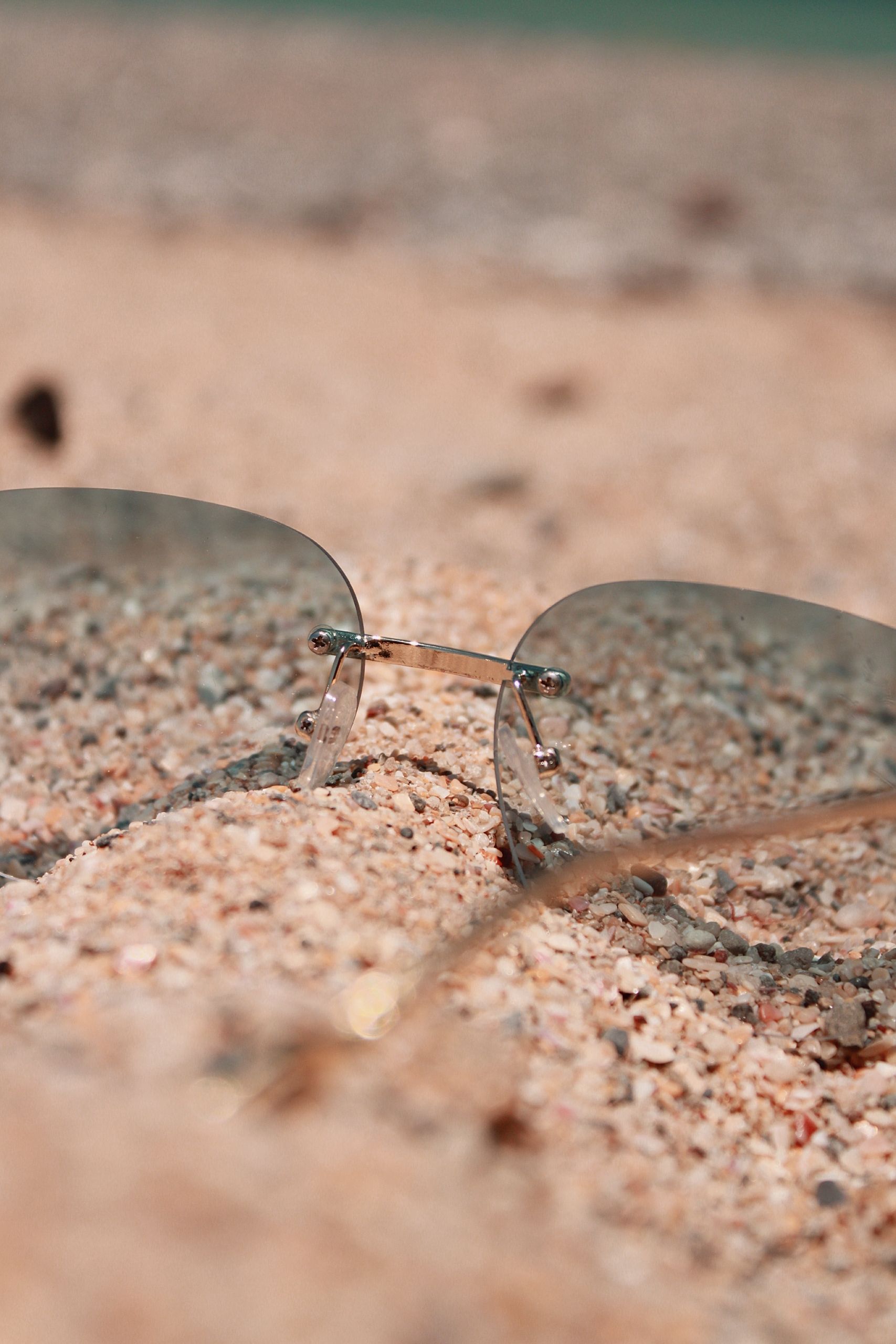
The exceptional performance of titanium frames in humid conditions stems from the material's natural oxide layer formation and inherent resistance to electrochemical corrosion. When manufacturers produce titanium frames, whether using pure titanium eyewear or beta titanium alloys, they leverage material properties that have been trusted in aerospace and marine engineering for decades. For OEM and ODM projects targeting regions with persistent humidity challenges, titanium frames represent a strategic investment that reduces warranty claims, improves customer satisfaction, and strengthens brand reputation in moisture-prone markets.
Understanding Titanium's Corrosion Resistance Mechanism
The Protective Oxide Layer Formation
Titanium naturally forms a dense, self-healing oxide layer on its surface when exposed to air and moisture. This passive oxide film, typically only a few nanometers thick, acts as a protective barrier that prevents moisture and oxygen from reaching the underlying metal substrate. Unlike stainless steel, which requires chromium content to create this oxide film, pure titanium eyewear and beta titanium compositions inherently possess this self-protective quality. When the oxide layer experiences minor damage from handling, environmental abrasion, or salt exposure, the material immediately regenerates the protective coating through oxidation, making titanium frames virtually self-healing in humid environments.
The spontaneous nature of this oxide formation means that manufacturers do not need to apply additional coatings or surface treatments to achieve corrosion protection in most humid climates. This simplifies the manufacturing process for titanium eyewear, reduces production costs compared to alternative materials requiring protective plating, and ensures consistent performance across different manufacturing batches. For OEM and ODM producers, this inherent property reduces quality control complexity and minimizes the risk of coating failures that commonly occur with electroplated or anodized alternatives.
Electrochemical Stability in High-Moisture Environments
Corrosion occurs through electrochemical processes in which moisture acts as an electrolyte, facilitating electron transfer between different metal phases and impurities. Titanium frames resist this electrochemical attack due to the material's high electrochemical potential and minimal susceptibility to galvanic corrosion. Beta titanium alloys, engineered specifically to enhance mechanical properties while maintaining corrosion resistance, distribute alloying elements such as molybdenum and vanadium in patterns that minimize galvanic couples responsible for localized corrosion. Pure titanium eyewear exhibits even greater electrochemical stability because it lacks secondary phases and alloying elements that could create microscopic galvanic cells within the frame structure.
In salt-laden humid environments such as coastal regions, this electrochemical resistance prevents the pitting corrosion and crevice corrosion that frequently compromise aluminum or iron-based frames. The critical pitting temperature of titanium exceeds 80 degrees Celsius in most chloride environments, meaning that even tropical humidity conditions with warmer temperatures do not trigger the aggressive localized corrosion modes that destroy inferior materials. For manufacturers serving coastal OEM and ODM projects, this characteristic ensures frame performance remains consistent across seasonal temperature variations and salt spray exposure.
Material Selection: Pure Titanium Versus Beta Titanium
Properties of Pure Titanium Eyewear
Pure titanium eyewear typically meets ASTM Grade 1, 2, or 5 specifications, with Grade 1 offering the highest purity and greatest corrosion resistance in chemically aggressive environments. This material exhibits excellent biocompatibility, making it ideal for sensitive skin applications where trace metal leaching must be minimized. Pure titanium eyewear provides superior resistance to seawater corrosion and acidic perspiration exposure, two factors critical in humid tropical climates where customers experience extended wear periods without frame cleaning.
Manufacturers selecting pure titanium eyewear for humid climate markets benefit from the straightforward material specification, predictable machining characteristics, and minimal surface treatment requirements. The cost premium for pure titanium remains moderate when compared to specialized stainless steel grades or corrosion-resistant coating systems. For OEM and ODM producers targeting medical or lifestyle segments where hypoallergenic properties enhance market positioning, pure titanium eyewear delivers functional advantage alongside superior environmental durability.
Advantages of Beta Titanium Frames
Beta titanium compositions, such as Ti-12Mo-6Zr-2Fe alloys, combine titanium's corrosion resistance with enhanced mechanical strength, allowing manufacturers to produce frames with reduced thickness and lower weight while maintaining structural integrity. These titanium frames offer excellent springback properties, making them suitable for flexible frame designs that appeal to active lifestyle consumers in humid markets. The additional alloying elements do not compromise corrosion resistance in humid climates; instead, they extend the material's usable performance envelope by enabling more aggressive design geometries that would be impractical in pure titanium eyewear.
Beta titanium provides superior fatigue resistance compared to pure titanium, reducing frame breakage rates from accidental drops or flexing stress during daily wear. For OEM and ODM manufacturers producing high-volume frames for price-sensitive markets, beta titanium offers the optimal balance of performance, manufacturability, and material cost. The material's responsiveness to heat treatment and cold working enables frame producers to fine-tune mechanical properties for specific design requirements without sacrificing the corrosion protection that makes titanium frames valuable in humid environments.
Manufacturing Considerations for Corrosion Durability
Precision Machining and Surface Finish Quality
The corrosion resistance advantages of titanium eyewear and titanium frames depend critically on proper machining practices that avoid surface contamination and material damage. Titanium's reactivity at high temperatures requires manufacturers to use appropriate cutting speeds, carbide tooling, and coolants designed specifically for titanium machining. Poor surface finish introduces microscopic scratches and stress concentrations that can initiate localized corrosion, particularly in salt-laden humid environments.
The decision to apply mechanical polishing, electropolishing, or passivation treatments should account for the target market's humidity profile and customer use patterns. For pure titanium eyewear intended for tropical coastal wear, electropolishing removes subsurface contamination and enhances the natural oxide layer, providing insurance against microscopic corrosion initiation sites. Beta titanium frames benefit from similar surface treatments, though the presence of alloying elements requires adjustment to electropolishing parameters. Manufacturers should document these surface treatment specifications as part of OEM and ODM quality agreements to ensure consistent corrosion performance across production runs.
Assembly Process and Component Integration
Galvanic corrosion can occur when titanium frames are assembled with dissimilar metals such as steel hinges, nickel-plated screws, or brass rivets in humid environments. To prevent this corrosion mode, manufacturers must employ several protective strategies: isolating dissimilar metals using plastic or rubber spacers, applying protective coatings to steel or brass components, or specifying titanium hardware throughout the frame assembly. For OEM and ODM projects in humid markets, the specification of all-titanium fasteners and hinges ensures maximum durability, though this approach increases material costs and requires careful sourcing of compatible components.
The lens-to-frame interface represents another critical assembly point where moisture ingress can occur. Proper sealing of lens mounting grooves using approved adhesives or gasket materials prevents water accumulation at the interface, which could create microscopic galvanic cells if dissimilar materials contact moisture. Manufacturers producing titanium eyewear for humid climate markets should implement moisture-barrier gaskets and adhesives selected for long-term exposure to high humidity and salt environments. These assembly considerations significantly impact the frame's actual field durability and should be documented in OEM and ODM specifications and quality procedures.
FAQ
Why is titanium eyewear more expensive than stainless steel frames?
Titanium eyewear commands a higher price due to the material's cost, specialized machining requirements, and additional processing steps such as electropolishing or passivation. The cost premium reflects the superior durability, reduced warranty claims, and enhanced brand positioning that titanium frames deliver in humid markets. While the initial purchase price is higher, the lifecycle cost per frame often favors titanium when accounting for reduced replacement rates and improved customer satisfaction in moisture-intensive environments.
Can beta titanium frames provide equivalent humidity resistance to pure titanium eyewear?
Beta titanium frames provide excellent corrosion resistance in humid climates equivalent to pure titanium eyewear when manufactured to appropriate specifications and quality standards. The alloying elements in beta titanium do not compromise the material's inherent resistance to moisture and salt exposure. The choice between beta titanium and pure titanium eyewear should be driven by mechanical performance requirements, design flexibility needs, and cost objectives rather than corrosion resistance concerns.
What surface treatments should OEM and ODM manufacturers apply to titanium frames for coastal climates?
Electropolishing or chemical passivation treatments enhance the natural oxide layer on titanium frames and remove subsurface contamination that could initiate localized corrosion in salt-spray coastal environments. These treatments are recommended for titanium eyewear and titanium frames intended for tropical or marine use, though careful specification and process control are essential. Manufacturers should validate that applied surface treatments remain stable through the frame's expected product lifecycle and do not introduce new corrosion risks through residual chemical contamination.



