
 EN
Titanium Grades Used in Eyewear Frame Production: A Technical Guide for Eyewear Buyers
Compare biocompatibility, strength, corrosion resistance & cost. Make the right material choice—download our technical guide.
Titanium eyewear has become a premium choice for eyewear buyers seeking durability, comfort, and sophisticated aesthetics. Understanding the different titanium grades used in frame production is essential for making informed purchasing decisions that align with your specific needs and performance expectations. The material composition of titanium frames directly impacts their weight, strength, corrosion resistance, and long-term wearability, making technical knowledge invaluable for professionals in the eyewear industry.
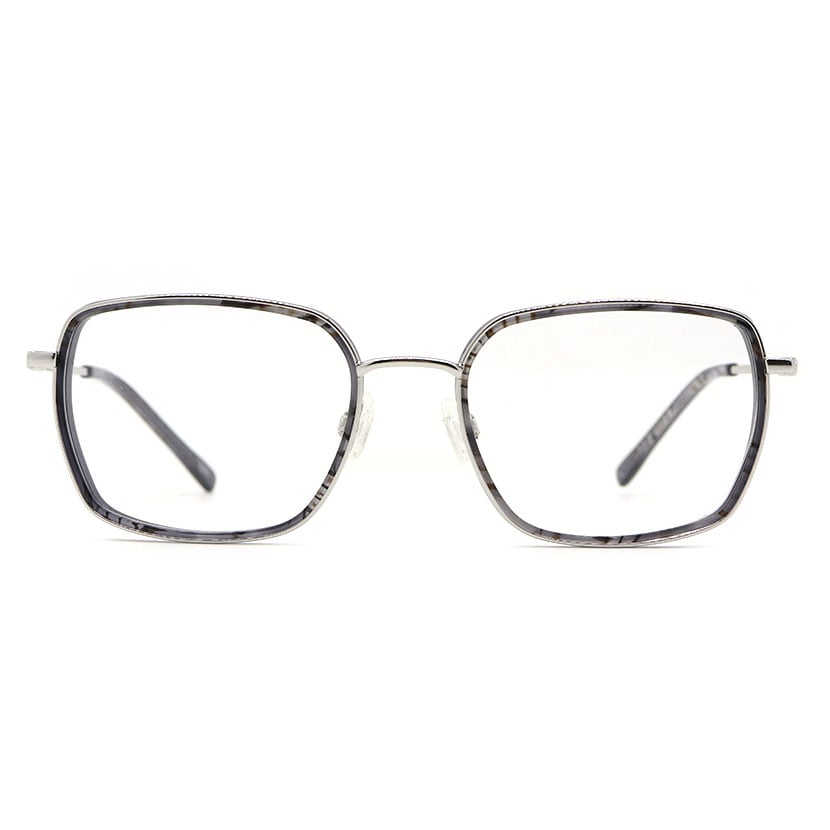
The eyewear industry recognizes several distinct titanium grades, each offering unique advantages and limitations in frame manufacturing. Pure titanium eyewear and beta titanium frames represent the most common options available to buyers, while other specialized alloys serve niche applications. This guide examines the technical properties, manufacturing considerations, and practical implications of each grade to help you select the optimal material for your eyewear requirements.
Pure Titanium and Grade Classifications
Understanding Pure Titanium Eyewear
Pure titanium eyewear consists of titanium with minimal alloying elements, typically categorized into four commercially recognized grades based on oxygen and iron content. Grade 1 pure titanium eyewear offers the softest and most ductile option, while Grade 4 provides enhanced strength through slightly higher oxygen content. Pure titanium eyewear demonstrates exceptional biocompatibility, making it ideal for individuals with sensitive skin or known allergies to nickel and other common frame materials. The lightweight nature of pure titanium frames reduces pressure on the nose and ears, contributing to superior all-day comfort even during extended wear periods.
Mechanical Properties and Performance
Titanium frames manufactured from pure grades exhibit tensile strengths ranging from 275 to 550 megapascals, depending on the specific grade selected. These titanium frames demonstrate excellent corrosion resistance in diverse environmental conditions, including saltwater exposure and humid climates, without requiring special protective coatings. The ductility of pure titanium allows frames to be shaped and adjusted without fracturing, a critical advantage in frame repair and customization. Eyewear buyers appreciate that pure titanium eyewear maintains its structural integrity over years of daily use while resisting the tarnishing and discoloration common in base metal alloys.
Beta Titanium Alloys and Hybrid Properties
Composition and Alloying Strategy
Beta titanium, an alpha-beta alloy system, combines titanium with vanadium, molybdenum, and chromium to achieve enhanced strength while preserving lightweight characteristics. Beta titanium frames offer approximately 30 to 40 percent greater strength compared to pure titanium eyewear at equivalent weight, enabling thinner frame designs without compromising durability. The alloying elements in beta titanium are carefully balanced to maintain excellent spring-back properties, allowing frames to flex and return to their original shape under stress. This resilience makes beta titanium particularly valuable for full-rim frame designs that must endure repeated handling and wear.
Processing and Manufacturing Benefits
Beta titanium eyewear is more readily machined than pure titanium grades, reducing production time and manufacturing complexity for eyewear manufacturers. The increased machinability translates to more precise fabrication tolerances and refined aesthetic details in frame design. Beta titanium frames can be heat-treated to further enhance their strength and hardness, expanding the range of available finished properties. Despite these advantages, eyewear buyers should note that beta titanium typically contains trace elements that occasionally trigger sensitivities in individuals with severe metal allergies, though reactions remain rare.
Selecting the Right Titanium Grade for Your Needs
Application-Specific Considerations
Eyewear buyers focused on maximum hypoallergenic properties should prioritize pure titanium eyewear, particularly Grade 1 or Grade 2 variants. Those seeking superior durability, thinner frame profiles, and enhanced spring-back performance will find beta titanium frames better suited to their requirements. Titanium eyewear selection also depends on intended use environment; saltwater exposure and extreme humidity favor pure titanium, while controlled indoor environments may benefit from beta titanium's superior strength-to-weight ratio.
Cost and Value Assessment
Pure titanium eyewear typically commands a premium price due to its scarcity and biocompatible properties, positioning it as a luxury option for sensitive or allergy-prone buyers. Beta titanium frames often deliver superior value by combining enhanced durability, refined aesthetics, and faster production timelines at moderate cost premiums over base metals. The long-term cost of ownership favors titanium frames in all grades, as their corrosion resistance eliminates frequent replacement cycles common with lesser materials. Eyewear buyers investing in titanium frames benefit from multi-year performance that justifies initial material costs through extended service life and minimal maintenance requirements.
FAQ
What is the difference between pure titanium eyewear and beta titanium frames?
Pure titanium eyewear offers superior biocompatibility and hypoallergenic properties with excellent corrosion resistance, making it ideal for sensitive individuals. Beta titanium frames provide approximately 30 to 40 percent greater strength, enhanced machinability, and superior spring-back properties, allowing thinner designs without sacrificing durability. Pure titanium eyewear weighs slightly more than beta titanium at equivalent frame thickness, while beta titanium accommodates more refined aesthetic details through improved manufacturing precision. Your choice depends on whether hypoallergenic performance or enhanced durability and design flexibility takes priority in your selection criteria.
Are titanium frames suitable for people with metal allergies?
Pure titanium eyewear is considered hypoallergenic and recommended for individuals with nickel allergies or general metal sensitivities, as titanium rarely triggers allergic reactions. Beta titanium frames may contain trace amounts of alloying elements like vanadium or molybdenum that occasionally affect highly sensitive individuals, though serious reactions remain uncommon. Eyewear buyers with documented metal allergies should request material certification confirming the absence of nickel, cadmium, and other known allergens. Pure titanium eyewear provides the highest confidence for allergy-prone users, while beta titanium frames suit most people without sensitivity concerns.
How long do titanium frames last compared to other eyewear materials?
Titanium eyewear and titanium frames typically outlast base metal or plastic frames by five to seven years or more, depending on care and environmental exposure. The corrosion resistance of both pure titanium and beta titanium prevents rust, tarnishing, and material degradation common in lesser alloys. Titanium frames maintain their structural integrity through years of daily use, repeated adjustments, and environmental stress without developing permanent deformations or fractures. While initial investment in titanium eyewear exceeds other materials, the extended lifespan and minimal maintenance requirements make titanium frames a cost-effective long-term choice for discerning buyers prioritizing durability and reliability.



