
 EN
Anodizing Processes That Create Color on Titanium Eyewear: A Technical Guide for Eyewear Buyers
How voltage, oxide thickness & electrolytes create durable anodized colors on titanium frames. Essential technical insights for eyewear buyers.
Anodizing is a critical electrochemical process that transforms raw titanium eyewear into visually striking products with precise color finishes. For eyewear buyers and procurement professionals, understanding how anodizing creates color on titanium frames is essential to evaluating product quality, durability, and aesthetic appeal. Unlike traditional painting or coating methods, anodizing chemically alters the titanium surface to produce colors that are inherent to the material itself, ensuring superior longevity and resistance to wear.
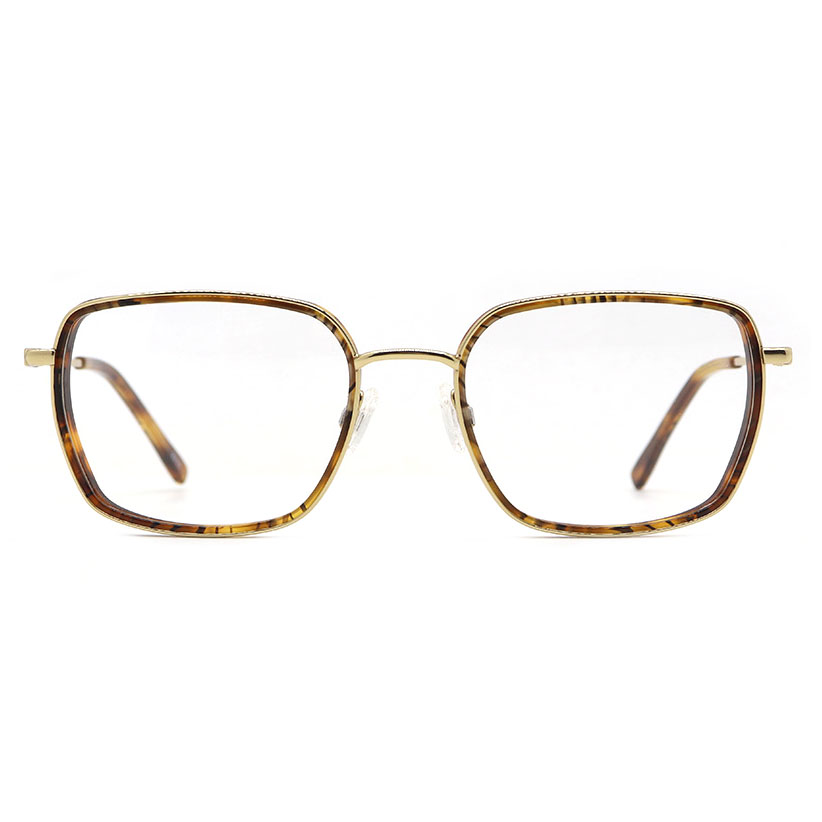
The anodizing process begins with surface preparation of pure titanium eyewear or beta titanium frames. Manufacturers clean the titanium frames thoroughly to remove oils, contaminants, and oxidation layers. This preparation is crucial because any surface impurities will interfere with the electrical conductivity needed for consistent color development. The anodized finish that results creates an oxide layer whose thickness and crystalline structure determine the final color intensity and hue.
Understanding the Anodizing Chemistry Behind Titanium Frame Color
How Electrical Current Generates Color in Titanium Eyewear
The anodizing process applies an electrical current to titanium eyewear submerged in a specialized electrolyte solution. This current causes oxygen ions from the solution to migrate toward the positively charged titanium frames. The resulting electrochemical reaction builds an oxide layer on the titanium surface. The thickness of this oxide layer, typically measured in nanometers, directly determines which color wavelengths are reflected and absorbed, thereby controlling the color of the anodized titanium eyewear.
Different voltage levels produce different colors during the anodizing process. Low voltages create light colors like pale gold or silver, while higher voltages produce deeper hues such as blue, purple, and bronze. Manufacturers control the applied voltage precisely to achieve consistent color batches across titanium frames. The purity of the electrolyte, the temperature of the solution, and the duration of electrical exposure all influence the final color output of the anodized titanium eyewear.
Oxide Layer Thickness and Light Interference
The oxide layer formed during anodizing acts as a thin-film interference medium. When light strikes the surface of anodized titanium frames, it reflects from both the top and bottom of the oxide layer. These reflected light waves interfere with each other, amplifying or canceling specific wavelengths. This light interference phenomenon is what creates the rainbow of colors visible in beta titanium eyewear and pure titanium eyewear, without the need for pigments or dyes.
The practical consequence is that anodized titanium eyewear displays superior color stability compared to painted or coated alternatives. Because the color originates from the material structure itself rather than surface pigments, the finish resists fading from UV exposure, abrasion, and daily handling. This durability makes titanium frames an attractive choice for high-end eyewear collections where color consistency and longevity are critical buyer requirements.
Process Control and Color Consistency in Titanium Frames Manufacturing
Quality Parameters That Affect Anodized Color Output
Achieving consistent color across a production batch of titanium eyewear requires strict control of multiple process variables. The electrolyte composition must remain stable, with precise concentrations of sulfuric acid, phosphoric acid, or chromic acid depending on the desired color range. Temperature control is equally important; even a few degrees variation can shift the anodized color significantly. Manufacturers monitor current density (amperage per square meter of titanium surface), process time, and solution pH continuously to ensure that every frame meets color specifications.
Experienced manufacturers of titanium frames use specialized testing equipment to validate color consistency. Spectrophotometers measure the exact wavelength reflectance of anodized beta titanium and pure titanium eyewear samples. This data is compared against approved color standards to confirm that production batches meet buyer expectations. For eyewear companies sourcing titanium frames from contract manufacturers, requesting color measurement data and sample validation is a best practice that ensures delivery quality.
Challenges in Scaling Anodized Titanium Eyewear Production
As production volume increases, maintaining anodizing consistency becomes more complex. Large anodizing tanks hold hundreds or thousands of titanium frames simultaneously, creating potential for uneven current distribution and color variation within the same batch. Skilled technicians must monitor electrical parameters in real-time, adjusting voltage and temperature to compensate for changes in electrolyte concentration as the process depletes chemical compounds. High-quality manufacturers of titanium eyewear invest in automated monitoring systems and sophisticated tank designs to minimize this variability.
Another scaling challenge involves managing the surface area of individual titanium frames within the tank. Beta titanium and pure titanium eyewear with different bridge widths or temple lengths may receive uneven current exposure, resulting in color inconsistency across a single frame or between frames in the same batch. Production engineers address this by using specially designed fixtures that hold titanium frames in optimal positions relative to the electrical conductors, ensuring uniform current distribution during the anodizing process.
Post-Anodizing Treatment and Long-Term Durability of Titanium Eyewear
Sealing Anodized Titanium Frames for Maximum Protection
After the anodizing process completes, the oxide layer on titanium eyewear is porous at the microscopic level. Manufacturers must seal this porosity to achieve maximum durability and color stability in the finished product. The sealing process typically involves immersing anodized titanium frames in hot water or using specialized chemical sealers that close the pores in the oxide layer. This sealing step is critical because unsealed anodized surfaces can absorb moisture, dirt, and perspiration, which degrades color over time and compromises the protective benefits of titanium eyewear.
Sealed anodized titanium eyewear offers superior resistance to scratching, corrosion, and color fading compared to unsealed alternatives. The sealed oxide layer acts as a barrier between the titanium substrate and environmental contaminants. For eyewear buyers evaluating supplier quality, confirming that production includes proper sealing procedures ensures that the final product will maintain its aesthetic appeal and protective properties throughout the product lifecycle.
Maintenance Guidance for Preserving Anodized Color on Titanium Frames
End users of anodized titanium eyewear should understand basic care practices to preserve the anodized finish. Gentle cleaning with soft microfiber cloths and mild soap prevents micro-scratching that could dull the color. Avoiding harsh chemical cleaners, abrasive materials, and exposure to extreme heat protects the integrity of the oxide layer. While anodized titanium frames are inherently durable, intentional care practices extend the visual lifespan of the anodized finish, particularly for premium titanium eyewear collections where color aesthetics are a key product differentiator.
FAQ
What color options are available through anodizing on titanium frames?
Anodizing can produce a wide spectrum of colors on pure titanium eyewear and beta titanium frames, including rose gold, silver, gunmetal, blue, purple, bronze, and champagne. The specific colors available depend on the voltage levels applied during the electrochemical process and the electrolyte chemistry selected by the manufacturer. Advanced anodizing facilities can achieve custom color specifications to match brand aesthetics or seasonal collections.
How does anodized color on titanium eyewear compare to painted or plated finishes?
Anodized titanium eyewear offers superior durability compared to painted or electroplated alternatives because the color is integral to the material structure itself. Anodized finishes resist fading, chipping, and peeling far better than surface coatings. The oxide layer also provides corrosion protection to the underlying titanium frames, making anodized products ideal for high-performance eyewear applications where longevity and color stability are essential buyer priorities.
Can anodized titanium eyewear color be repaired or re-anodized if damaged?
Minor scratches on anodized titanium frames are often superficial and do not significantly impact the overall appearance or functionality of the eyewear. For significant damage, some manufacturers offer re-anodizing services that strip the existing oxide layer and apply a fresh anodized finish. However, re-anodizing should be performed by experienced professionals to avoid damage to the underlying titanium. For eyewear buyers, sourcing from suppliers with strong quality control and durability standards minimizes the need for repair or re-anodizing interventions.



