
 EN
The Strength to Weight Ratio of Titanium Eyewear Frames: A Technical Guide for Eyewear Buyers
Why titanium frames outperform acetate & steel: 40–50% lighter + superior tensile strength. Compare pure vs. beta alloys, durability, ROI & comfort.
When selecting eyewear, most buyers focus on style and fit, overlooking one critical factor that determines durability, comfort, and long-term value: strength-to-weight performance. Titanium Eyewear stands apart in the optical market because it delivers an exceptional strength-to-weight ratio that traditional materials simply cannot match. This technical guide explains the science behind titanium frames, how different titanium alloys perform, and why this superiority matters for your eyewear investment.
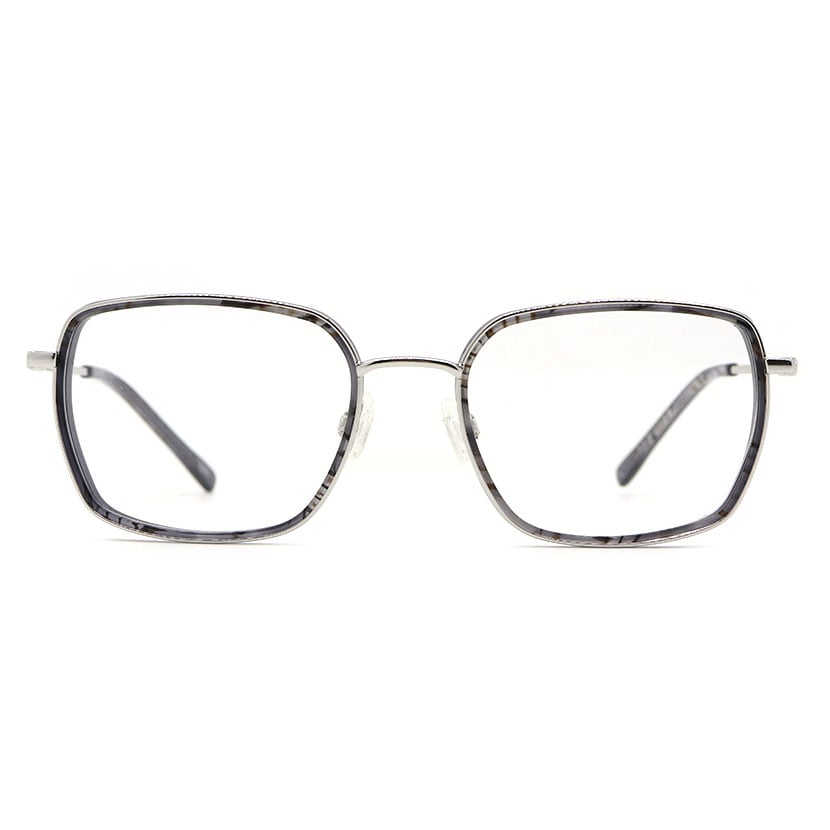
The strength-to-weight advantage of titanium frames creates tangible benefits across comfort, durability, and aesthetics. Titanium frames weigh 40 to 50 percent less than conventional materials like stainless steel or acetate, yet provide superior tensile strength that resists bending, warping, and breakage during daily wear. Understanding this material science empowers buyers to make informed decisions aligned with their lifestyle demands and budget priorities.
Understanding Titanium Alloys in Eyewear Manufacturing
Pure Titanium Properties and Performance
Pure titanium eyewear represents the highest purity grade available for optical applications, typically rated as Grade 1 or Grade 2 titanium. This form delivers exceptional biocompatibility, making it ideal for sensitive skin and allergy-prone users. Pure titanium eyewear exhibits excellent corrosion resistance even in harsh environments, ensuring frames remain structurally sound through years of exposure to moisture, sweat, and chemical residues. The material achieves a density of 4.5 grams per cubic centimeter, making it remarkably lightweight while maintaining strength that exceeds most competing materials.
Beta Titanium Alloys for Enhanced Flexibility
Beta titanium represents an engineered alloy composition that introduces elements like molybdenum and vanadium to enhance specific performance characteristics. Beta titanium frames offer superior springback properties, meaning hinges and temples return to original position after flexing without permanent deformation. This alloy delivers approximately 3 times greater elasticity than pure titanium eyewear, making it particularly valuable for active users who require durability through impact and stress. Beta titanium also enables thinner frame designs without sacrificing structural integrity, allowing manufacturers to create more refined aesthetics without compromising performance.
Strength-to-Weight Ratio: Technical Advantages Explained
Mechanical Advantage Over Competing Materials
The strength-to-weight ratio of titanium frames dramatically outperforms alternative eyewear materials in head-to-head comparison. Titanium frames achieve tensile strength of 160 to 240 megapascals while maintaining ultra-low density, creating a performance metric that traditional materials cannot replicate. Stainless steel frames require significantly greater mass to achieve comparable strength, resulting in heavier eyewear that causes fatigue and discomfort during extended wear. Acetate and plastic frames, though lightweight, lack the tensile strength to withstand impact and daily stress without cracking or permanent bending. This mechanical superiority makes titanium frames the logical choice for buyers prioritizing durability alongside comfort.
Real-World Durability and Longevity
The practical implications of titanium frames' superior strength-to-weight characteristics translate directly to extended product lifespan and reduced replacement frequency. Beta titanium eyewear particularly excels in high-stress scenarios because hinges flex repeatedly without weakening the underlying material structure. Users can expect premium titanium frames to maintain optical alignment and structural integrity through five to seven years of daily wear, substantially exceeding the typical lifespan of acetate or standard metal frames. The corrosion resistance of pure titanium eyewear means frames maintain appearance and performance even when exposed to chlorine, saltwater, or humid climates where other materials degrade rapidly.
Practical Selection Criteria for Eyewear Buyers
Choosing Between Pure Titanium and Beta Titanium Frames
Selecting the optimal titanium alloy requires understanding your specific lifestyle demands and comfort priorities. Pure titanium eyewear suits buyers with sensitive skin, chronic allergies, or occupational environments where biocompatibility matters most. If your work or recreation involves significant physical activity, impact risk, or repeated hinge stress, beta titanium frames deliver superior elasticity and long-term reliability. Consider also your aesthetic preferences and budget constraints, as pure titanium eyewear typically commands premium pricing while beta titanium options offer competitive cost-to-performance ratios.
Comfort, Maintenance, and Total Cost Considerations
The lightweight nature of titanium frames creates immediate comfort advantages that accumulate over years of wear. Users report significantly reduced pressure on nose bridges and temple areas compared to heavier materials, translating to fewer headaches and greater all-day comfort. Maintenance demands remain minimal for titanium frames across both pure and beta alloys, requiring only regular lens cleaning and occasional temple adjustment. While initial purchase price for titanium frames exceeds budget eyewear alternatives, the extended lifespan and superior comfort justify the investment for professionals and active individuals. Total cost of ownership favors titanium because replacement frequency drops substantially when compared to acetate frames requiring updates every two to three years.
FAQ
What makes titanium frames more durable than other eyewear materials?
Titanium frames achieve superior durability through exceptional tensile strength combined with ultra-low density. The material resists bending, warping, and impact damage far better than acetate, stainless steel, or plastic alternatives. Additionally, titanium's natural corrosion resistance prevents degradation from moisture, sweat, and environmental exposure, ensuring frames maintain structural integrity through extended wear cycles.
Is pure titanium eyewear better than beta titanium for all users?
Pure titanium eyewear excels for users with allergies or sensitive skin due to superior biocompatibility, while beta titanium frames deliver enhanced flexibility and springback properties ideal for active users and high-stress applications. The optimal choice depends on your specific lifestyle, comfort needs, and budget. Both alloys provide exceptional strength-to-weight performance and longevity compared to conventional eyewear materials.
How long do titanium frames typically last compared to other eyewear?
Premium titanium frames generally maintain performance for five to seven years of daily wear, approximately double the lifespan of standard acetate frames. The superior corrosion resistance and structural integrity of both pure titanium eyewear and beta titanium ensure extended durability even in harsh environments. Proper care and occasional adjustment further extend the lifespan, making titanium frames a long-term investment that reduces replacement frequency and total cost of ownership.



