
 EN
Pure Titanium vs Titanium Alloy Eyewear: Key Differences for Buyers
Compare strength, weight, cost & allergy safety to choose the right frames. Get expert buyer guidance now.
Choosing between pure titanium eyewear and titanium alloy frames represents one of the most important decisions for buyers seeking durable, lightweight eyeglasses. Both materials have earned strong reputations in the optical industry, yet they offer distinctly different performance characteristics, cost profiles, and aesthetic possibilities. Understanding these differences helps you make an informed choice that aligns with your specific lifestyle, budget, and visual needs.
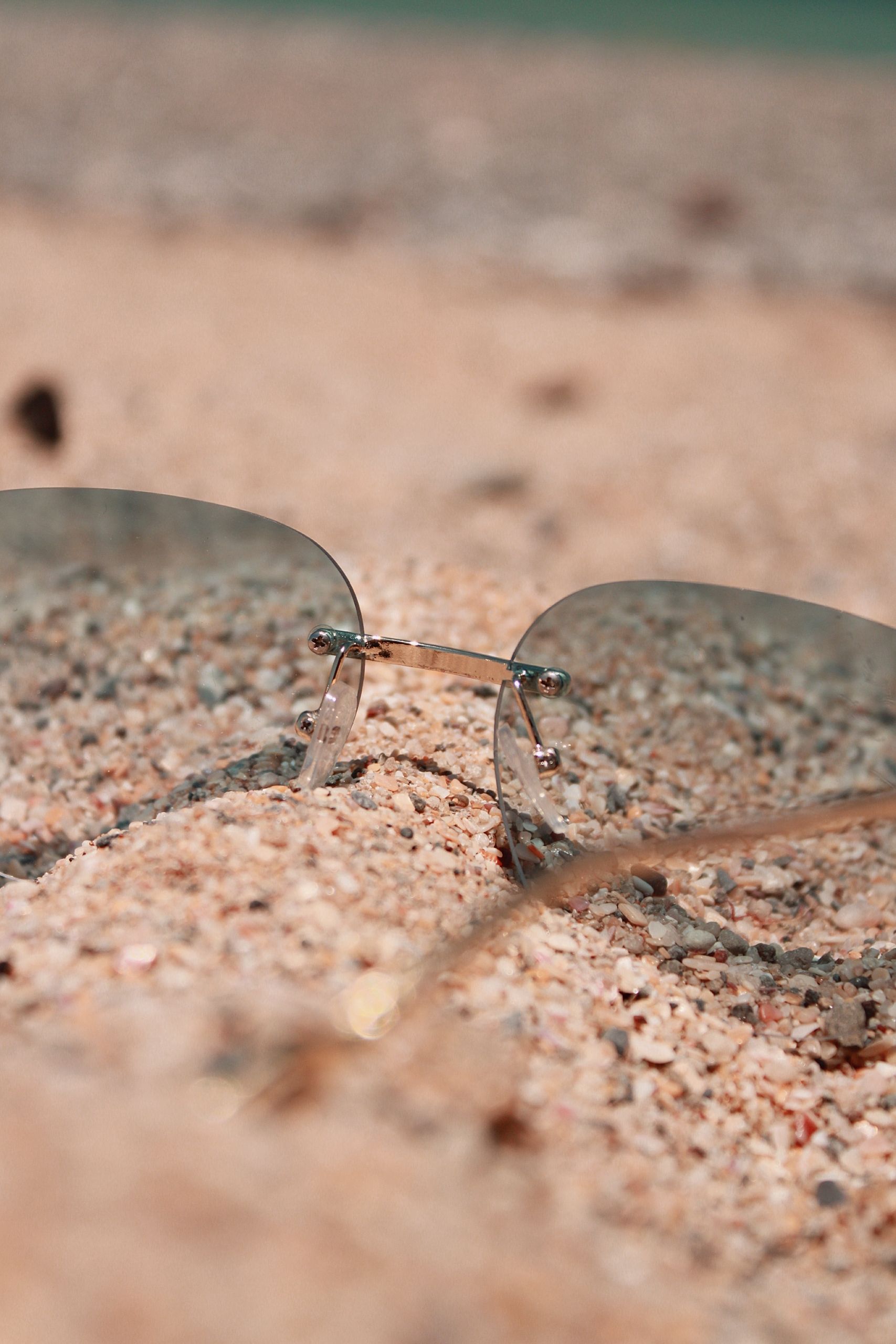
The material composition of your eyewear affects not only how long your glasses last but also how comfortable they feel daily. Whether you prefer the purity of pure titanium eyewear or the enhanced properties of beta titanium and other titanium alloy options, each material brings unique advantages. This guide explores the mechanical, chemical, and practical differences so you can confidently select titanium frames that deliver the performance and value you deserve.
Material Composition and Structural Differences
Pure Titanium Eyewear Properties
Pure titanium eyewear consists of at least 99.5% titanium by weight, with trace elements accounting for the remainder. This unalloyed form provides excellent biocompatibility, making pure titanium eyewear ideal for people with sensitive skin or metal allergies. The material exhibits inherent flexibility and moderate strength, allowing frames to absorb impact without permanent deformation, which explains why pure titanium eyewear has become popular for active lifestyles.
The straightforward composition of pure titanium eyewear simplifies manufacturing and recycling processes. Users appreciate the hypoallergenic nature of pure titanium eyewear, as nickel-sensitive individuals often experience no adverse reactions. However, pure titanium eyewear requires careful tempering and design to achieve desired strength levels because pure titanium lacks the hardness found in alloyed variants.
Titanium Alloy Frame Composition
Titanium frames made from alloys combine titanium with elements like aluminum, vanadium, molybdenum, or nickel to create materials with enhanced properties. Beta titanium represents one of the most popular titanium alloy options used in eyewear manufacturing. Titanium alloy formulations allow engineers to customize strength, flexibility, and weight based on specific frame requirements and design goals.
Beta titanium and other titanium alloy varieties typically exhibit greater hardness and fatigue resistance than pure titanium eyewear. These titanium frames can withstand repeated stress cycles and maintain their shape under demanding use. The enhanced properties of beta titanium make these titanium frames particularly suitable for sports eyewear and professional environments where durability ranks as a critical concern.
Performance Characteristics and Practical Benefits
Strength and Durability Comparison
Pure titanium eyewear delivers respectable durability for typical daily wear, offering excellent corrosion resistance and maintaining optical alignment through normal use. However, titanium eyewear made from alloys like beta titanium provides superior strength metrics and exhibits greater resistance to permanent deformation after impact. Athletes and outdoor enthusiasts often prefer titanium alloy frames because these titanium frames recover more completely from accidental drops or pressure.
Titanium frames manufactured from beta titanium alloy demonstrate approximately 20-30% higher tensile strength compared to pure titanium eyewear. This enhanced structural capacity allows beta titanium eyewear designs to use thinner materials while maintaining the same durability level. For high-performance applications, titanium frames fabricated from alloy compositions provide measurable advantages in longevity and resilience.
Weight and Comfort Considerations
Both pure titanium eyewear and titanium alloy frames rank among the lightest eyewear options available, typically weighing between 8-12 grams per pair. Pure titanium eyewear edges slightly lower in weight, which matters for extended wear sessions where frame weight accumulates into noticeable fatigue. However, the difference between pure titanium eyewear and titanium alloy options remains negligible for most wearers.
Comfort depends more on frame geometry and nostril pad design than on material choice between pure titanium eyewear and beta titanium alternatives. Titanium frames demonstrate superior comfort compared to plastic or traditional metal eyewear because titanium distributes pressure evenly and resists metal fatigue that leads to pinching. Users report that both pure titanium eyewear and titanium alloy frames maintain comfortable fit after years of daily use.
Cost, Maintenance, and Selection Guidance
Price Point and Value Analysis
Pure titanium eyewear typically commands premium pricing due to manufacturing complexity and material costs, usually ranging from mid-range to high-end price segments. Beta titanium and specialized titanium alloy frames often cost slightly less than pure titanium eyewear because alloy manufacturing allows volume production efficiency. Budget-conscious buyers should evaluate the specific performance demands of their intended use before assuming higher costs equal better value.
The value proposition of titanium frames—whether pure titanium eyewear or titanium alloy options—becomes apparent over multi-year ownership cycles. These titanium frames resist corrosion better than standard metals, require minimal maintenance, and maintain optical precision longer than comparable eyewear. For buyers committed to long-term use, both pure titanium eyewear and titanium alloy investments provide favorable cost-per-year economics.
Care, Maintenance, and Longevity
Titanium frames require only basic care: gentle cleaning with soft cloths and mild soap, occasional adjustment by optical professionals, and protective storage when not in use. Pure titanium eyewear and beta titanium frames alike resist scratching and maintain their finish without special coatings or protective treatments. The inherent corrosion resistance of titanium materials means these frames endure exposure to sweat, saltwater, and humidity without degradation.
Users should note that titanium alloy frames containing nickel may pose concerns for individuals with metal sensitivities, whereas pure titanium eyewear remains universally safe for sensitive wearers. Regular optical center checks ensure proper lens alignment regardless of whether you choose pure titanium eyewear or titanium alloy options. Professional adjustment services can extend frame lifespan indefinitely, making titanium frames a sustainable long-term choice.
FAQ
Is pure titanium eyewear stronger than beta titanium frames?
Beta titanium and other titanium alloy frames typically exhibit greater tensile strength and hardness than pure titanium eyewear. However, pure titanium eyewear offers superior flexibility and impact absorption, which provides different durability advantages. The choice between pure titanium eyewear and beta titanium depends on whether you prioritize raw strength or flexibility under stress.
Can people with nickel allergies wear all titanium frames safely?
Pure titanium eyewear is completely hypoallergenic and safe for nickel-sensitive individuals. Some titanium alloy formulations may contain trace nickel, so nickel-allergic wearers should specifically request pure titanium eyewear or verify alloy composition before purchase. Beta titanium often contains molybdenum rather than nickel, making many beta titanium frames suitable for sensitive wearers, but verification ensures safety.
Which titanium frames represent better long-term value?
Both pure titanium eyewear and titanium alloy frames offer excellent long-term value due to durability and minimal maintenance requirements. Pure titanium eyewear costs more upfront but provides hypoallergenic properties, while beta titanium frames offer cost advantages with nearly equivalent lifespan. Your choice should reflect personal priorities: if nickel sensitivity or maximum flexibility matters, choose pure titanium eyewear; if cost and hardness matter more, select titanium alloy alternatives.



