
 EN
Titanium Eyewear vs Stainless Steel Eyewear: Key Differences for Buyers
Confused between titanium and stainless steel eyewear? Compare weight, corrosion resistance, cost, skin safety & durability. Make the right material choice.
When selecting eyewear, material choice significantly impacts durability, comfort, and long-term value. Titanium eyewear and stainless steel frames represent two premium options that serve different buyer needs. Understanding the key differences between these materials enables informed purchasing decisions that align with your lifestyle, budget, and performance expectations. Both materials offer superior strength compared to conventional plastic or acetate frames, yet each brings distinct advantages and trade-offs that deserve careful consideration before commitment.
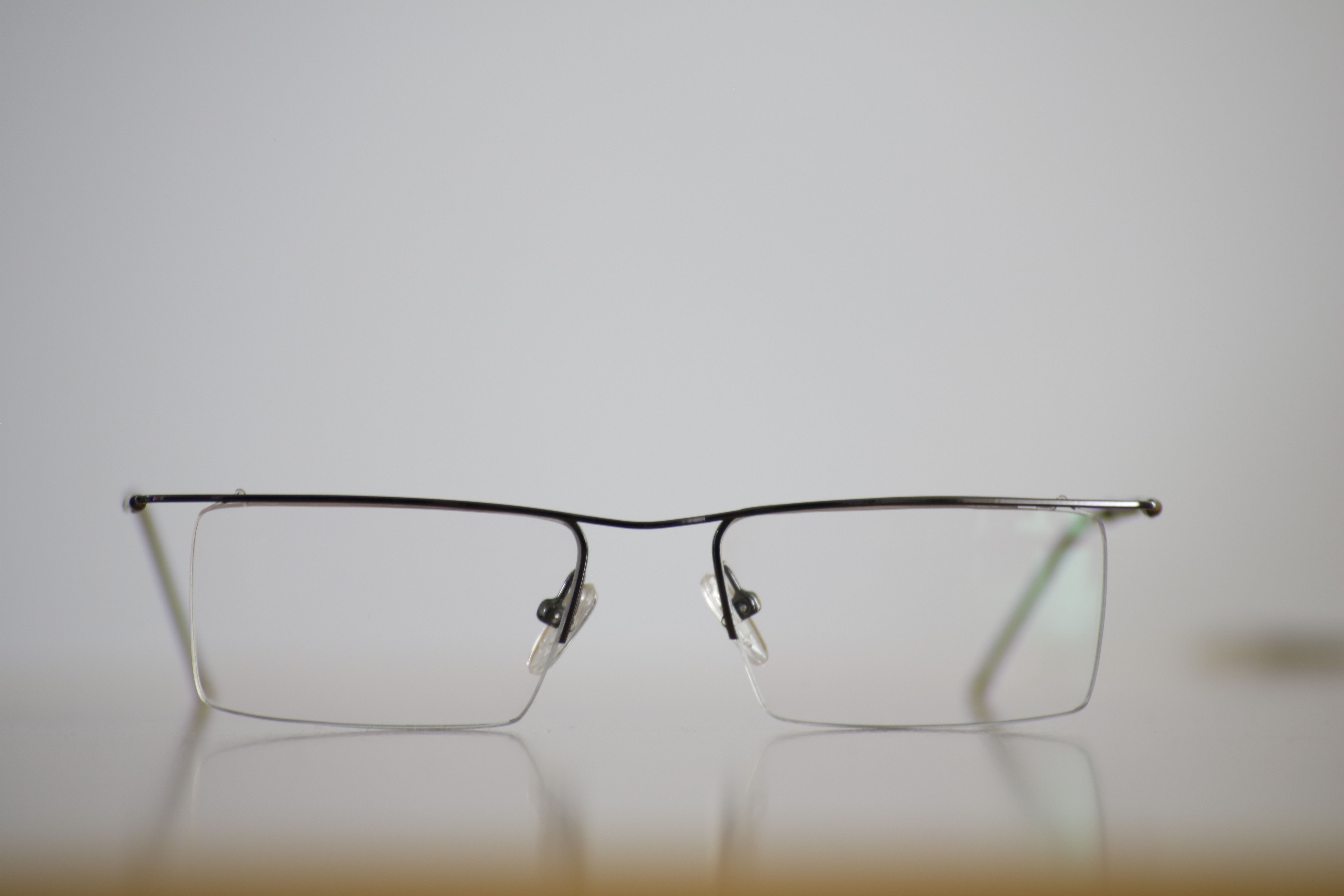
This comprehensive guide explores the material characteristics, performance metrics, and practical implications of both titanium frames and stainless steel eyewear. Whether you prioritize lightweight comfort, corrosion resistance, aesthetic flexibility, or investment longevity, this comparison provides the technical context and real-world considerations necessary to make the right choice. By examining durability science, manufacturing processes, and end-user experience, you will gain clarity on which material best serves your specific requirements and usage patterns.
Material Composition and Structure
Understanding Pure Titanium Eyewear
Pure titanium eyewear consists of commercially pure titanium, typically Grade 1 or Grade 2, which contains minimal alloys and offers exceptional biocompatibility. This material exhibits a crystalline structure that provides natural strength without requiring heavy alloying elements. Pure titanium eyewear features a silver-gray appearance and can be anodized to achieve various colors, making it versatile for aesthetic customization. The low density of titanium means that pure titanium eyewear weighs approximately 40 to 50 percent less than stainless steel frames of equivalent size, creating a significant comfort advantage for all-day wear.
Beta Titanium and Alloy Variations
Beta titanium represents a titanium alloy specifically engineered for eyewear applications, containing vanadium and other elements that enhance spring-back properties and flexibility. Beta titanium frames combine the lightweight benefits of titanium frames with improved malleability, allowing for more complex geometric designs and better frame adjustability. This titanium frames variant maintains corrosion resistance while offering superior repairability compared to pure titanium eyewear. Many premium eyewear manufacturers prefer beta titanium because it balances strength, flexibility, and manufacturing ease, making it ideal for both fashion-forward and functionally demanding applications.
Durability, Corrosion Resistance, and Longevity
Corrosion Resistance Comparison
Titanium eyewear demonstrates exceptional resistance to corrosion because titanium naturally forms a protective oxide layer on its surface when exposed to air and moisture. This passive layer prevents rust and degradation even in harsh environments, including saltwater, humid climates, and chemical exposure. Stainless steel frames also resist corrosion through chromium oxide formation, but pure titanium eyewear maintains superior corrosion resistance across a broader range of aggressive conditions. For buyers living in coastal regions, tropical climates, or environments with industrial pollutants, titanium frames offer measurably longer service life without maintenance-intensive protective coatings or storage protocols.
Strength-to-Weight Performance and Structural Integrity
Titanium eyewear provides exceptional strength relative to its minimal weight, with a strength-to-weight ratio that exceeds stainless steel by a substantial margin. This material property means that titanium frames can withstand significant impact, flexing, and daily stress while remaining feather-light on the face. Stainless steel eyewear, while durable and reliable, weighs considerably more and can cause fatigue during extended wearing periods. The superior structural efficiency of titanium frames translates to longer frame lifespan and reduced risk of breakage from accidental drops, crushing, or aggressive handling commonly encountered in active or professional environments.
Cost, Manufacturing, and Practical Trade-offs
Pricing Structure and Value Proposition
Titanium frames typically command higher retail prices than stainless steel eyewear because titanium material costs, processing complexity, and specialized manufacturing techniques increase production expenses. Pure titanium eyewear and beta titanium options generally fall into premium price brackets, ranging from moderate to luxury segments. However, the superior durability, lightweight comfort, and extended lifespan of titanium eyewear often justify the price premium by delivering lower total cost of ownership over five to ten years. Stainless steel eyewear offers a middle-ground option for budget-conscious buyers who prioritize durability over lightweight performance, making it suitable for occasional wear or environments where weight matters less.
Aesthetic Flexibility and Customization
Titanium frames accommodate diverse aesthetic treatments through anodizing, ion plating, and surface finishing techniques that create colors ranging from muted natural tones to vibrant metallics without sacrificing material integrity. Pure titanium eyewear can be customized to individual preferences through color options, texture applications, and specialty coatings that stainless steel eyewear cannot achieve as effectively. Stainless steel eyewear limitations include a narrower color palette and heavier visual presence, though polished or brushed finishes offer clean, professional appearances. Buyers prioritizing distinctive personal style or brand differentiation often find titanium frames superior, particularly in fashion-forward or high-visibility professional contexts where material customization directly influences brand perception.
Real-World Application Scenarios
Professional and Active Use Cases
Titanium eyewear excels in demanding professional and athletic environments where lightweight comfort, corrosion resistance, and durability combine to deliver superior performance. Sports enthusiasts, outdoor professionals, and individuals with active lifestyles benefit from the minimal weight and enhanced frame flexibility that beta titanium frames provide. Medical professionals, laboratory workers, and individuals in chemical-heavy industries gain advantage from titanium's exceptional resistance to corrosive exposure. The combination of comfort and reliability in titanium frames reduces the need for frequent replacement, making it economically sensible despite higher upfront investment in high-activity contexts.
Casual and Occasional Wear Contexts
For casual, occasional wear in controlled indoor environments, stainless steel eyewear delivers reliable performance at moderate cost without requiring premium material properties. Users who wear eyewear intermittently, prefer traditional metal aesthetics, or operate within tight budgetary constraints find stainless steel frames satisfactory. Titanium eyewear, while superior, may represent unnecessary expenditure for individuals who prioritize occasional use over performance intensity. The choice between materials for casual contexts depends on personal budget priorities, aesthetic preferences, and willingness to invest in premium durability for potential multi-decade ownership.
FAQ
Are titanium frames worth the higher cost compared to stainless steel eyewear?
Titanium frames justify their premium pricing through superior durability, minimal weight, exceptional corrosion resistance, and extended lifespan that can span decades with proper care. For frequent wearers in active environments or harsh climates, titanium eyewear delivers lower total cost of ownership despite higher initial investment. Casual wearers or those in stable environmental conditions may find stainless steel eyewear sufficient, making the higher cost less justifiable. The answer depends on personal usage intensity, environmental exposure, comfort priorities, and long-term ownership expectations.
Can titanium eyewear be repaired more easily than stainless steel frames?
Beta titanium frames offer superior repairability because titanium's flexibility and spring-back properties allow frame technicians to adjust, reshape, and fix damage without permanent deformation. Pure titanium eyewear is more rigid and challenging to repair compared to beta titanium, though still more repairable than brittle materials. Stainless steel eyewear presents moderate repairability challenges due to reduced flexibility and higher rigidity. Professional eyewear technicians generally find beta titanium frames easier to service, making them preferable for buyers who anticipate need for adjustments or repairs throughout frame ownership.
Which material is better for individuals with sensitive skin or metal allergies?
Pure titanium eyewear stands superior for sensitive skin because commercially pure titanium exhibits exceptional biocompatibility and rarely triggers allergic reactions or skin irritation. Titanium frames are hypoallergenic, making them ideal for individuals with nickel sensitivity or other metal-related conditions. Stainless steel eyewear contains nickel in most formulations, which can provoke reactions in susceptible individuals despite corrosion resistance. For anyone with confirmed or suspected metal sensitivities, pure titanium eyewear or beta titanium frames certified nickel-free represent the safest and most comfortable choice, often eliminating the need for coating or protection strategies.



