
 EN
Why Metal Eyewear Plating Discolors: Causes and Prevention in Manufacturing
Discover root causes—electrochemical degradation, plating flaws, humidity—and proven prevention for manufacturers. Protect quality now.
Discoloration of Metal Eyewear plating represents one of the most persistent quality challenges in optical frame manufacturing. Whether you are producing metal frames for retail distribution or custom wholesale orders, understanding why plating fails is essential to maintaining product integrity and customer satisfaction. Discoloration compromises both aesthetic appeal and structural performance, affecting your brand reputation and warranty claims. This challenge emerges during manufacturing, storage, shipping, or after consumer use, making it a multifaceted problem requiring comprehensive prevention strategies.
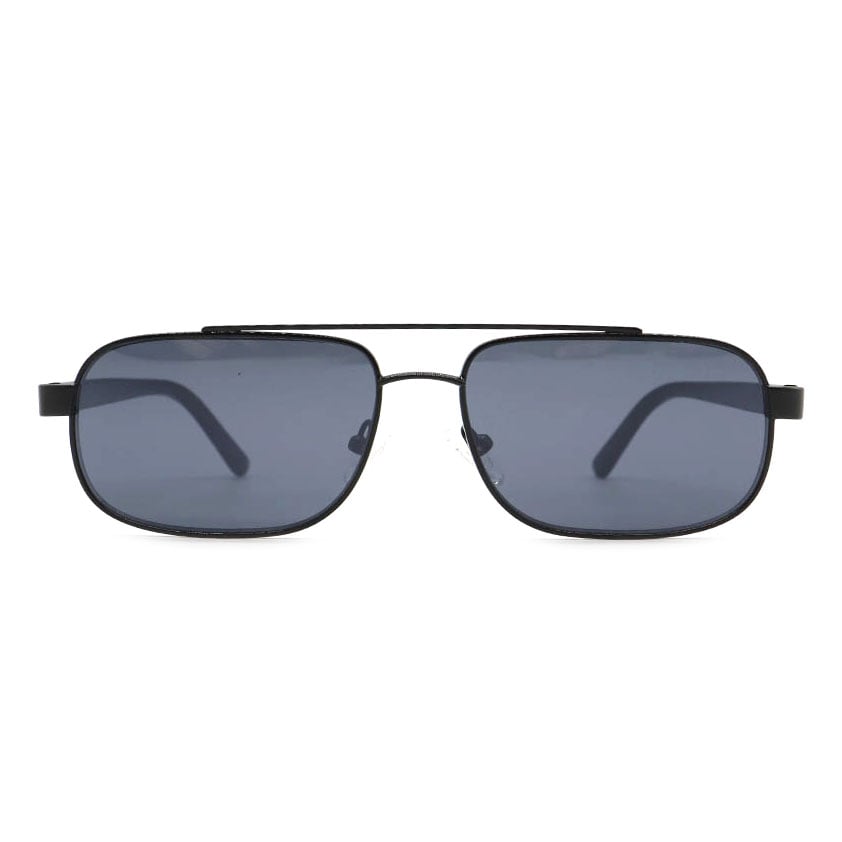
The science behind metal frames plating degradation involves electrochemistry, material composition, and environmental exposure. Stainless steel eyewear and alloy frames are engineered to resist corrosion, yet their plating systems can fail when manufacturing processes lack precision or environmental controls are insufficient. Understanding the root causes of discoloration empowers manufacturers to implement targeted prevention measures that protect product quality from production line through final delivery.
Root Causes of Metal Eyewear Plating Discoloration
Electrochemical Degradation and Base Material Incompatibility
Plating discoloration in metal frames often originates from electrochemical reactions between the plating layer and underlying base material. When nickel, gold, or chrome plating is applied to alloy frames, any microscopic defects in the plating layer expose the base metal beneath. This exposure creates galvanic couples where dissimilar metals interact in the presence of moisture, accelerating corrosion. Stainless steel eyewear frames benefit from superior base material properties, yet improper pre-plating surface preparation can introduce contamination that initiates this electrochemical process.
The adhesion quality between plating and substrate determines long-term durability. Metal eyewear manufacturers must ensure rigorous surface cleaning, activation, and buffering steps before plating application. Any residual oils, oxides, or foreign particles weaken adhesion, allowing moisture penetration and subsequent base metal oxidation. This process typically manifests as yellowing, darkening, or spotty discoloration patterns that spread outward from microscopic flaws in the coating.
Plating Thickness and Composition Variables
Industry standards specify minimum plating thickness requirements, yet inconsistent application or cost-cutting measures compromise protection. Thin plating layers on metal frames provide inadequate barrier protection against environmental moisture and chemical exposure. Gold plating over nickel-silver alloy frames, for example, requires sufficient thickness to prevent base material bleed-through. Substandard plating thickness accelerates discoloration, particularly in tropical climates or high-humidity storage environments.
Multi-layer plating systems used in premium stainless steel eyewear require careful composition control. When intermediary layers contain incompatible materials or exhibit poor inter-layer adhesion, differential expansion during temperature cycling can cause delamination. This mechanical failure exposes base material, triggering rapid oxidation and visible discoloration. Alloy frames with lower resistance to corrosion demand more protective plating strategies than high-grade stainless alternatives.
Environmental and Manufacturing Factors
Humidity, Temperature, and Chemical Exposure
Environmental conditions during manufacturing, storage, and transportation directly influence plating stability in metal eyewear. High humidity environments accelerate electrochemical corrosion, with discoloration appearing within weeks of exposure in tropical regions. Temperature fluctuations cause expansion and contraction of both plating and base material at different rates, generating mechanical stress that can crack or delaminate the coating. Chemical exposure in manufacturing facilities—including cleaning agents, flux residues, and airborne pollutants—attacks vulnerable plating systems on metal frames.
Humidity-controlled manufacturing areas reduce discoloration risk substantially. Metal frames stored in 40–60% relative humidity environments with stable temperatures remain significantly more stable than those exposed to fluctuating conditions. Consumer environments introduce additional stressors: saltwater exposure in coastal regions, acidic perspiration, cosmetics, and cleaning products all accelerate plating degradation. Stainless steel eyewear naturally resists some chemical attacks better than base-metal alloy frames, yet superior base material cannot fully compensate for inadequate plating protection.
Manufacturing Process Defects and Quality Control Gaps
Production-line deficiencies directly cause plating discoloration in finished metal eyewear. Insufficient rinsing between plating stages leaves chemical residues that corrode the coating. Improper electrical parameters during electroplating—incorrect voltage, duration, or solution temperature—produce uneven, weak coatings vulnerable to environmental attack. Some manufacturers skip critical process steps to accelerate production, exposing metal frames to unnecessary risk.
Quality control testing must include salt-spray analysis, humidity chamber exposure, and adhesion testing to verify plating integrity before shipment. Many manufacturers rely on visual inspection alone, missing subsurface defects that manifest as discoloration weeks or months after delivery. Alloy frames demand more rigorous testing protocols than stainless steel alternatives due to their higher baseline corrosion susceptibility. Implementing accelerated aging tests reveals latent plating weaknesses before product reaches consumers, protecting brand reputation and reducing warranty costs.
Effective Prevention Strategies in Manufacturing
Surface Preparation and Pre-Plating Protocols
Preventing discoloration begins with meticulous surface preparation of metal frames before plating application. Ultrasonic cleaning removes all organic contaminants, oils, and particulates from base material surfaces. Chemical activation steps open the surface structure, promoting superior plating adhesion. For stainless steel eyewear, passivation removes iron contamination that otherwise initiates corrosion. For alloy frames, mechanical and chemical preparation must address the specific composition to ensure uniform coating coverage.
Protective barriers during storage and shipping prevent contamination of prepared surfaces. Metal eyewear should not experience ambient exposure between final preparation and plating application. Maintaining inert atmospheres or desiccated environments during intermediate stages preserves surface integrity. Many manufacturers overlook this critical window, allowing oxidation to begin before plating even occurs. Proper intermediate storage prevents the subtle surface degradation that later manifests as plating discoloration.
Optimized Plating Systems and Post-Plating Protection
Multi-layer plating systems provide superior protection compared to single-layer approaches. Chrome or nickel undercoating creates a robust barrier before gold or color plating application. Nickel-free alternatives address regulatory requirements while maintaining corrosion resistance in metal frames and alloy frames. The specific multi-layer composition must match the base material chemistry to ensure compatible thermal expansion and adhesion throughout environmental cycles.
Post-plating passivation and sealing treatments add protective layers that prevent moisture infiltration. Organic coatings or inorganic sealants fill microdefects in the plating surface, eliminating pathways for electrochemical attack. These secondary barriers are particularly valuable for stainless steel eyewear destined for high-humidity environments. Metal eyewear manufacturers investing in these additional steps report dramatic reductions in warranty claims and customer discoloration complaints.
Environmental Controls and Storage Best Practices
Manufacturing facilities must maintain climate-controlled environments throughout production and storage phases. Temperature should remain stable within 18–25°C, with relative humidity controlled between 40–60%. These conditions minimize environmental stress on plating systems and prevent the onset of electrochemical corrosion. Facilities in humid climates require dehumidification systems and protective packaging to prevent condensation exposure.
Packaging materials significantly influence long-term plating stability of metal frames. Acidic cardboard, certain plastics, and direct contact with absorptive materials accelerate discoloration. Inert packaging materials, desiccant packets, and protective layers shield alloy frames and stainless steel eyewear from chemical and moisture attack during storage and shipment. Implementing these practices from manufacturing through final delivery creates a comprehensive protection system that dramatically extends product shelf life and reduces premature discoloration failures.
FAQ
Why does metal eyewear plating discolor faster in coastal environments?
Coastal air contains salt particles and high moisture levels that aggressively attack plating systems on metal frames. The combination of salt spray, humidity, and temperature fluctuation creates ideal conditions for electrochemical corrosion. Stainless steel eyewear resists this attack better than alloy frames, but all metal eyewear requires enhanced protective measures in marine environments. Applying post-plating sealants and using corrosion-inhibiting packaging materials extends product stability significantly in these demanding conditions.
Can quality metal frames discolor before the consumer receives them?
Yes, discoloration can occur during manufacturing, storage, or shipping if environmental controls are inadequate. Even premium stainless steel eyewear can develop visible defects if exposed to high humidity, temperature extremes, or chemical contamination during the production-to-consumer timeline. Implementing rigorous quality control testing, humidity-controlled storage, and inert protective packaging prevents most pre-delivery discoloration. Manufacturers should verify plating integrity through accelerated aging tests before shipment to ensure customers receive perfectly preserved products.
What preventive measures do manufacturers implement to stop alloy frames from discoloring?
Leading manufacturers employ multi-layer plating systems, enhanced surface preparation, post-plating sealants, and climate-controlled facilities to prevent discoloration in alloy frames. Chemical passivation removes surface contaminants, while nickel-free plating alternatives meet regulatory standards without sacrificing protection. Desiccated storage, inert packaging materials, and humidity monitoring throughout the supply chain maintain plating integrity from production through consumer delivery. These comprehensive strategies reduce discoloration failure rates to near-zero levels, protecting brand reputation and customer satisfaction.



