
 EN
Color Variation in Recycled Eyewear Frame Materials: Prevention Strategies for Eyewear Brands
Discover 10 proven prevention strategies for color consistency—protect brand identity & sustainability goals. Download guide.
Color consistency remains one of the most significant quality challenges for eyewear brands adopting sustainable materials. When manufacturers shift to recycled eyewear production, they face unpredictable color variations that can compromise brand identity and customer satisfaction. This occurs because recycled materials inherently contain mixed pigmentation histories, manufacturing residues, and inconsistent polymer chains. Understanding these root causes and implementing targeted prevention strategies is essential for brands committed to sustainability without sacrificing quality.
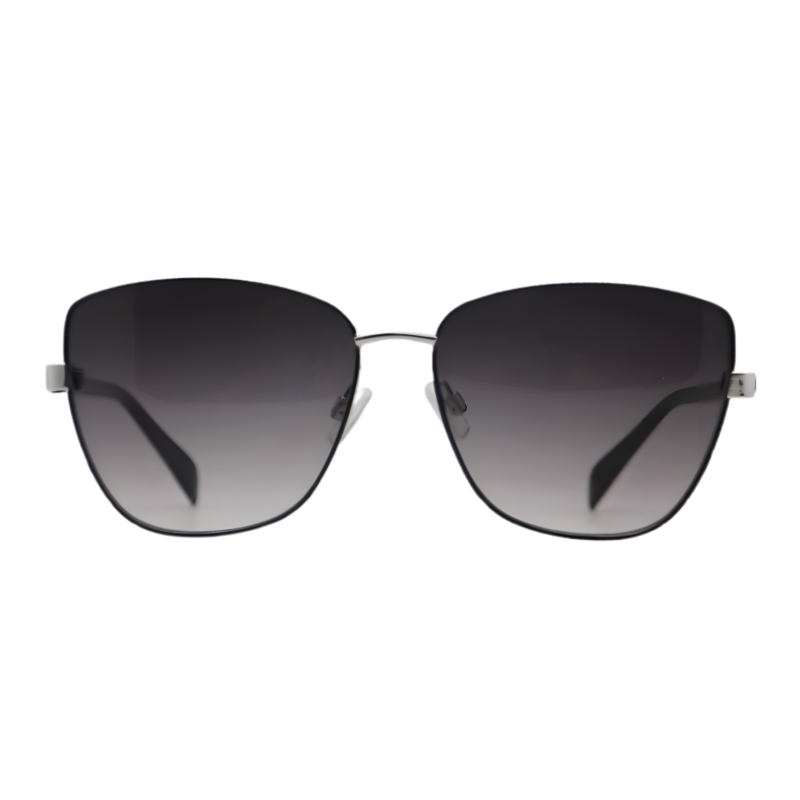
The transition to eco-friendly frame materials like rpet glasses and recycled acetate demands rigorous process control. Eyewear manufacturers must balance environmental responsibility with the aesthetic precision that modern consumers expect. Color variation isn't merely a cosmetic issue; it directly affects brand perception, retail shelf appeal, and long-term customer loyalty. By adopting proven prevention strategies, brands can deliver consistent, high-quality recycled eyewear products while maintaining their sustainability commitments.
Understanding Color Variation Sources in Recycled Materials
Material Composition and Contamination Issues
Recycled acetate frames and rpet glasses originate from mixed post-consumer sources, creating inherent variability in starting material composition. Unlike virgin polymers manufactured under controlled conditions, recycled materials contain traces of previous dyes, additives, UV stabilizers, and processing agents. Ocean plastic sunglasses face particularly complex challenges because marine-sourced plastics accumulate diverse contaminants, oxidation byproducts, and salt residues. These microscopic impurities act as uncontrolled color modifiers, creating subtle to dramatic hue shifts across production batches. The recycled eyewear industry must implement rigorous material sorting and pre-processing protocols to minimize this initial variability before frame manufacturing begins.
Processing Variables and Temperature Control
Thermal processing represents a critical vulnerability in recycled eyewear production. When recycled acetate or rpet glasses undergo extrusion, injection molding, or injection-compression processes, temperature fluctuations alter polymer crystalline structure and pigment dispersion patterns. Even minor temperature deviations within a single production run can cause noticeable color shifts in the finished frames. Ocean plastic sunglasses require particularly careful temperature management because ocean-sourced polymers often have lower and more variable melting points than virgin materials. Moisture content within recycled materials further complicates this dynamic, as trapped water can cause steam pockets that create translucency variations and uneven pigmentation distribution throughout the frame structure.
Practical Prevention Strategies for Color Consistency
Advanced Material Pre-Treatment and Sorting
The foundation of consistent recycled eyewear production begins with meticulous material sorting and preparation. Leading manufacturers implement multi-stage sorting systems that separate recycled acetate by color, clarity, and source origin before processing. Washing and drying protocols must remove contaminants thoroughly while protecting polymer integrity. For ocean plastic sunglasses and rpet glasses, thermal recycling followed by re-extrusion in controlled environments significantly reduces color inconsistency. Some manufacturers employ chemical additives during the pre-processing stage to neutralize residual dyes and stabilize polymer color baseline. This upstream investment in material quality dramatically reduces downstream color variation issues and improves the reliability of recycled eyewear production batches.
Strict Process Control and Monitoring Systems
Manufacturing facilities producing recycled eyewear must implement comprehensive process control frameworks that exceed industry standards. Temperature monitoring systems should track molding equipment to within ±2°C tolerances, with real-time feedback loops that halt production if parameters drift. Batch tracking and traceability systems allow manufacturers to correlate specific production conditions with color outcomes, enabling rapid identification of variables causing variation. For rpet glasses and recycled acetate frames, colorimeters and spectrophotometers should evaluate every batch before packaging. Ocean plastic sunglasses require even more stringent monitoring due to their inherent material variability. Process engineers should document color specifications using standardized measurement systems like LAB color space, creating objective benchmarks that remove subjective human interpretation from quality assessment.
Formulation Consistency and Pigment Selection
The pigments and dyes selected for recycled eyewear production must be chemically stable under the thermal and mechanical stresses of manufacturing. Synthetic organic pigments generally offer superior consistency compared to natural dyes, though eyewear brands should evaluate both options based on their specific sustainability and aesthetic goals. For recycled acetate frames, selecting pigments with high thermal stability prevents shade drift during molding and subsequent processing. Ocean plastic sunglasses benefit from UV-stable pigment selections that prevent color degradation from sun exposure during storage and retail display. Eyewear manufacturers should collaborate closely with material suppliers to ensure that pigment formulations are optimized for recycled material characteristics rather than applying virgin-material specifications to recycled inputs. This tailored approach significantly improves color consistency across rpet glasses and other sustainable frame products.
Quality Assurance and Brand Protection
Implementing Color Standards and Tolerance Ranges
Eyewear brands must establish explicit color standards that balance aesthetic precision with realistic manufacturing tolerances. Industry-standard practice defines acceptable color variation using LAB color space coordinates with clearly documented tolerance ranges. For recycled eyewear products, tolerance ranges may necessarily be slightly wider than virgin material frames, reflecting the inherent variability of recycled materials. Ocean plastic sunglasses and rpet glasses should have documented color specifications that customers and retail partners understand and accept. Creating reference physical samples that represent the acceptable color range helps production teams maintain consistent output without excessive waste from overly rigid standards. Regular color audits comparing production samples against approved standards ensure that manufacturing drift is detected and corrected before large batches are completed.
Customer Communication and Expectation Management
Transparency with customers builds trust and reduces dissatisfaction related to minor color variations in recycled eyewear. Eyewear brands should clearly communicate that sustainable materials like recycled acetate and ocean plastic sunglasses may exhibit slight color variation that distinguishes them from virgin plastic alternatives. Educational content explaining the environmental value proposition of recycled materials helps customers understand that minor color inconsistency is an acceptable tradeoff for sustainability benefits. For rpet glasses and other recycled eyewear products, marketing materials should emphasize quality control measures while acknowledging natural material characteristics. When brands position color variation as evidence of authentic recycled content rather than a defect, customer perception shifts positively, strengthening brand loyalty and justifying premium pricing for sustainable products.
FAQ
Why does recycled eyewear experience more color variation than virgin plastic frames?
Recycled eyewear materials originate from mixed post-consumer sources containing accumulated pigments, additives, and contaminants from previous product lifecycles. Unlike virgin plastics manufactured under controlled conditions, recycled acetate and ocean plastic sunglasses inherit color complexity from their source materials. Additionally, recycled polymers often have inconsistent thermal properties and moisture content, which further amplifies color variation during manufacturing. These inherent characteristics make rpet glasses and recycled eyewear products naturally variable unless manufacturers implement rigorous pre-processing and quality control systems to normalize material properties before frame production begins.
What testing methods do manufacturers use to measure color consistency in recycled eyewear?
Professional eyewear manufacturers employ spectrophotometers and colorimeters that measure color using objective LAB color space coordinates, eliminating subjective human perception from quality assessment. Samples from each production batch are tested against approved color standards, with results documented to identify trends and drift patterns. For ocean plastic sunglasses and recycled acetate frames, batch testing occurs both before packaging and during random retail inspections to ensure consistency throughout the product lifecycle. Many manufacturers also conduct accelerated aging tests that expose recycled eyewear samples to UV light and environmental stress to verify that color stability meets long-term durability requirements. This multi-layered testing approach ensures that rpet glasses and other sustainable frame products maintain color integrity from production through consumer use.
Can eyewear brands guarantee zero color variation with recycled materials?
No reputable manufacturer can guarantee zero color variation with recycled eyewear materials because sustainable polymers inherently contain slight variability that virgin plastics avoid. However, brands can implement comprehensive prevention strategies that minimize variation to levels imperceptible to most consumers through professional quality systems. Ocean plastic sunglasses and recycled acetate frames produced by manufacturers with advanced process control may exhibit variation differences indistinguishable from virgin alternatives under standard retail lighting. Eyewear brands should establish realistic but high-quality color tolerance standards for recycled eyewear, communicate these standards transparently to customers, and focus marketing on quality assurance investments and environmental benefits. This approach builds consumer confidence in rpet glasses and other sustainable products while maintaining brand credibility through honest communication about material characteristics.



