
 EN
Why Recycled Eyewear Can Feel Brittle: Causes and Prevention in Manufacturing
Struggling with brittle recycled eyewear frames? Discover root causes—polymer degradation, moisture, heat—and proven prevention strategies for durable sustainable frames.
Recycled eyewear has emerged as a sustainable alternative to traditional frame production, offering environmental benefits while reducing waste. However, manufacturers and designers often encounter a persistent challenge: frames made from recycled materials frequently exhibit brittleness that compromises durability and customer satisfaction. Understanding why recycled eyewear tends to feel brittle is essential for anyone involved in frame design, manufacturing, quality control, or material selection. This brittleness directly impacts the structural integrity of eyeglasses and influences consumer confidence in sustainable eyewear products.
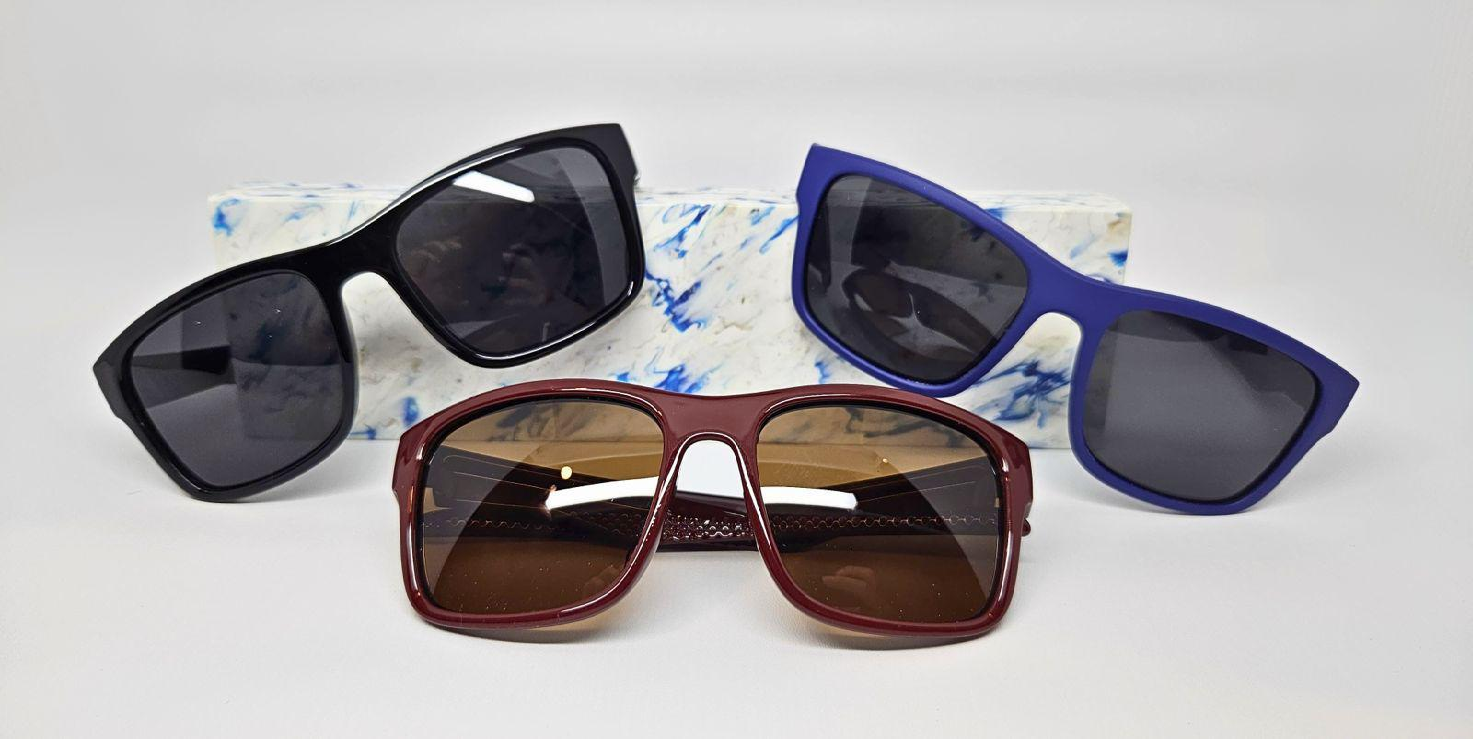
The brittleness issue in recycled eyewear stems from multiple factors rooted in material science and manufacturing processes. When plastic waste is collected, sorted, and reprocessed, the polymer chains degrade through exposure to UV light, heat, moisture, and mechanical stress. This degradation weakens the material's molecular structure, reducing its flexibility and impact resistance. Understanding these root causes enables manufacturers to implement targeted prevention strategies that maintain quality while embracing sustainable material practices.
Understanding Material Degradation in Recycled Acetate
Polymer Chain Breakdown During Recycling
Recycled acetate, one of the most common materials in sustainable eyewear production, undergoes significant stress during the recycling process. When post-consumer plastic waste is collected and ground into pellets, the polymer chains experience mechanical shearing that shortens their length. Shorter polymer chains result in reduced tensile strength and increased brittleness. The recycled acetate loses its original molecular cohesion, making frames more susceptible to cracking under normal wear conditions. This degradation is cumulative; multiple recycling cycles further exacerbate the brittleness problem, which is why virgin-recycled blends often perform better than fully recycled materials.
Environmental Exposure Before Reprocessing
Before reaching manufacturing facilities, collected rpet glasses and other plastic waste endure harsh environmental conditions. Exposure to sunlight, rain, temperature fluctuations, and oxygen causes oxidative degradation of the polymer structure. This pre-processing exposure weakens the material's baseline properties long before it enters production lines. Ocean plastic sunglasses face even more severe environmental exposure, absorbing saltwater, experiencing UV degradation, and undergoing thermal cycling that accelerates polymer chain breakdown. Manufacturers working with ocean plastic materials must recognize that these materials arrive at the facility already compromised compared to virgin plastic sources.
Manufacturing Process Variables and Brittleness
Heat Control and Injection Molding Challenges
Injection molding recycled eyewear frames requires precise temperature management to prevent additional thermal degradation. If processing temperatures are too high, the already-weakened polymer chains experience further breakdown, intensifying brittleness. Conversely, temperatures that are too low result in incomplete flow of the recycled acetate into mold cavities, creating internal stress points and weak zones. The heating cycles needed to melt and remold recycled materials also expose the plastic to oxidation, which further compromises molecular integrity. Controlling mold temperature, cooling rates, and holding pressure becomes critical when working with rpet glasses and other recycled materials, as these variables directly influence final frame flexibility and durability.
Moisture Content and Hydrolysis Risk
Moisture absorption is a major contributor to brittleness in recycled acetate and similar materials. If recycled plastic pellets are not properly dried before processing, residual water can trigger hydrolysis, a chemical reaction that cleaves polymer chains. This hydrolytic degradation weakens the material at the molecular level, resulting in frames that feel brittle and crack easily. Many manufacturers underestimate the importance of pre-drying recycled materials; virgin plastic typically arrives with lower moisture content, so the drying step is often less critical. For ocean plastic sunglasses and other recycled eyewear products, implementing robust drying protocols with desiccant dryers and controlled humidity storage is essential to prevent hydrolysis-induced brittleness.
Prevention Strategies and Quality Control Solutions
Additive Integration and Material Stabilization
One effective approach to preventing brittleness in recycled eyewear involves incorporating additives that restore flexibility and impact resistance. Plasticizers, impact modifiers, and chain extenders can be blended with recycled acetate during processing to improve molecular bonding and reduce crazing or cracking. UV stabilizers protect against further degradation during the product lifecycle, extending frame durability. Compatibilizers help recycled materials bond more effectively when blending virgin and recycled resins, creating stronger, more flexible frames. These additives must be carefully selected and dosed; excessive additives can compromise optical clarity or introduce discoloration, both unacceptable in eyewear manufacturing. Rpet glasses produced with properly formulated additive packages demonstrate significantly better impact resistance and longevity compared to unsupported recycled materials.
Blending Strategies and Material Composition Control
Mixing recycled content with virgin plastic in carefully controlled ratios is a proven method for maintaining acceptable brittleness performance. A blend of 30 to 50 percent recycled acetate combined with virgin material can preserve sustainability credentials while recovering lost mechanical properties. Ocean plastic sunglasses benefit particularly from strategic blending, as post-consumer ocean plastic often exhibits more severe degradation than terrestrial recycled plastic waste. Manufacturers must establish material specifications that define acceptable recycled content percentages for different product lines, considering factors like frame thickness, hinge design, and intended durability standards. Regular material testing ensures that batch-to-batch consistency is maintained and that brittleness does not exceed acceptable thresholds.
Processing Parameter Optimization and Monitoring
Implementing strict process controls significantly reduces brittleness in recycled eyewear production. Temperature monitoring systems, real-time moisture sensors on dryers, and injection molding parameter documentation create accountability throughout manufacturing. Cycle time optimization ensures that recycled materials experience minimal thermal exposure while still achieving complete mold fill. Pressure profiling during cooling helps relieve internal stresses that contribute to brittleness and crack initiation. Many facilities benefit from establishing process windows specific to recycled material batches rather than relying on settings optimized for virgin plastic. Regular audits of these parameters, combined with mechanical testing of sample frames, enable manufacturers to detect brittleness problems before large production runs proceed, reducing waste and rework costs.
FAQ
Why does recycled eyewear feel more brittle than regular plastic frames?
Recycled eyewear feels brittle because the polymer chains in recycled acetate and rpet materials undergo degradation during collection, sorting, reprocessing, and manufacturing. Environmental exposure before recycling, mechanical shearing in grinding processes, and thermal stress during injection molding all shorten and weaken polymer chains. This compromised molecular structure results in reduced flexibility, increased brittleness, and heightened susceptibility to cracking under normal wear or impact conditions.
Can ocean plastic sunglasses be manufactured without brittleness issues?
Yes, ocean plastic sunglasses can be manufactured with acceptable brittleness performance through proper material selection, additive integration, and strategic blending with virgin plastic. Ocean plastic materials require more aggressive pre-processing preparation, including thorough drying and stabilizer treatment, to counteract environmental degradation. Blending 50 percent or more virgin plastic with ocean plastic content, combined with impact modifiers and UV stabilizers, produces frames that meet durability standards while maintaining sustainability credentials.
What quality tests ensure recycled eyewear frames meet durability standards?
Manufacturers test recycled acetate and rpet glasses frames using impact resistance tests, drop tests, tensile strength measurements, and flex testing to verify brittleness has not exceeded acceptable limits. Chemical analysis determines moisture content, degree of polymerization, and polymer chain length to predict performance. Accelerated aging tests expose sample frames to UV light, heat, and humidity to simulate long-term durability. These comprehensive testing protocols ensure that recycled eyewear products, including ocean plastic sunglasses, deliver consistent quality and customer satisfaction despite the inherent challenges of working with recycled materials.



