
 EN
Common Compliance Gaps in Private Label Eyewear Product Labeling: Practical Quality Control Steps
Avoid FDA/CE fines and recalls: Discover the top 5 labeling compliance gaps in private label eyewear—and 4 actionable QC steps to fix them. Download checklist now.
Compliance failures in private label eyewear labeling represent one of the most overlooked yet costly risks in eyewear manufacturing and distribution. Whether you source white label glasses for retail channels or manage brand eyewear manufacturing directly, incorrect or incomplete labeling can trigger regulatory fines, product recalls, and reputational damage. This article explores the most common compliance gaps that occur during private label eyewear production and provides actionable quality control steps to prevent them.
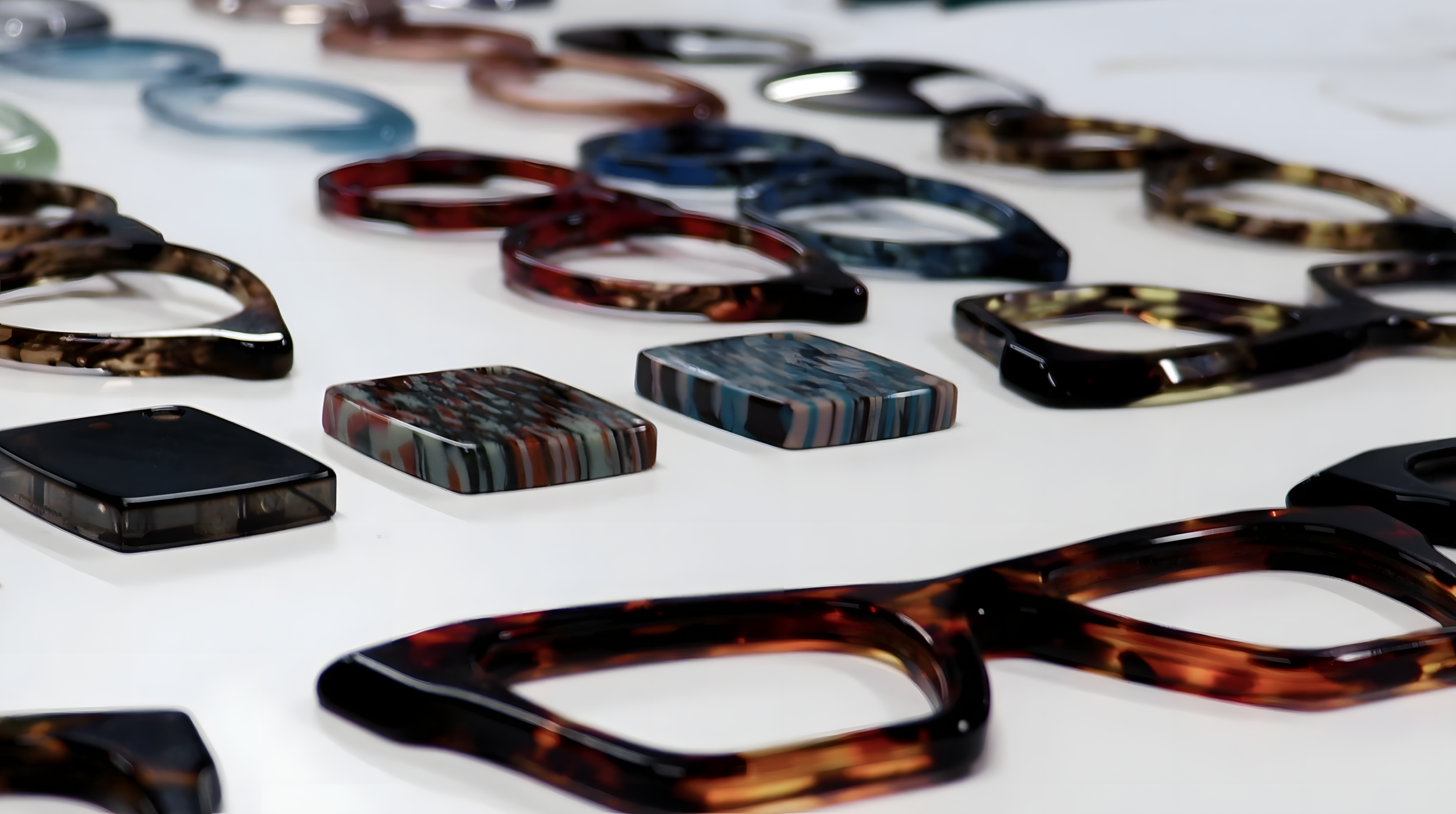
The eyewear industry operates under multiple regulatory frameworks including FDA standards in North America, CE marking requirements in Europe, and various regional health and safety codes. When working with eyewear ODM partners or managing internal white label glasses production, compliance oversight often falls between design, manufacturing, and distribution teams. Understanding these gaps and implementing systematic quality control prevents costly errors before products reach the market.
Understanding Common Labeling Compliance Gaps
Missing or Incomplete Safety Warnings and Instructions
Many private label eyewear manufacturers overlook the mandatory safety warnings and usage instructions required on labels. These include impact resistance ratings, UV protection claims, lens material composition, and care instructions. Brand eyewear manufacturing facilities frequently focus on aesthetic labeling while neglecting regulatory text placement and legibility requirements. The gap widens when eyewear ODM suppliers work across multiple regional markets, each with distinct labeling languages and technical specifications.
Safety warnings must be clearly visible, permanent, and written in languages appropriate to the distribution market. Regulations require specific font sizes, contrast ratios, and positioning that many white label glasses manufacturers miss during initial label design. When quality control teams perform only visual inspections without cross-referencing regulatory checklists, these omissions pass through to retail packaging.
Incorrect or Missing CE Markings and Regulatory Certifications
CE marking represents conformity with European Union health, safety, and environmental protection requirements. Many eyewear ODM operations apply CE marks without proper supporting documentation or third-party testing. This creates a critical gap where private label eyewear appears compliant but lacks the technical dossiers proving compliance. Additionally, some manufacturers apply incorrect CE marking fonts, sizes, or placements that fail to meet ISO 12984 standards for eyewear.
Brand eyewear manufacturing intended for European distribution requires full traceability of testing, material sourcing, and manufacturing controls. Quality control procedures must verify that CE documentation precedes labeling rather than following it. Eyewear ODM suppliers sometimes use template certificates without customizing them for specific product batches, creating regulatory exposure if authorities request evidence of conformity.
Critical Quality Control Implementation Steps
Establishing a Master Label Specification and Tracking System
Effective quality control begins with a centralized master specification document that defines all regulatory requirements for each product, market, and distribution channel. For white label glasses operations, this document must specify language requirements, mandatory warnings, font sizes, color codes, positioning coordinates, and material specifications. The system should track version history, approval dates, and regulatory sources to enable rapid updates when regulations change.
This specification becomes the reference standard for all eyewear ODM partners and internal manufacturing teams. Digital tracking systems should flag when labels are produced for specific markets, ensuring that products destined for North America carry FDA-compliant information while European shipments include CE documentation. For private label eyewear operations managing multiple brand customers, color-coded or barcoded tracking prevents cross-shipment errors where labels from one brand reach another brand's packaging.
Implementing Pre-Production Label Audits and Testing Protocols
Before any labels enter mass production, quality control teams must conduct thorough pre-production audits comparing proposed labels against regulatory requirements for each target market. This includes physical testing of label adhesion, durability, legibility under different lighting conditions, and resistance to moisture and chemicals. For white label glasses and brand eyewear manufacturing, this step often reveals font size violations, contrast ratio failures, or information hierarchy issues before costly tooling is ordered.
Eyewear ODM partners should provide samples of proposed labels alongside certificates of conformity and testing reports. Quality control procedures must verify that claims made on labels (such as UV protection percentages or impact resistance ratings) correspond to actual product specifications and independent test results. Many compliance gaps emerge when marketing departments create label copy without consulting quality assurance teams or regulatory specialists.
Developing In-Process and Final Inspection Checkpoints
During production, quality control teams must establish checkpoint inspections where labels are verified against the master specification at multiple stages. In-process inspections catch printing errors, positioning misalignments, and missing information before labels are applied to products. For private label eyewear manufacturing, this includes verifying that the correct label variation (by language, market, or certification status) reaches the correct production line.
Final inspection procedures should employ both automated scanning systems and manual verification by trained personnel. Random sampling of finished products should confirm that labels are properly adhered, fully legible, and complete with all required information. Eyewear ODM operations managing high-volume white label glasses production benefit from image recognition software that compares finished product labels against digital templates, flagging deviations in real time.
Building Sustainable Compliance Management Systems
Creating Regulatory Update Monitoring and Documentation Protocols
Compliance gaps often widen when organizations fail to track regulatory changes in their distribution markets. Brand eyewear manufacturing teams should subscribe to regulatory monitoring services, maintain relationships with industry associations, and schedule quarterly compliance reviews. For private label eyewear operations, this includes monitoring changes to FDA labeling requirements, EU directive updates, and regional import regulations that affect label content or format.
Documentation protocols should record when regulations are reviewed, how label specifications are updated, and which product batches are affected by changes. When eyewear ODM suppliers source materials or manufacturing processes, quality control systems must track whether these changes create new labeling obligations. This creates an audit trail proving due diligence if regulatory inspections occur, while also preventing gaps where old label designs continue circulating after regulatory updates.
Training Quality Control and Manufacturing Teams on Compliance Standards
Many compliance gaps stem from insufficient training rather than deliberate shortcuts. Quality control personnel managing white label glasses production must understand why specific requirements exist, what regulatory bodies enforce them, and what consequences follow violations. For private label eyewear teams, this training should cover FDA requirements, CE marking procedures, material safety data sheets, and optical performance testing standards.
Eyewear ODM operations benefit from structured training programs that educate design, manufacturing, and quality teams on how their individual responsibilities contribute to overall compliance. Role-specific training ensures that label designers understand regulatory positioning requirements, production teams know how to apply labels correctly, and inspection personnel can identify deviations. Regular refresher training and documented competency assessments create accountability and demonstrate commitment to compliance during regulatory audits.
FAQ
What are the most critical pieces of information that must appear on white label glasses labels?
Essential label information includes lens material and thickness, impact resistance rating, UV protection percentage or category, manufacturer name and contact information, warnings about use restrictions, care and cleaning instructions, and appropriate regulatory marks (CE marking, FDA compliance statements, or country-specific certifications). Language requirements vary by market, so private label eyewear distributed internationally must include translations meeting local standards. The layout and font sizes are also regulated, requiring specific positioning and minimum character heights to ensure legibility.
How can eyewear ODM suppliers help brands maintain compliance throughout production?
Reputable eyewear ODM partners maintain updated regulatory compliance documentation, provide certificates of conformity with test reports, and work collaboratively during label design review processes. They should conduct in-process quality checks, provide pre-production label samples for approval, and maintain traceability systems linking finished products to their corresponding labels and certifications. For brand eyewear manufacturing, selecting eyewear ODM suppliers who employ dedicated quality control teams familiar with multi-market regulatory requirements significantly reduces compliance gaps and accelerates time to market.
How often should private label eyewear compliance procedures be audited and updated?
Compliance audits should occur at least quarterly or whenever regulations change, materials are sourced from new suppliers, or product designs are modified. Annual comprehensive audits should review all label specifications, test documentation, training records, and manufacturing procedures against current regulatory requirements. For white label glasses operations managing multiple brands or distribution channels, more frequent audits prevent drift where different product lines inadvertently use outdated specifications or inconsistent labeling standards across markets.



