
 EN
Minimum Order Quantity Factors in Custom Sunglasses Projects: A Technical Guide for Eyewear Buyers
Discover how tooling, materials, lens specs & strategy impact minimum order quantity—and how to negotiate smarter. Download guide.
Minimum order quantity, or MOQ, represents one of the most critical technical and business factors when planning a custom sunglasses project. For eyewear buyers managing branded sunglasses or promotional sunglasses campaigns, understanding MOQ dynamics directly impacts project feasibility, unit cost, inventory planning, and overall profitability. This technical guide examines the core factors that determine MOQ requirements, how they influence OEM sunglasses sourcing decisions, and practical strategies for optimizing your ordering approach.
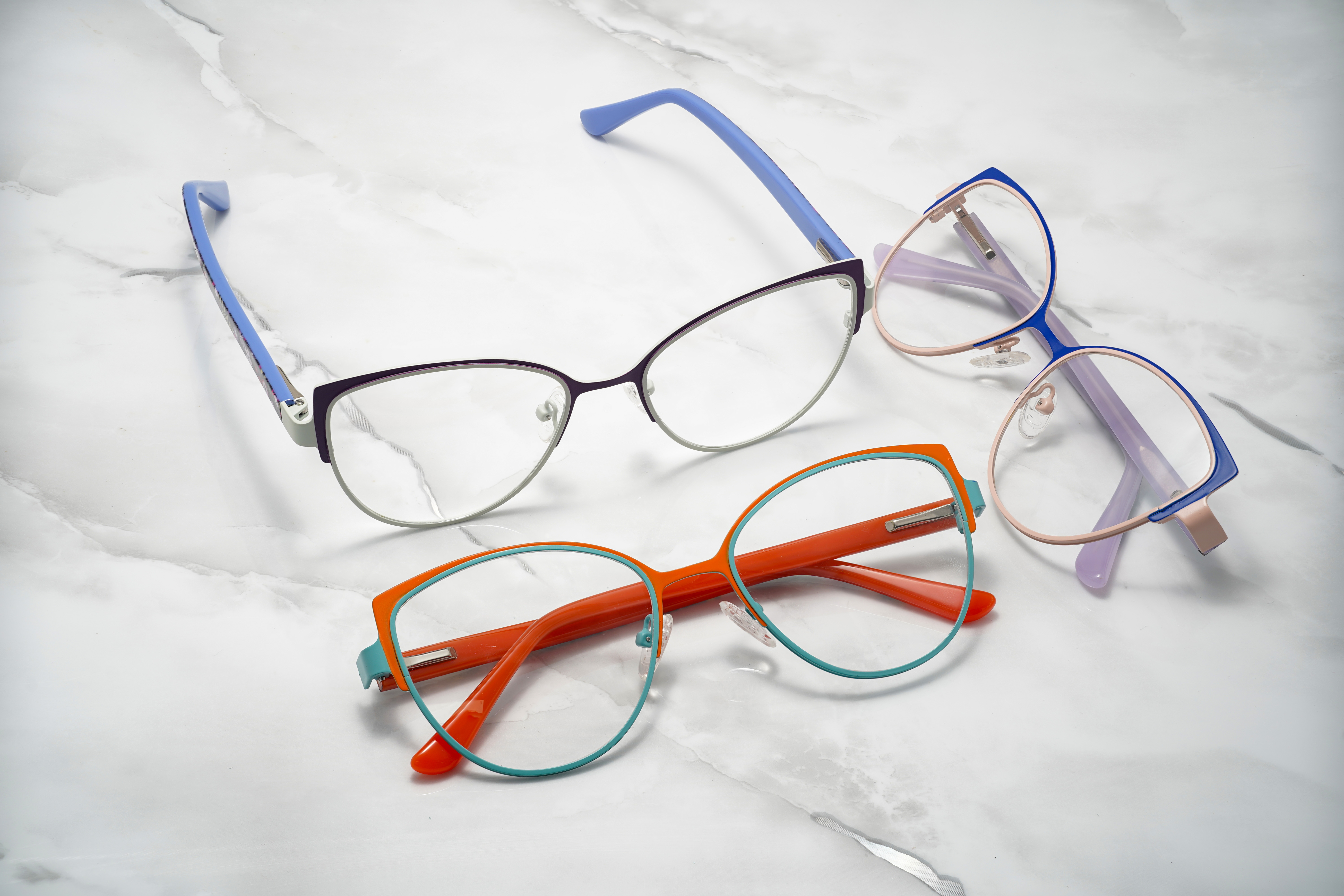
The relationship between MOQ and your eyewear sourcing strategy shapes everything from design complexity to delivery timelines. Whether you are developing promotional sunglasses for a corporate event, managing a branded sunglasses collection, or evaluating OEM sunglasses customization options, MOQ thresholds directly affect your manufacturing partner's ability to optimize production runs, manage tooling costs, and deliver competitive pricing. This guide provides the technical insights you need to negotiate effectively and plan realistically.
Core Factors That Determine Minimum Order Quantity
Production Economics and Tooling Requirements
Minimum order quantities for custom sunglasses are fundamentally driven by the economics of eyewear manufacturing. When you commission OEM sunglasses with custom specifications, your manufacturer must invest in tooling, molds, dies, and production setup. These fixed costs apply regardless of whether you order 500 units or 5,000 units. Manufacturers establish MOQ thresholds to spread these tooling investments across a sufficient production volume, ensuring unit economics remain viable for both parties.
For branded sunglasses with custom lens coatings, frame colors, or logo placement, tooling complexity increases. The depth of customization directly influences MOQ minimums. A simple color variation on stock promotional sunglasses typically carries a lower MOQ than fully custom acetate frames with polarized lenses and integrated branding. Manufacturers calculate the breakeven point where per-unit production cost justifies the upfront tooling expense, and they set MOQ accordingly.
Material Sourcing and Supply Chain Coordination
Raw material procurement represents another critical MOQ factor for promotional sunglasses and OEM sunglasses production. Frame materials, lens blanks, hinges, screws, and coating components must be ordered from component suppliers in economical quantities. Your eyewear manufacturer typically purchases these materials in bulk to achieve material cost efficiency, then allocates those bulk quantities across multiple customer orders. If your custom sunglasses order falls below a certain threshold, your manufacturer cannot efficiently distribute material costs across the production run.
Supply chain coordination also affects branded sunglasses MOQ requirements. Manufacturers must synchronize deliveries from multiple component suppliers to match your project timeline. Smaller orders disrupt production scheduling and increase coordination overhead. By establishing a minimum order quantity for custom sunglasses, manufacturers can batch orders efficiently and maintain stable supplier relationships while managing cash flow and inventory risk.
Technical Specifications and Design Complexity Impact
Lens Coating and Customization Depth
The technical specifications you select for custom sunglasses significantly influence MOQ thresholds. Polarized lens treatments, UV protection upgrades, gradient tinting, mirror coatings, or prescription-grade lens options each require specific manufacturing equipment and process validation. OEM sunglasses with premium lens coatings typically carry higher MOQ minimums because production equipment must be dedicated to coating application, testing, and quality verification. Promotional sunglasses with standard solar lenses may feature lower MOQs because production processes are streamlined and standardized.
Custom sunglasses with multi-layer lens treatments require longer production cycles and more rigorous quality control. Your manufacturer's equipment utilization directly affects pricing and MOQ calculations. When you select fewer customization layers, your branded sunglasses project becomes compatible with shorter production runs and potentially lower MOQ thresholds. This represents an important negotiation point: simplifying specifications can unlock smaller order viability.
Frame Material and Manufacturing Method
Frame material selection—acetate, metal, bio-based polymer, or hybrid constructions—determines the manufacturing processes required for your OEM sunglasses. Acetate frames involve injection molding, finishing, and hand assembly. Metal frames require metal stamping, welding, plating, and assembly. Each manufacturing method carries distinct tooling costs and production batch economics. Custom sunglasses manufactured through injection molding typically require higher MOQ thresholds because mold creation represents a significant capital expense. Your manufacturer amortizes mold costs across minimum production volumes to maintain economic viability.
Promotional sunglasses featuring standardized frame designs manufactured through established production lines may accommodate lower MOQs because tooling infrastructure already exists. Branded sunglasses with proprietary frame designs or unique hinge mechanisms trigger custom tooling requirements and correspondingly higher MOQ minimums. Understanding your frame material and manufacturing method provides concrete context for MOQ negotiations with OEM sunglasses suppliers.
Commercial and Strategic Ordering Considerations
Inventory Management and Demand Forecasting
Beyond manufacturing factors, your business strategy and inventory capacity directly interact with MOQ decisions for custom sunglasses. Branded sunglasses collections require accurate demand forecasting because excess inventory ties up capital and storage space. Your OEM sunglasses supplier may offer flexible MOQ options, volume discounts, or staged delivery schedules that align with your inventory management preferences. Promotional sunglasses campaigns often operate under compressed timelines with higher demand certainty, allowing larger MOQ orders that are economically justified by fast inventory turnover.
Successful eyewear buyers recognize that MOQ represents an investment decision, not merely a supplier requirement. Custom sunglasses projects with seasonal demand patterns benefit from negotiating lower MOQ minimums or split shipments across multiple production cycles. This approach reduces inventory risk while maintaining production efficiency for your manufacturer. Discuss your inventory capacity, warehouse constraints, and cash flow timing when negotiating MOQ thresholds for branded sunglasses or OEM sunglasses orders.
Volume Commitments and Long-Term Relationships
Manufacturers often differentiate MOQ thresholds based on order history and relationship commitments. If you are establishing a long-term branded sunglasses partnership with a supplier, demonstrating multi-order volume commitments can justify reduced MOQ minimums on initial custom sunglasses projects. Your OEM sunglasses partner may accept a lower first-order MOQ in exchange for volume commitments across multiple seasons or product variations. Promotional sunglasses projects often benefit from this approach because corporate clients frequently repeat campaigns across multiple years or business units.
Frame this conversation strategically: clarify your total anticipated volume across multiple orders, discuss your growth trajectory, and propose a partnership approach rather than transactional ordering. Experienced eyewear suppliers recognize that accommodating reasonable MOQ flexibility on custom sunglasses projects often leads to larger total volumes, improved profit margins, and valuable long-term customer relationships. Negotiate not just the first order but the framework for future branded sunglasses collaboration.
FAQ
What is the typical minimum order quantity for promotional sunglasses?
Promotional sunglasses typically feature MOQ thresholds ranging from 500 to 2,000 units, depending on frame complexity, lens customization, and your manufacturer's production capabilities. Standard designs with basic branding accommodate lower MOQs, while proprietary designs or advanced lens treatments require higher minimums. Custom sunglasses with premium OEM sunglasses specifications may push minimums toward 3,000 to 5,000 units. Your specific requirements, material choices, and supplier relationship determine the exact threshold for your branded sunglasses project.
How can I reduce MOQ requirements for custom sunglasses orders?
Reducing MOQ for custom sunglasses involves several strategic approaches. First, simplify lens and frame specifications to minimize custom tooling. Second, consider stock frame designs that allow flexible color or branding customization, reducing OEM sunglasses tooling complexity. Third, commit to multi-order volume arrangements where smaller individual MOQs are acceptable within a larger annual commitment. Fourth, explore shared tooling opportunities where your branded sunglasses design shares components with other suppliers' products. Finally, negotiate payment terms or delivery schedules that provide your manufacturer with better cash flow predictability, sometimes justifying lower MOQ thresholds for promotional sunglasses projects.
Does material selection affect minimum order quantities for custom sunglasses?
Yes, material selection directly influences MOQ thresholds for custom sunglasses. Acetate frames typically require higher MOQs due to injection molding tooling costs, while metal frames may feature different MOQ economics depending on the specific metal alloy and construction method. OEM sunglasses manufactured from established stock materials accommodate lower MOQs than proprietary material innovations. Branded sunglasses with standard polycarbonate lenses and simple frame designs typically feature lower MOQs than premium materials like bio-acetate or specialty lens coatings. Always discuss material implications when negotiating MOQ for custom sunglasses or promotional sunglasses orders.



