
 EN
How Mold Development Affects Custom Sunglasses Lead Times: Manufacturing Considerations for OEM/ODM Projects
How mold design, material choice, and validation impact custom sunglasses timelines. Avoid delays—optimize your OEM/ODM project schedule now.
Manufacturing custom sunglasses involves complex production workflows, and mold development represents one of the most critical factors affecting your project timeline. For OEM and ODM manufacturers, understanding the relationship between mold design, fabrication processes, and overall lead times is essential to meeting market deadlines and managing client expectations. The mold serves as the foundation for every frame produced, making its development stage a decisive bottleneck in the manufacturing cycle.
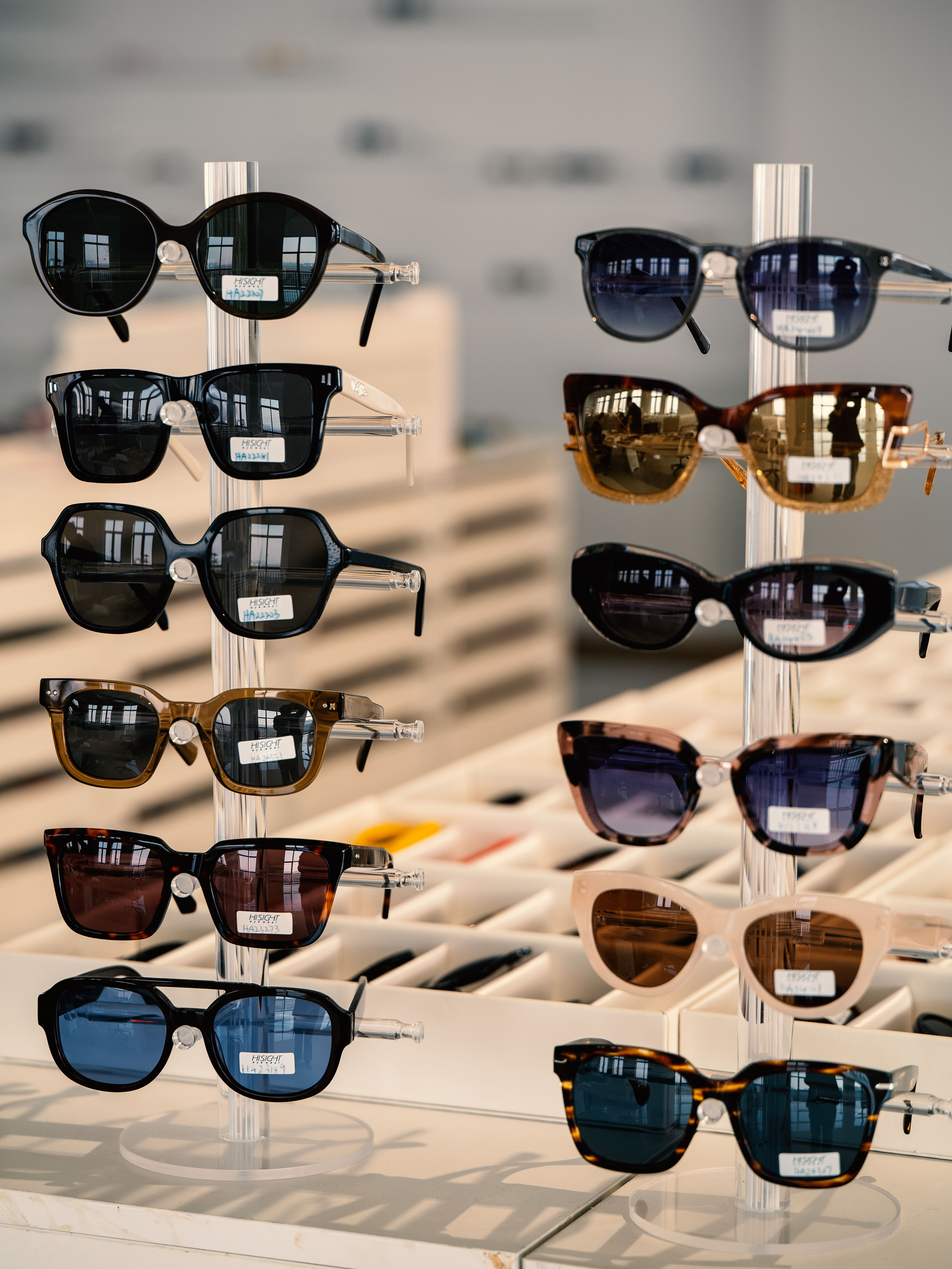
When you commission OEM sunglasses or ODM eyewear projects, mold development timelines typically range from four to twelve weeks, depending on complexity, material selection, and design specifications. This phase encompasses design validation, prototype testing, tooling refinement, and final mold hardening. Delays in mold production cascade directly into frame production, assembly, quality inspection, and final delivery stages. A comprehensive understanding of these manufacturing considerations helps brands, wholesalers, and distributors plan realistic project schedules and allocate resources efficiently.
Understanding Mold Development in Sunglasses Manufacturing
The Role of Mold Design in Production Efficiency
Mold design is not merely a technical specification; it fundamentally determines production capacity, frame consistency, and cost structure. When designing molds for promotional sunglasses or branded sunglasses lines, engineers must balance aesthetic requirements with manufacturing feasibility. Complex frame geometries, integrated hinge systems, or unique color applications require more sophisticated mold architecture. The initial design phase alone can consume two to three weeks, during which engineers create CAD models, conduct stress analyses, and validate dimensional tolerances against final product specifications.
Material Selection and Mold Fabrication Timeline
The choice of mold material directly influences fabrication duration and overall lead times. Steel molds, preferred for high-volume branded sunglasses and OEM sunglasses production, require precision machining and hardening processes that extend timelines by three to five weeks. Aluminum molds, suitable for lower-volume promotional sunglasses orders, can be fabricated more rapidly but offer shorter operational lifespans. Once material selection is finalized, CNC machining, cavity finishing, and heat treatment processes proceed sequentially, creating unavoidable manufacturing wait periods that compound lead time pressure.
Key Manufacturing Considerations for OEM and ODM Projects
Design Complexity and Mold Iterations
Design complexity is a primary driver of mold development delays. Branded sunglasses featuring multiple color combinations, textured surfaces, or integrated logo applications require more detailed mold cavities and enhanced cooling channel systems. OEM sunglasses projects often involve client-specific modifications, necessitating mold adjustments and prototype validation rounds. Each design revision typically adds two to three weeks to the timeline. Manufacturers must establish clear design approval protocols upfront to minimize iterative changes and associated delays during mold fabrication.
Prototype Testing and Validation Processes
Before full-scale production begins, manufacturers produce trial samples from preliminary molds to validate dimensional accuracy, surface finish, and functional performance. This testing phase is critical for custom sunglasses production, as it identifies design flaws, material incompatibilities, or manufacturing issues before expensive production tooling is finalized. Prototype samples typically require one to two weeks for production and inspection. Feedback-driven modifications may necessitate mold cavity adjustments, potentially extending lead times by an additional one to two weeks. For branded sunglasses and promotional sunglasses lines, this validation step is non-negotiable, as early corrections prevent costly production errors later.
Mold Hardening and Final Preparation
Following cavity machining and initial testing, molds undergo hardening treatments to enhance durability and extend their operational lifespan. Heat treatment processes, tempering, and precision finishing require controlled environments and specialized equipment, consuming approximately two to three weeks. This final preparation phase is essential for maintaining consistent frame quality across production runs. Manufacturers cannot begin full production until molds are fully hardened and certified ready, making this stage a critical timeline constraint that directly impacts delivery schedules for OEM and ODM projects.
Optimizing Lead Times Within Realistic Parameters
Strategic Planning and Early Design Approval
Successful lead time management for custom sunglasses begins with clear communication and early design approval. Clients should provide detailed specifications, including dimensional requirements, material preferences, color options, and branding elements, before mold development commences. OEM sunglasses manufacturers benefit from establishing standardized design templates that reduce design work and accelerate approval cycles. Promotional sunglasses projects can leverage existing mold libraries for common frame styles, significantly compressing timelines. Building design review and approval milestones into project schedules ensures stakeholders maintain visibility and avoid costly revisions during mold fabrication.
Parallel Processing and Concurrent Development
Advanced manufacturers use concurrent development strategies to overlap certain mold-related activities. While detailed cavity machining proceeds, manufacturers can finalize material specifications, organize quality inspection protocols, and prepare assembly line configurations. For branded sunglasses lines with long production runs, initiating secondary tool design or lens configuration work during mold hardening phases saves overall timeline without increasing risk. This parallel approach requires skilled project coordination but can reduce total lead time by one to two weeks for complex OEM sunglasses or promotional sunglasses orders.
Risk Mitigation and Contingency Planning
Mold development inherently carries risks including design oversights, material defects, or equipment delays. Experienced manufacturers maintain contingency buffers and backup supplier relationships to mitigate disruptions. For critical branded sunglasses or custom sunglasses projects, some manufacturers preposition backup molds or maintain semi-finished tooling that can be rapidly adapted. Quality assurance protocols, preventive equipment maintenance, and staged mold delivery strategies help manufacturers honor aggressive OEM and ODM project schedules while maintaining product integrity.
FAQ
How much time does mold development typically require for custom sunglasses projects?
Mold development for custom sunglasses generally requires four to twelve weeks, depending on design complexity, frame geometry, and material selection. Simple frame designs using standard materials may complete in four to six weeks, while intricate branded sunglasses or OEM sunglasses featuring custom hinge systems, integrated branding, or complex color applications can extend to ten to twelve weeks. Manufacturers should communicate expected timelines clearly during project initiation to ensure client expectations align with production realities.
Can mold development timelines be compressed for urgent OEM sunglasses orders?
Limited compression is possible through concurrent development, accelerated material sourcing, and extended production hours, but fundamental manufacturing constraints cannot be bypassed. Promotional sunglasses with simple designs and minimal customization compress more readily than complex custom sunglasses projects. Rushing mold development risks quality issues, dimensional errors, and costly production delays later. Manufacturers recommend establishing realistic timelines upfront rather than attempting aggressive acceleration that may compromise product quality or project delivery.
What design decisions most significantly impact mold lead times for branded sunglasses?
Design decisions with the greatest timeline impact include frame material selection, hinge mechanism complexity, integrated logo placement, color application methods, and dimensional tolerances. Aluminum frames generally facilitate faster mold development than titanium or acetate materials. Simple two-part frame designs require less intricate tooling than adjustable-fit systems. Branded sunglasses requiring precise logo positioning or multi-color surface finishes demand more sophisticated mold cavity design and extended hardening processes. Designers should consult with manufacturing partners early to identify features that materially extend lead times and explore simplified alternatives where feasible.



