
 EN
Writing Clear Specifications in Custom Eyewear Briefs: Practical Quality Control Steps
This guide reveals 7 practical quality control steps to write bulletproof custom eyewear briefs. Boost precision, cut revisions & ensure OEM compliance.
Writing detailed and precise specifications for custom eyewear briefs is essential for successful bespoke glasses production. When you communicate requirements clearly to manufacturers, you eliminate misunderstandings, reduce costly revisions, and ensure the final product meets your exact vision. Whether you're a designer, retailer, or brand manager, mastering the art of specification writing directly impacts your project's timeline, cost, and quality outcomes.
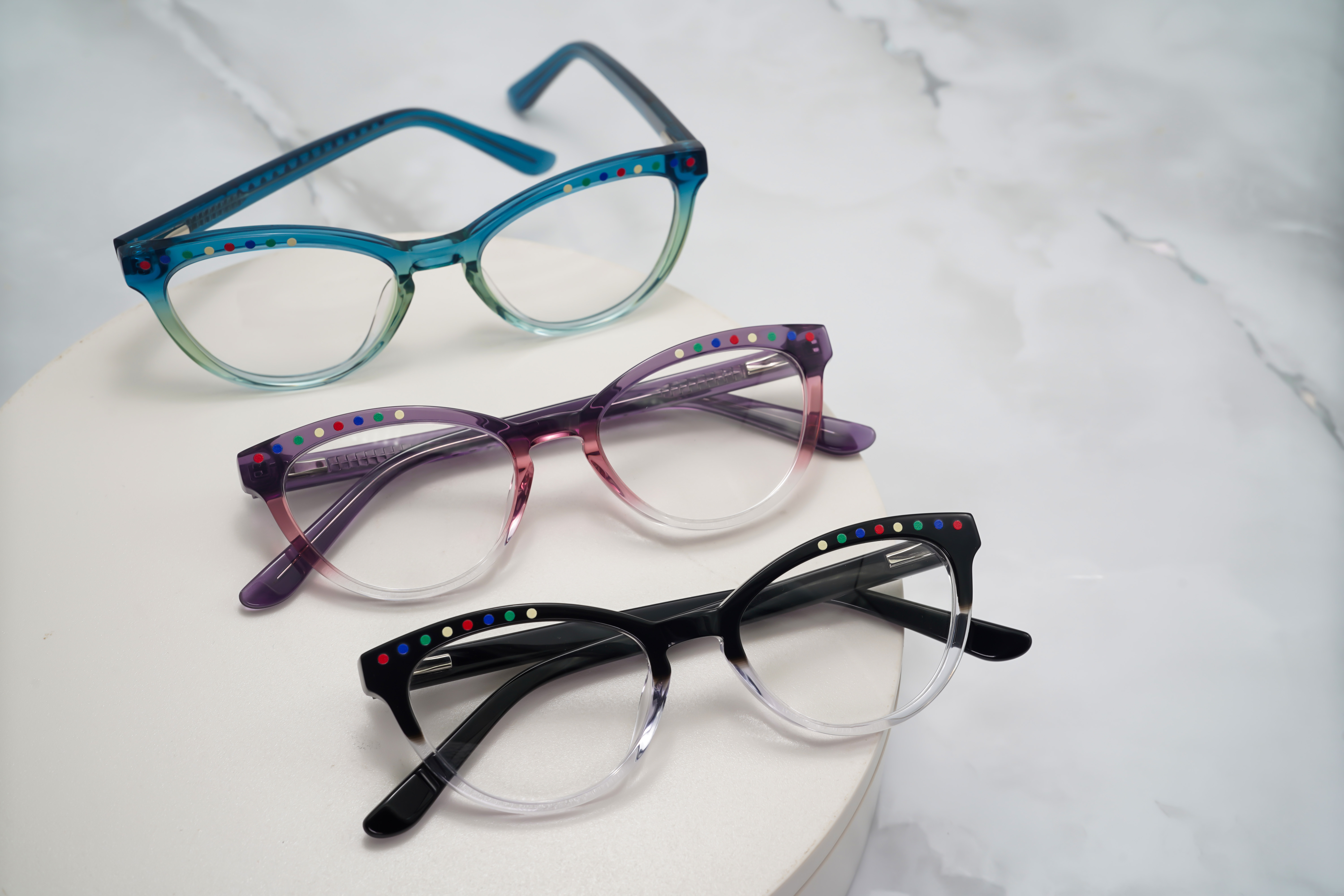
The specification brief is your conversation tool between vision and manufacturing reality. A well-structured brief prevents ambiguity, sets clear expectations, and allows your custom frame manufacturing partner to deliver consistently high-quality results without constant back-and-forth clarifications.
Understanding the Foundation of Effective Specifications
Why Precision Matters in Bespoke Glasses Design
Bespoke glasses production demands absolute clarity because each frame is unique. Unlike mass-produced eyewear, custom eyewear requires individualized attention to detail. When specifications lack precision, manufacturers may interpret ambiguous instructions differently, leading to frames that don't fit properly, have incorrect measurements, or deviate from your intended aesthetic. This reality makes comprehensive specification documentation non-negotiable for OEM eyewear manufacturers and their clients.
Clear specifications also establish accountability. Both parties have documented reference points to validate quality. If issues arise, you can trace them back to specification gaps rather than blame manufacturing capability. This collaborative approach strengthens relationships with your custom frame manufacturing suppliers and improves future iterations.
The Business Impact of Specification Clarity
Poor specifications cost money and time. Rework requests, material waste, and production delays accumulate quickly when initial briefs are vague. By investing effort upfront in detailed specification writing, you reduce revision cycles, accelerate delivery timelines, and protect your project budget. OEM eyewear partnerships thrive when clear communication reduces friction at every production stage.
Core Elements of a Professional Custom Eyewear Specification Brief
Visual and Dimensional Documentation
Every custom eyewear brief must include precise visual references and measurable dimensions. Provide technical drawings, 2D sketches, and 3D renderings if available. Specify bridge width, temple length, lens height, and frame width in millimeters. Include detailed photographs from front, side, and top angles to show your intended design. When describing bespoke glasses aesthetics, use industry terminology correctly. Specify material finishes, color codes, and texture requirements with exact Pantone or RAL values rather than subjective terms like 'dark' or 'shiny.'
Dimensional accuracy is paramount for custom frame manufacturing. Include tolerance ranges where appropriate, noting acceptable variation margins. State whether measurements are fixed or flexible for specific components. This level of detail ensures your manufacturer interprets your vision consistently, reducing the likelihood of frames that don't meet your specifications.
Material and Manufacturing Specifications
Clearly define all material choices for your custom eyewear project. Specify whether frames will be acetate, titanium, stainless steel, or other materials. Detail any surface treatments, coatings, or finishes required. For bespoke glasses, indicate hinge type, screw specifications, lens mounting method, and hardware details. OEM eyewear briefs should include information about temple construction, nose pad type, and any special functional requirements like adjustability or durability standards.
Material specifications also address sustainability and compliance. Mention any regulatory requirements, such as UV protection standards, lead-free coatings, or region-specific eyewear regulations. For custom frame manufacturing partners, clear material documentation prevents sourcing errors and ensures consistent quality across production batches.
Quality Control and Testing Standards
Your specification brief must outline expected quality benchmarks and testing protocols. Define acceptable tolerances for dimensions, finish quality, color consistency, and functionality. Specify which frames will undergo full quality inspection and which will use sampling methods. For bespoke glasses, document lens fitment precision, hinge durability requirements, and any specific stress tests required. OEM eyewear manufacturers benefit from explicit quality checkpoints that guide their inspection processes at each production stage.
Include packaging and presentation standards in your specifications. Describe how custom eyewear should be packaged, labeled, and documented for delivery. Quality control extends beyond manufacturing into how the product reaches your customer, and clear packaging specifications prevent last-minute surprises.
Implementing Practical Quality Control Steps in Your Brief
Establishing Inspection Protocols and Documentation
Effective quality control begins with a detailed inspection protocol embedded in your custom eyewear specification brief. Specify which measurements will be verified for every frame produced. Define acceptable variation ranges for each critical dimension. For bespoke glasses production, identify which features require 100% inspection versus statistical sampling. OEM eyewear manufacturers should receive clear instruction on how to document inspection results, what records to maintain, and how to communicate quality findings back to your team.
Create a checklist format within your specification brief. This checklist should cover visual appearance, dimensional accuracy, material quality, functional testing, and packaging. Provide reference samples if possible, showing acceptable versus unacceptable finishes. For custom frame manufacturing, reference samples serve as objective standards that eliminate subjective interpretation.
Communication Protocols and Issue Resolution
Your specification brief should include a communication framework for quality issues. Define how deviations from specifications will be reported and by whom. Specify response timelines for quality concerns and decision-making processes for handling non-conforming bespoke glasses. Establish escalation paths for critical issues that could delay delivery or compromise the final product quality.
Include contact information for technical clarification. Designate a primary point of contact responsible for interpretation of specifications. For custom eyewear projects spanning weeks or months, regular communication check-ins should be scheduled. This approach transforms your specification brief from a static document into a living quality management tool that supports continuous improvement throughout the custom frame manufacturing process.
Continuous Improvement and Documentation
As OEM eyewear production progresses, document all deviations, adjustments, and lessons learned. Keep detailed records of what worked well and what required modification. This documentation becomes invaluable for future bespoke glasses projects with the same manufacturer. Over time, you build institutional knowledge about your custom eyewear manufacturing partner's capabilities, constraints, and optimization opportunities.
Maintain a version history of your specification briefs. When you update requirements for subsequent production runs, track what changed and why. This historical perspective helps prevent repeating mistakes and accelerates future custom eyewear projects. Regular review meetings with your manufacturing partner ensure ongoing alignment and continuous refinement of your specification process.
FAQ
What should be included in a custom eyewear specification brief?
A comprehensive custom eyewear specification brief includes technical drawings with precise dimensions, material specifications, finish and color details, visual references, quality control standards, tolerance ranges, testing requirements, packaging instructions, and communication protocols. For bespoke glasses and custom frame manufacturing, include hinge types, lens mounting methods, hardware specifications, and any region-specific regulatory requirements. The brief should serve as a complete reference document that eliminates ambiguity and prevents misinterpretation during production.
How do I ensure OEM eyewear manufacturers meet my quality standards?
Embed explicit quality control protocols directly into your specification brief. Define measurable inspection criteria, acceptable tolerance ranges, and testing procedures. Require documented evidence of quality checks at each production stage. Establish clear communication channels for reporting deviations and resolving issues promptly. Request reference samples before full production to validate your expectations. Regular audits and feedback loops with your custom frame manufacturing partner ensure ongoing compliance with your bespoke glasses quality standards.
Can poor specifications affect the cost of custom eyewear production?
Yes, significantly. Vague or incomplete specifications lead to revisions, rework, material waste, and production delays, all of which increase costs. When your bespoke glasses brief is unclear, manufacturers may need to stop production to seek clarification, freezing timelines and adding labor expenses. Conversely, clear, detailed specifications enable efficient custom frame manufacturing with minimal rework, faster delivery, and better cost control. Investment in precision specification writing upfront delivers measurable savings throughout the entire custom eyewear production process.



