
 EN
Custom Molds vs Existing Molds for Eyewear: Key Differences for Buyers
Compare design control, lead times, costs, MOQs & quality for smarter B2B procurement decisions. Download comparison guide.
The eyewear industry presents buyers with a fundamental choice: investing in custom eyewear solutions or selecting from existing mold inventories. This decision shapes production timelines, design flexibility, manufacturing costs, and ultimately the competitive value of your final product. Understanding the distinction between these approaches is essential for retailers, distributors, and brands navigating wholesale eyewear procurement. Custom frame manufacturing offers unprecedented design control, but existing molds provide speed and lower entry barriers. The right choice depends on your market positioning, order volume, budget constraints, and time-to-market requirements.
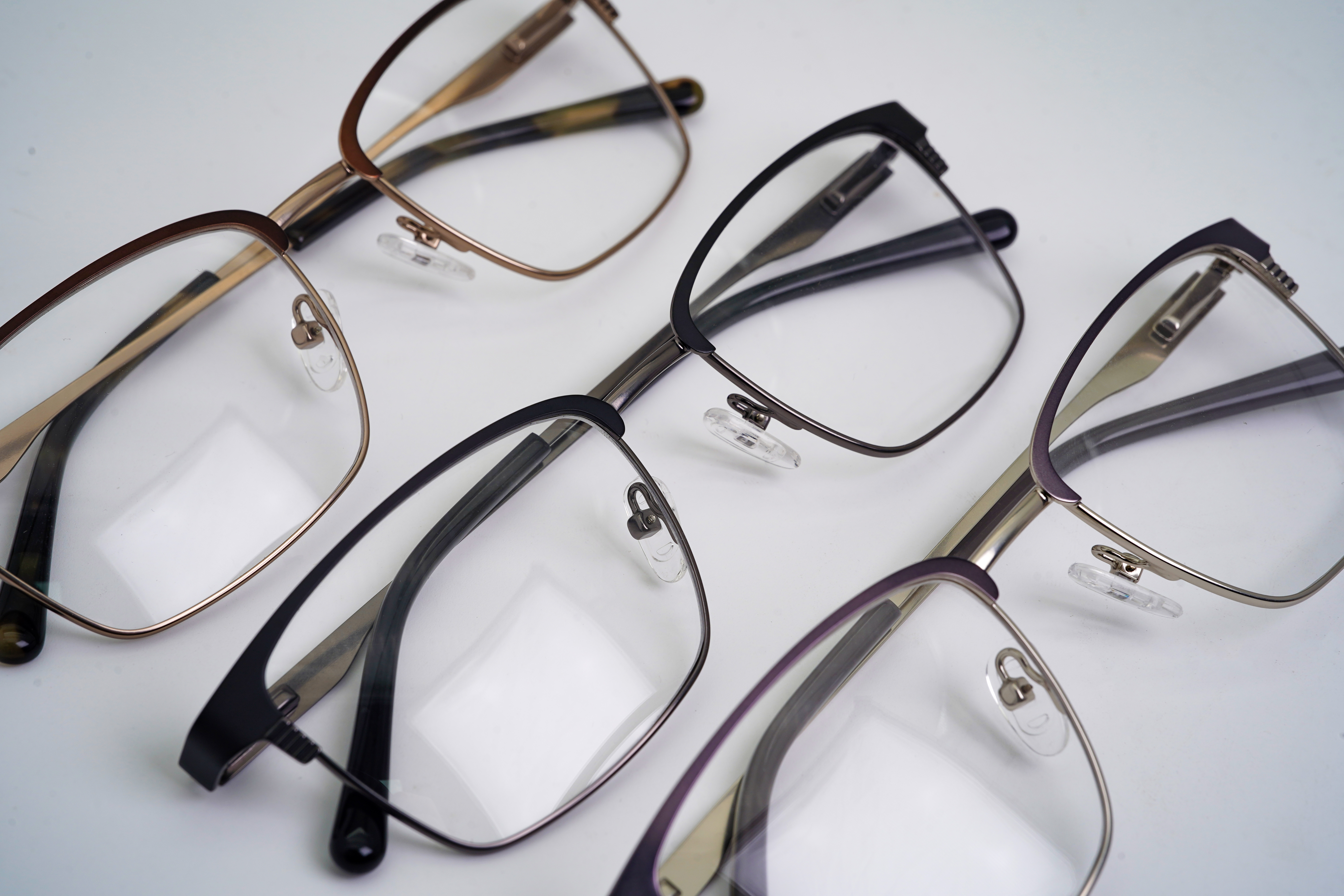
Bespoke glasses represent a tailored manufacturing approach where every design element—from bridge width to temple length, material composition, and aesthetic styling—is engineered specifically for your brand vision. In contrast, existing mold solutions draw from pre-developed frame designs, materials, and production tooling already established by manufacturers. While both pathways deliver eyewear products, their underlying economics, quality implications, and strategic applications differ substantially. This guide examines the core differences, helping you evaluate which model aligns with your business objectives and competitive strategy.
Design Flexibility and Brand Differentiation
Custom Frame Manufacturing Advantages
Custom frame manufacturing grants complete creative autonomy. Your design team can specify exact proportions, material blends, hinge mechanisms, color gradations, and embellishment patterns without constraint. This capability enables oem eyewear production that reflects your unique brand identity rather than conforming to generic templates. Bespoke glasses allow you to innovate in areas competitors cannot easily replicate, whether that involves proprietary temple structures, distinctive color palettes, or advanced material integration. For premium brands seeking market differentiation, this control is invaluable.
Existing Mold Constraints and Benefits
Existing molds restrict design customization to predefined parameters. Manufacturers have already engineered the frame geometry, material specifications, and production processes. Your options typically involve selecting from available frame shapes, standard material options, and approved finishing colors. While this limits bespoke glasses opportunities, it actually reduces technical complexity and accelerates production scheduling. Existing molds are ideal for brands comfortable with established aesthetic standards or those prioritizing speed-to-market over radical design innovation. Oem eyewear from existing molds still permits branding through logos, packaging, and lens treatments.
Production Timeline and Cost Implications
Lead Time Considerations
Custom eyewear production timelines extend significantly due to tooling development. Manufacturers must design molds, create prototypes, conduct testing, and implement design iterations before full-scale manufacturing begins. This process typically requires 12 to 20 weeks, depending on design complexity and material selection. Existing mold solutions compress timelines dramatically because tooling infrastructure already exists. Bespoke glasses production starts directly with material procurement and assembly, often completing within 4 to 8 weeks. For retailers facing seasonal demand windows or rapid trend cycles, existing mold eyewear provides essential agility.
Unit Cost and Investment Structure
Custom frame manufacturing requires substantial upfront tooling investment, typically ranging from $5,000 to $25,000 depending on design complexity and material type. These initial costs distribute across production units, meaning per-unit pricing becomes competitive only at higher order volumes—usually 500 units or more. Smaller brands or retailers testing new frame designs face prohibitive economics with custom eyewear. Existing molds eliminate tooling costs entirely, enabling oem eyewear procurement at competitive per-unit pricing even for orders of 50 to 100 frames. This accessibility makes existing mold options attractive for emerging brands, independent retailers, and businesses with limited capital.
Quality, Material Innovation, and Technical Control
Material Specification and Advanced Integration
Custom eyewear enables manufacturers to source specialty materials and integrate advanced technologies. Whether you require lightweight titanium alloys, bio-based thermoplastics, or proprietary lens-mounting systems, custom frame manufacturing accommodates material specifications precisely aligned with your product vision. Bespoke glasses manufacturers can engineer solutions for specific performance requirements—enhanced durability, superior optical alignment, or sustainability certifications. This technical depth supports brands targeting premium segments or specialized applications where standard eyewear falls short. Oem eyewear production using existing molds restricts material choices to what manufacturers have already qualified and sourced.
Consistency and Quality Assurance
Existing mold production achieves remarkable consistency because the manufacturing process is thoroughly refined through years of repetition. Quality control procedures are established, material batches are predictable, and production variability is minimized. Custom eyewear, particularly in early production batches, may exhibit higher variability as manufacturers optimize new processes and resolve unexpected technical challenges. Bespoke glasses represent innovation, which inherently carries quality-refinement timelines. Conversely, oem eyewear from proven molds delivers predictable quality because the design and process foundations are mature. For supply chains prioritizing zero-defect operations, existing molds provide greater confidence in consistency.
FAQ
What is the minimum order quantity for custom eyewear versus existing molds?
Custom eyewear typically requires minimum orders of 500 to 1,000 units to justify tooling investment and achieve reasonable per-unit pricing. Some manufacturers accept lower volumes at significant price premiums. Existing molds generally accommodate minimum orders of 50 to 100 units at standard wholesale pricing. Bespoke glasses orders below 500 units are economically challenging, whereas oem eyewear from existing molds remains accessible for smaller retailers and test-market scenarios.
How does custom frame manufacturing impact inventory management?
Custom eyewear commitments lock inventory risk into specific designs—if market demand shifts unexpectedly, you hold unshippable stock. Oem eyewear from existing molds offers flexibility because you can order different frame styles and colors across multiple production runs without tooling penalties. Bespoke glasses require careful demand forecasting, whereas existing mold solutions enable adaptive inventory strategies aligned with real-time market feedback.
Can existing molds deliver brand differentiation comparable to custom eyewear?
Yes, differentiation through existing molds emerges via lens treatments, packaging design, brand storytelling, and strategic style curation. Oem eyewear selections emphasizing specific aesthetic categories or performance features create market positioning without custom frame manufacturing. Bespoke glasses offer the deepest differentiation, but strategic merchandising of existing mold frames achieves meaningful competitive distinction for many brands, particularly in mid-market segments.



