
 EN
Tech Pack Details Needed for Custom Eyewear Quoting: A Technical Guide for Eyewear Buyers
Discover the 7 critical tech pack elements OEM eyewear suppliers need to deliver precise, fast, and reliable custom frame quotes.
Requesting an accurate quote for custom eyewear requires far more than a simple phone call or email. Eyewear buyers and brand managers must provide detailed technical specifications that communicate design intent, material requirements, production capabilities, and quality standards to manufacturers. A comprehensive tech pack serves as the blueprint for custom frame manufacturing, ensuring that both buyer and supplier share identical expectations before production begins. Without proper documentation, quotes become unreliable, timelines slip, and finished products fail to meet market requirements. This guide walks you through every critical element needed to obtain precise, actionable quotes for bespoke glasses.
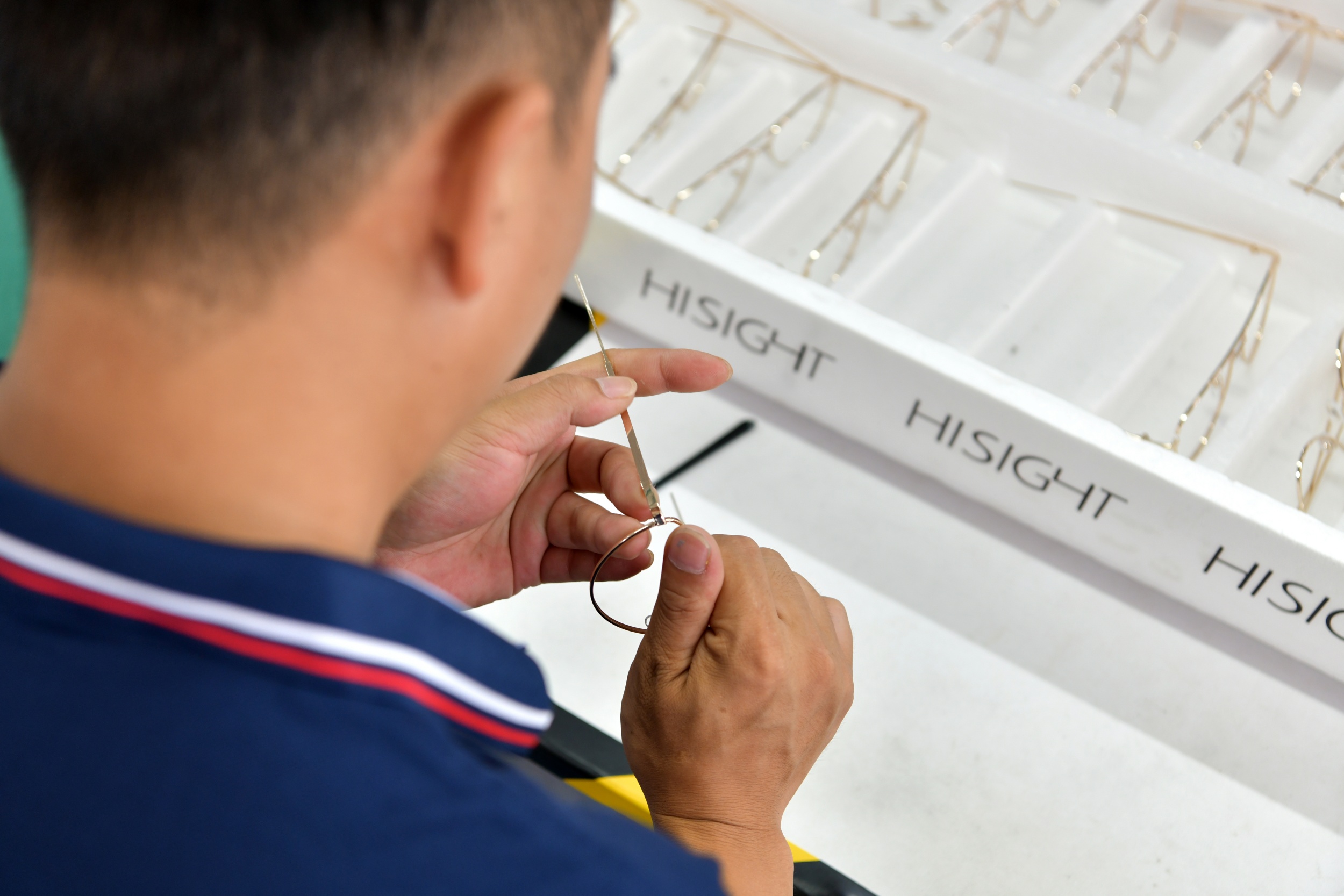
The tech pack represents the language between your vision and a manufacturer's production floor. When you work with oem eyewear suppliers, they rely on precise specifications to allocate resources, schedule tooling, source materials, and plan quality control checkpoints. A well-organized tech pack eliminates ambiguity, reduces revision cycles, and accelerates the path to your first production sample. Understanding what information manufacturers need—and how to present it—transforms your quoting process from frustrating back-and-forth exchanges into streamlined, professional interactions.
Frame Geometry and Dimensional Specifications
Overall Frame Dimensions and Bridge Details
Custom frame manufacturing begins with precise dimensional data. Your tech pack must specify the total frame width, lens height, bridge width, and temple length in millimeters. These measurements define how the bespoke glasses sit on the face and influence comfort, optical alignment, and aesthetic balance. For custom eyewear, even one millimeter of deviation in bridge width can affect how the frame positions the lenses relative to the wearer's eyes, directly impacting visual performance and fit satisfaction. Include variations for different sizes if you plan multiple production runs. Manufacturers also need to know whether dimensions represent finished frames or whether they include post-production adjustments like temple angle or bridge pad modifications.
Lens Shape and Drilling Specifications
Define the lens shape—whether round, oval, rectangular, or custom—with precise coordinates or technical drawings. For custom frame manufacturing, specify drilling patterns, hole diameters, and centerlines where lenses mount into the frame. If your bespoke glasses design uses a particular lens-retention system, whether screws, spring hinges, or adhesive methods, document exactly where holes must align. Include tolerances for drilling, particularly critical dimensions like hinge screw holes that directly affect frame function. Provide reference images showing the intended lens shape from front and side angles, helping the oem eyewear supplier visualize the final aesthetic and identify any manufacturing constraints early.
Material Selection and Sourcing Requirements
Frame Material Composition and Finish Specifications
Material choice fundamentally affects cost, durability, weight, and aesthetic of your custom eyewear. Your tech pack must specify whether frames are metal, acetate, titanium, memory metal, or hybrid materials. For metal frames, document the specific alloy, nickel content if relevant to regulations, and any hypoallergenic requirements. If your custom frame manufacturing involves metal plating or coating, specify the type—whether electroplated, PVD, or anodized—along with thickness and durability testing standards. For acetate bespoke glasses, specify the resin type, color, pattern, and whether materials must be virgin or recycled. Include material certifications required by your target markets, such as RoHS compliance, lead-free verification, or other regulatory documentation needed for oem eyewear production.
Color, Pattern, and Aesthetic Details
Provide physical samples, Pantone color references, or digital color specifications for every custom eyewear variant. If your bespoke glasses feature gradient, tortoiseshell, or custom patterns, include high-resolution photographs from multiple angles under different lighting conditions. Document surface finishes—matte, glossy, translucent, or textured—and specify which frame components receive different treatments. For custom frame manufacturing, consistency in color matching across multiple production batches directly impacts brand perception. Provide storage and aging guidance if colors shift over time or under UV exposure. Include specifications for any metallic accents, logos, or decorative elements, noting whether these are printed, engraved, or applied through other methods.
Functional Components and Assembly Requirements
Hinge Systems and Temple Construction
Hinges represent critical functional elements in custom eyewear design. Your tech pack must specify hinge type—whether barrel, spring, or friction hinges—along with expected opening angle and resistance specifications. For custom frame manufacturing, document hinge screw specifications including diameter, material, and depth to prevent over-tightening or stripping. If your bespoke glasses use adjustable nose pads or temple arms, specify materials, positioning, and any specialized hardware. Include information about temple arms: whether they're straight or curved, padded or bare, and how they articulate. For oem eyewear production, supply visual references and engineering drawings showing hinge placement, spring tension expectations, and any unique mechanical features that distinguish your design from standard offerings.
Quality Control and Testing Standards
Define specific quality checkpoints for your custom eyewear production. Specify lens-to-frame alignment tolerances, hinge rotation smoothness thresholds, and aesthetic inspection criteria. For bespoke glasses, document whether samples must pass color-fastness testing, salt-spray corrosion testing, or impact resistance standards. Outline acceptance criteria for defects: what constitutes acceptable variation in paint application, what dimension tolerances trigger rejection, and how manufacturers should handle edge cases. For custom frame manufacturing, include information about packaging requirements, labeling, and any traceability documentation. Clarify the inspection frequency—whether every unit receives full inspection or whether statistical sampling applies. Provide reference samples showing minimum acceptable quality, helping the oem eyewear supplier align their quality systems with your expectations before production scaling.
FAQ
What information is most critical when requesting a custom eyewear quote?
Manufacturers prioritize dimensional specifications, material composition, and production volume when evaluating custom eyewear quotes. Without accurate frame dimensions, bridge width, and temple length, suppliers cannot assess tooling requirements or material costs. For bespoke glasses, clear material specifications—including alloy types, color references, and surface finishes—directly determine raw material sourcing and manufacturing process selection. Production volume affects pricing significantly; custom frame manufacturing costs vary dramatically between 100-unit and 10,000-unit runs. Providing complete, organized tech pack information upfront ensures you receive quotes reflecting actual production requirements rather than conservative estimates padded with contingency costs.
How detailed should technical drawings be for custom frame manufacturing?
Technical drawings for custom eyewear should include front view, side profile, and top view perspectives with all critical dimensions clearly labeled. For bespoke glasses, drawings must show lens shape, hinge placement, bridge structure, and any unique features distinguishing your design. Dimensions should indicate tolerances—how much variation is acceptable for each measurement. For custom frame manufacturing, include magnified detail views of complex areas like hinge connections or logo placement. While professional CAD drawings are ideal, clear hand sketches with precise measurements, reference photos, and written notes are acceptable starting points for oem eyewear discussions. The key is ensuring manufacturers can understand your design intent and identify potential manufacturing constraints before committing to production.
How does a complete tech pack reduce quoting errors?
Comprehensive tech pack documentation prevents manufacturers from making assumptions about your custom eyewear specifications. When suppliers lack detailed material information, they quote based on industry defaults, potentially misaligning with your intended quality level or cost targets. For bespoke glasses, ambiguous design details force manufacturers to request clarifications repeatedly, extending the quoting timeline. Clear technical specifications enable custom frame manufacturing suppliers to provide accurate timelines, identify potential tooling costs upfront, and flag design elements requiring specialized equipment or expertise. For oem eyewear partners, detailed tech packs demonstrate professionalism and clarity, building confidence in your organization's ability to manage production partnerships successfully. Ultimately, comprehensive documentation transforms quoting from a guessing game into a reliable process, reducing revision cycles and accelerating time to production.



