
 EN
Common Impact Failure Points in Sports Eyewear: Practical Quality Control Steps
Find where sports eyewear fails under impact, from lens bonds to hinges, and the drop and adhesion tests that keep athletic glasses safe.
Impact failure represents one of the most significant durability challenges in sports eyewear design and manufacturing. When athletes depend on their eyewear to protect vision during high-speed movements, collisions, or falls, structural weakness can compromise both safety and performance. Understanding the critical failure points in sports eyewear helps manufacturers and quality control teams implement preventive measures that keep products reliable and compliant with industry standards.
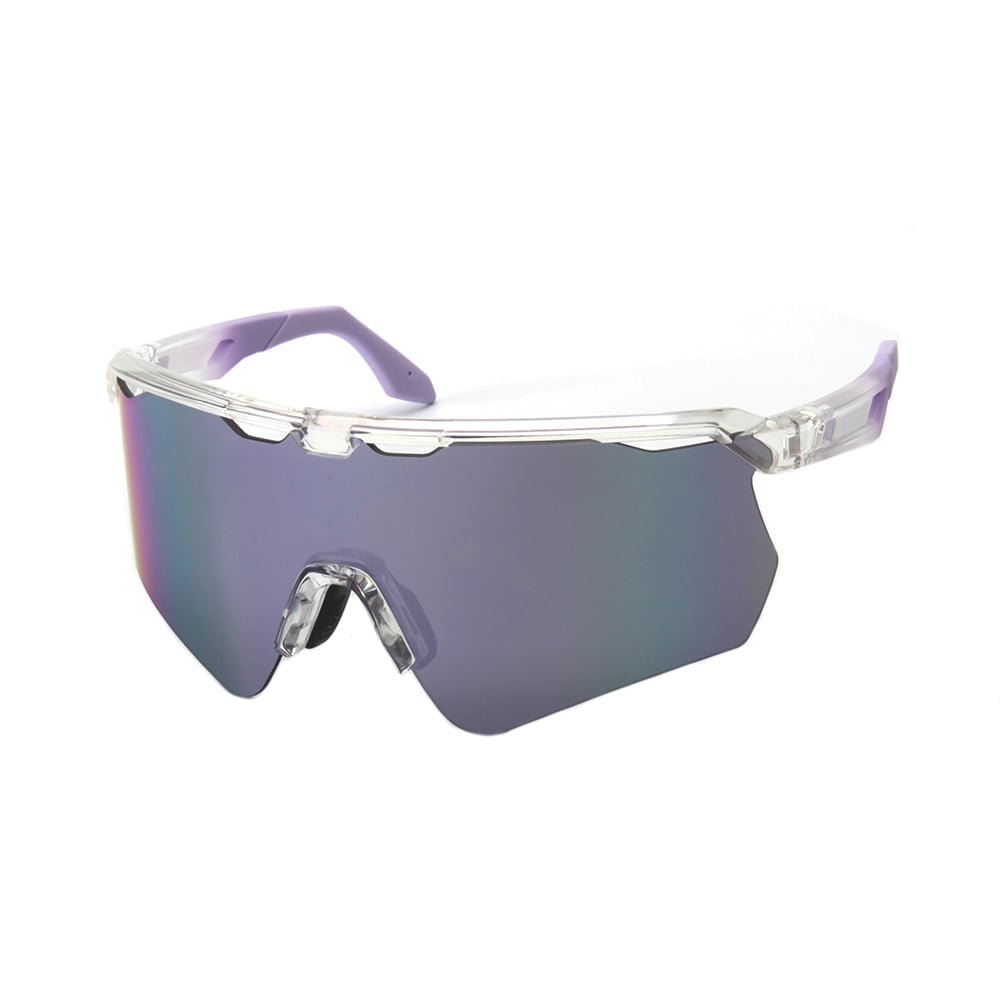
Proper quality control for sports eyewear demands systematic inspection protocols that detect weak points before products reach athletes. The manufacturing process introduces multiple opportunities for defects: material brittleness, improper lens-to-frame bonding, hinge misalignment, and coating failures all contribute to early failure under impact stress. By identifying and eliminating these failure mechanisms, manufacturers can deliver athletic glasses that withstand real-world demands while maintaining optical clarity and fit stability.
Primary Impact Failure Points in Sports Eyewear
Lens-to-Frame Bond Weakness
The interface between lens and frame represents a critical vulnerability in sports eyewear construction. When adhesive bonding or mechanical mounting fails, lenses can detach or crack under lateral impact forces. Performance eyewear manufacturers must ensure that bond strength meets or exceeds the impact energy typical of athletic activity. Testing this joint under controlled drop and compression scenarios reveals whether the bonding method will survive genuine use, especially in contact sports or outdoor environments where accidental collisions occur.
Thermal cycling also weakens lens-to-frame bonds over time. Temperature fluctuations cause differential expansion between plastic frames and glass or polycarbonate lenses, creating microfractures at the bond line. Quality control teams should expose test samples to temperature stress before final approval to catch this latent failure mode.
Frame Material Brittleness
Polymer selection directly determines how sports glasses respond to sudden impact. TR90 and other flexible thermoplastics offer superior impact resistance compared to rigid materials, but improper curing or additives can reduce flexibility and increase crack propagation. Athletic glasses made from low-quality resin batches may appear identical to properly manufactured frames but fail catastrophically under modest impact stress. Each raw material batch requires documentation and periodic spot-checking to confirm material properties align with design specifications.
Hinge and Bridge Stress Concentration
Hinges and bridge areas concentrate mechanical stress during impact because they represent thin sections connecting larger structural components. In performance eyewear, inadequate fillet radius or material thickness at these zones triggers crack initiation. Sports eyewear designs must incorporate generous radii and appropriate cross-sectional transitions to distribute load away from stress concentration points. Finite element analysis during design phase and physical stress testing during production validation prevent this common failure mechanism.
Quality Control Testing Protocols for Impact Resistance
Drop Test Methodology
Standardized drop testing simulates real-world impact scenarios that athletic glasses encounter. The apparatus releases eyewear from a fixed height onto a hard surface, measuring both structural integrity and optical performance after impact. Different drop heights and surface materials represent various accident scenarios: falling on concrete, striking a playing surface, or colliding with equipment. Sports eyewear must pass drop tests from heights relevant to the intended sport while maintaining lens alignment and frame geometry. Documentation of pass-fail results creates a baseline for consistency across production batches.
Compression and Flex Testing
Cyclic compression testing applies controlled force to the frame structure, simulating the squeezing forces that occur when athletes put on or adjust sports glasses during activity. This test reveals whether hinges will fail prematurely or whether plastic deformation will occur. Performance eyewear samples undergo hundreds or thousands of flex cycles to assess fatigue life. Any permanent deformation, hinge loosening, or crack initiation during this test indicates design or material issues requiring correction before full production release.
Lens Adhesion Verification
Pull tests and shear tests quantify the actual bond strength between lens and frame in sports eyewear. Controlled machines apply tension or lateral force to mounted lenses until failure occurs, measuring the force at which separation begins. This objective data confirms that the adhesive, application method, and surface preparation meet minimum strength criteria. Batch testing ensures that quality control catches variations in adhesive chemistry or application technique before defective eyewear ships to customers.
Material and Manufacturing Best Practices
Resin Selection and Documentation
Sports glasses frame materials must be selected from verified suppliers with consistent quality standards. Thermoplastic resins like TR90 offer excellent impact absorption, but material properties depend on molecular weight, additives, and processing history. Manufacturers should maintain batch records linking each eyewear batch to specific resin lot numbers, allowing rapid investigation if failure patterns emerge. Regular material testing confirms that incoming resin meets impact strength and flexibility requirements before use in athletic glasses production.
Assembly Process Controls
The assembly process introduces defects if temperature, pressure, or adhesive chemistry drifts from specification. Lens-setting equipment must maintain precise pressure and temperature during the bonding cycle to ensure proper adhesive cure. Workers performing manual assembly steps require documented training and periodic skill verification. Performance eyewear production benefits from automated assembly stations that eliminate human error and provide consistent, repeatable bonding and lens-setting parameters. Real-time monitoring of assembly conditions creates data trails that support traceability and rapid problem correction.
Coating and Surface Treatment Integrity
Protective coatings on sports eyewear lenses improve durability and functionality, but coating adhesion directly affects impact performance. Poor coating-to-lens bonding introduces delamination during impact, reducing optical clarity and creating visual artifacts that degrade athletic performance. Quality control should include adhesion testing for any applied coatings, verifying that finish layers remain bonded to the substrate through impact and thermal stress. Coating process parameters—temperature, humidity, substrate cleanliness—require monitoring and documentation to ensure consistency across production runs.
Documentation and Continuous Improvement
Failure Analysis and Root Cause Investigation
When sports eyewear products fail in use or during testing, systematic investigation identifies the root cause and prevents recurrence. Was the failure a material defect, assembly error, design flaw, or environmental factor? Detailed examination of failed samples, combined with process records and material documentation, reveals patterns that guide corrective action. This forensic approach transforms individual failures into learning opportunities that strengthen overall quality for all athletic glasses production.
Trending and Statistical Process Control
Monitoring failure rates and test results over time reveals process drift before widespread quality problems develop. Sports eyewear manufacturers should track key performance metrics—drop test pass rates, adhesion strength averages, lens attachment failures—and investigate upward trends. Statistical control charts identify when process variation exceeds acceptable limits, triggering equipment maintenance, material re-evaluation, or operator retraining. This proactive approach keeps quality consistent and catches emerging issues early.
FAQ
What are the most common impact failure modes in sports eyewear?
The most prevalent failures in athletic glasses include lens-to-frame bond separation, frame cracking at stress concentration points like hinges, and lens cracking from blunt impact. Brittleness in polymer materials and inadequate fillet design at thin sections amplify these failures. Performance eyewear that experiences these modes typically indicates material selection issues, insufficient design analysis, or assembly process defects. Identifying the specific failure mechanism guides corrective action toward the responsible manufacturing step.
How often should sports eyewear undergo impact testing during production?
Quality control for athletic glasses should include drop testing and compression testing on samples from each production batch, with frequency scaled to production volume and historical failure rates. High-volume manufacturers often perform testing on first articles and periodic batches throughout the production run. Performance eyewear made in smaller quantities may require testing of a fixed percentage of finished units. Establishing a testing schedule based on risk assessment and regulatory requirements ensures consistent validation without excessive cost, while maintaining the safety integrity of sports glasses reaching athletes.
Can sports eyewear be repaired after impact damage?
Minor impact damage like small scratches on lenses may be repairable, but structural failures in the frame or major lens damage typically warrant replacement rather than repair. Athletic glasses that have survived impact may have hidden damage in the bond line or frame material that reduces remaining strength, creating safety risk during continued use. Most manufacturers and quality standards recommend replacing sports eyewear after significant impact rather than attempting repair, ensuring athletes maintain the full protective benefit that performance eyewear is designed to provide.



