
 EN
How Eyewear Brands Can Reduce Nickel Sensitivity Complaints With Titanium Frames
Titanium eyewear ends nickel sensitivity at the source. Learn how pure and beta frames stay hypoallergenic while lifting brand value.
Nickel sensitivity remains one of the most common dermatological complaints among eyewear consumers, causing discomfort, skin irritation, and brand dissatisfaction. For eyewear brands seeking to eliminate this persistent problem, the solution lies in material innovation. Titanium eyewear has emerged as the gold standard for hypoallergenic frame construction, addressing nickel sensitivity at its source while delivering superior durability and lightweight comfort that consumers demand.
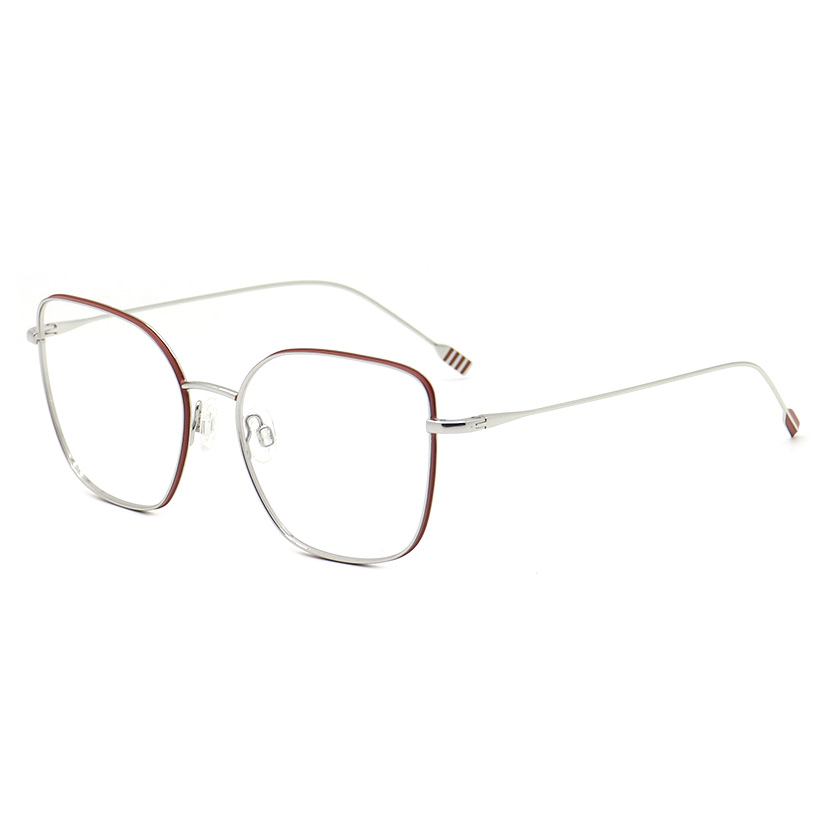
Understanding why nickel sensitivity occurs is critical for brands committed to customer retention. Traditional eyewear materials, including many base metals and low-grade alloys, contain nickel as a cost-effective hardening agent. When frames come into direct contact with facial skin for extended periods, nickel ions can leach into sweat and sebum, triggering allergic reactions ranging from mild redness and itching to severe dermatitis. Beta titanium and pure titanium eyewear eliminate this risk entirely by replacing nickel-containing alloys with biocompatible titanium substrates. This shift not only resolves existing customer complaints but also positions your brand as a premium, health-conscious choice in a competitive market.
The Science Behind Titanium's Hypoallergenic Properties
Why Titanium Remains Biocompatible
Titanium is fundamentally different from conventional eyewear materials. Pure titanium eyewear is naturally hypoallergenic because titanium does not corrode under normal skin conditions and does not release metal ions into contact with human tissue. The metal forms a stable oxide layer on its surface that prevents ionic leaching, the primary mechanism behind nickel allergic reactions. This biochemical stability makes titanium frames ideal for individuals with sensitive skin or documented nickel allergies. Unlike stainless steel or monel, which may contain trace nickel despite industry labeling, titanium frames guarantee absolute nickel freedom, offering eyewear brands complete protection against liability and customer complaints.
Material Purity and Quality Standards
Not all titanium is created equal. Beta titanium frames and pure titanium eyewear differ in composition and performance characteristics. Pure titanium eyewear typically contains 99% titanium, meeting aerospace and medical-grade standards. Beta titanium, an alloy of titanium with vanadium and aluminum, offers enhanced strength and flexibility, allowing thinner, more ergonomic frame designs. Both grades exceed nickel-free standards, but understanding these distinctions helps brands select the right material for their target demographic. Medical professionals, outdoor enthusiasts, and consumers with diagnosed metal sensitivities increasingly demand titanium frames, and brands offering both pure and beta titanium options capture the widest customer segment while effectively eliminating nickel sensitivity concerns.
Market Advantages and Consumer Perception
Building Brand Loyalty Through Hypoallergenic Innovation
Consumer loyalty in eyewear depends heavily on comfort and health outcomes. When customers experience nickel sensitivity reactions, they associate the discomfort directly with the brand, leading to negative reviews and reduced repeat purchases. Brands that transition to titanium eyewear reverse this dynamic. Marketing materials emphasizing hypoallergenic properties, medical-grade materials, and dermatologist endorsement create a premium positioning that justifies higher price points. Titanium frames become a differentiator in crowded markets, particularly among health-conscious demographics, professionals requiring all-day wear, and parents selecting frames for children whose skin is more sensitive to metal irritants. The shift from nickel-containing alternatives to titanium eyewear transforms complaints into competitive advantages, building trust and long-term customer relationships.
Cost-Benefit Analysis for Manufacturers
While titanium frames carry higher material costs than traditional alloys, the financial benefits for eyewear brands are substantial. Reduced customer service inquiries related to skin irritation lower operational costs. Fewer warranty claims and returns due to allergic reactions improve profit margins. Premium pricing opportunities for hypoallergenic offerings increase revenue per unit. Beta titanium and pure titanium eyewear also attract corporate and institutional buyers, including schools, government agencies, and healthcare systems seeking employee benefits packages that include high-quality, hypoallergenic eyewear. When calculated holistically, transitioning to titanium frames delivers measurable return on investment through lower complaint rates, higher customer satisfaction scores, and premium market positioning.
Implementation Strategy and Product Development
Transitioning Existing Inventory to Titanium Frames
Eyewear brands do not need to abandon existing collections overnight. A phased transition strategy allows manufacturers to test market response while managing inventory and production timelines. Beginning with signature styles or bestselling models in titanium eyewear lines enables brands to communicate the upgrade directly to loyal customers. Pure titanium eyewear options appeal to premium segments, while beta titanium frames offer strength and affordability for volume markets. Digital marketing campaigns emphasizing hypoallergenic benefits, lightweight design, and durability create awareness before physical product launches. Collaborating with dermatologists and allergists to validate nickel-free claims and publish testimonials accelerates customer adoption. This measured approach minimizes production disruption while maximizing the marketing impact of the transition to titanium frames.
Quality Control and Supply Chain Considerations
Sourcing reliable titanium eyewear materials requires partnering with suppliers certified to aerospace and medical standards. Verification of material purity, composition analysis, and batch testing ensure consistent hypoallergenic properties across all frames. Transparency in the supply chain builds customer confidence and supports marketing claims about nickel elimination. Eyewear brands should require suppliers of titanium frames to provide material certificates and third-party testing documentation confirming the absence of nickel and other allergenic metals. This due diligence protects brand reputation and ensures that every frame delivered to consumers meets the health standards implied by the hypoallergenic positioning. Reliable sourcing transforms titanium eyewear from a product feature into a defensible quality commitment.
FAQ
Are titanium frames really hypoallergenic, or is this just marketing?
Titanium frames are genuinely hypoallergenic based on well-established materials science. The metal does not corrode or release ions under normal physiological conditions, which is why titanium is used in surgical implants and dental prosthetics. Pure titanium eyewear and beta titanium frames have been independently tested and certified nickel-free. Unlike marketing claims about other materials, hypoallergenic properties of titanium are rooted in fundamental chemistry, not speculation. Eyewear brands can confidently market titanium frames as a solution to nickel sensitivity because the science is solid and verified.
How much more expensive are titanium frames compared to traditional eyewear materials?
Titanium eyewear typically costs 20 to 40 percent more than nickel-containing base metal frames, depending on frame complexity and production volume. However, this price premium aligns with the hypoallergenic benefits, lightweight comfort, superior durability, and premium positioning. Brands successfully sell titanium frames at higher price points because consumers perceive the hypoallergenic advantage as valuable and health-protective. For luxury eyewear brands, the material cost increase is absorbed within existing margin structures. For mid-market brands, the premium pricing opportunity offsets higher material costs while capturing health-conscious consumer segments willing to pay more for nickel-free, biocompatible frames.
Can titanium frames be produced in various styles and colors?
Yes, titanium eyewear is highly versatile in design and finish. Both pure titanium eyewear and beta titanium frames can be shaped into any style from classic to contemporary. Titanium naturally has a silver-gray appearance but can be anodized to produce various colors including black, blue, gold, and rose gold. The metal machines precisely, allowing for complex hinge designs, detailed bridge work, and ergonomic temple shaping. Manufacturers can produce titanium frames in oversized, petite, and standard sizes, and the material accepts decorative elements like gemstones or wood inlays. This design flexibility means brands do not sacrifice aesthetic options when transitioning to hypoallergenic titanium frames.



