
 EN
The Laminated Film Layers Inside Polarized Sunglasses Lenses: A Technical Guide for Eyewear Buyers
Learn how polarized sunglasses use laminated film layers, a polarizing filter, and TAC coating to cut glare and protect eyes.
Understanding the technical construction of polarized sunglasses is essential for eyewear buyers seeking quality eye protection and visual clarity. Polarized sunglasses represent one of the most significant advances in optical technology, combining multiple laminated film layers to deliver superior glare reduction and enhanced visual performance. When light reflects off water, snow, metal, or glass surfaces, it becomes horizontally polarized, creating the harsh glare that causes eye strain and reduces visibility. Polarized sunglasses address this problem through their innovative lens design, which filters out these reflected rays while maintaining natural color perception and visual acuity.
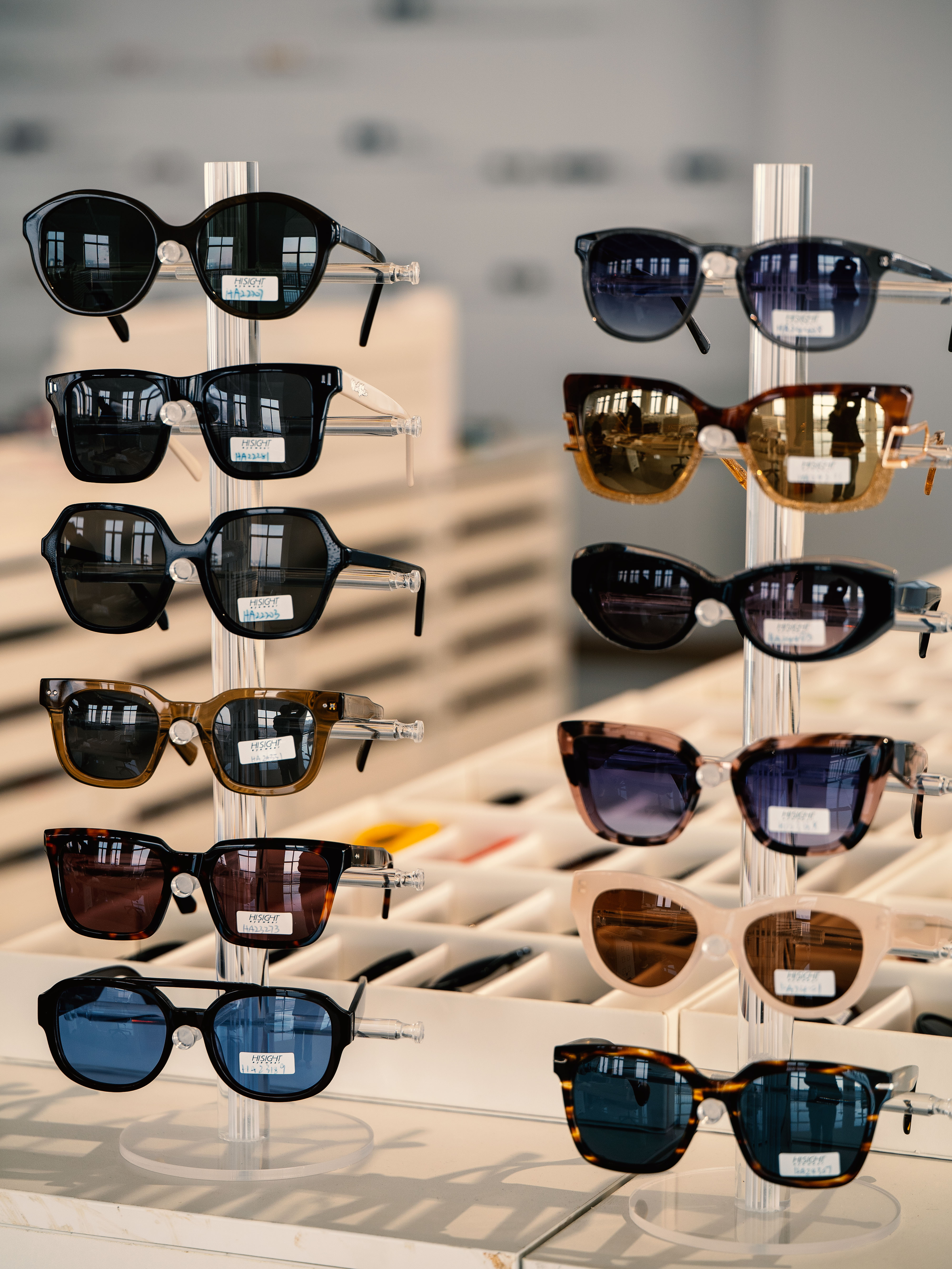
The engineering behind polarized lenses involves precision-layered construction that distinguishes premium eyewear from basic UV-blocking alternatives. Each component of the laminated film structure serves a specific function, from the protective outer layers to the specialized polarizing filter embedded within the lens. Understanding these layers helps buyers make informed decisions about lens quality, durability, and performance characteristics. This technical guide explores the composition, function, and benefits of polarized lenses for anyone interested in eyewear technology and optical science.
The Laminated Film Structure of Polarized Lenses
Understanding Multi-Layer Lens Construction
Polarized lenses are not monolithic optical components but rather sophisticated assemblies of multiple laminated films fused together through specialized manufacturing processes. The typical construction includes an outer protective layer, intermediate polarizing films, and an inner structural layer, with each component contributing to the lens's overall performance. The polarized sunglasses design utilizes these layers to achieve optical clarity while eliminating unwanted light reflections. The lamination process bonds these films using optical adhesives that maintain transparency and optical integrity across the entire spectrum of visible light.
The Polarizing Filter Layer
At the core of every pair of polarized lenses sits the polarizing filter film, a specially formulated material containing aligned chemical crystals that block horizontally polarized light waves. This filter layer is the functional heart of glare reduction sunglasses, allowing only vertically polarized light to pass through while absorbing the horizontally polarized reflections that cause discomfort and visual degradation. The polarizing material must be precisely oriented during manufacturing to ensure consistent performance across the entire lens surface. Premium polarized lenses maintain optimal polarization efficiency throughout their lifespan, resisting degradation from UV exposure and environmental stress that could compromise the filtering capability.
TAC Polarized Coating and Protective Layers
Triacetate Cellulose Coating Benefits
TAC polarized coatings represent a critical advancement in lens durability and optical performance for eyewear buyers seeking long-lasting protection. Triacetate cellulose, commonly abbreviated as TAC, forms the protective outer layer of polarized lenses, providing resistance to scratches, impacts, and environmental degradation. The TAC polarized layer absorbs ultraviolet radiation before it reaches the eye, offering comprehensive UV protection that extends beyond the polarizing filter's capabilities. This dual-protection approach ensures that glare reduction sunglasses deliver both immediate visual benefits and long-term eye health protection against cumulative UV damage.
Adhesive and Bonding Technology
The laminated film layers within polarized lenses must be permanently bonded without compromising optical clarity or introducing distortions. Optical-grade adhesives used in lens manufacturing create molecular bonds between layers that maintain refractive index matching, ensuring light passes through without scattering or loss of definition. These adhesives also prevent delamination, which would destroy the lens's optical properties and render the eyewear unusable. The precision of this bonding process directly correlates with the lens's resistance to environmental stress, thermal cycling, and mechanical pressure that occurs during normal wear.
Performance Benefits and Practical Advantages for Eyewear Buyers
Glare Reduction and Visual Clarity
The practical benefit of glare reduction sunglasses extends far beyond comfort, directly enhancing visual acuity and situational awareness in bright conditions. When polarized lenses eliminate reflected glare from water surfaces during boating or fishing activities, they reveal underwater details that remain invisible through conventional sunglasses. On roadways, polarized lenses reduce the intense glare bouncing off other vehicles and pavement, decreasing eye fatigue during long driving sessions. This improved visual clarity translates directly to safety advantages and performance enhancement for outdoor professionals and recreational users alike.
Color Perception and Contrast Enhancement
Unlike basic tinted sunglasses that diminish overall brightness through neutral darkening, polarized lenses maintain natural color perception while enhancing contrast between objects and backgrounds. The selective filtering mechanism of polarized lenses preserves the full spectrum of visible light wavelengths while removing only the problematic polarized reflections. This distinction means that landscape details, sky gradations, and natural colors appear vivid and accurate through polarized lenses rather than appearing flat or washed out. Eyewear buyers appreciate this performance characteristic because it allows extended outdoor activities without the visual fatigue associated with inferior lens technologies.
Durability and Long-Term Value
The multi-layer construction of polarized lenses, supported by TAC polarized protective coatings, creates eyewear that withstands years of use while maintaining consistent optical performance. The laminated film structure distributes mechanical stress across multiple components rather than concentrating it at vulnerable points, significantly extending the lens's resistance to damage from impacts and environmental exposure. Eyewear buyers investing in quality polarized sunglasses benefit from superior longevity compared to basic UV-blocking alternatives, making the higher initial cost economically rational over the product's functional lifespan. Premium manufacturing standards ensure that the polarizing filter maintains its effectiveness throughout extended use, preserving the glare reduction benefits that justified the original purchase.
FAQ
How do polarized lenses differ from regular tinted sunglasses?
Polarized lenses incorporate a specialized filter layer that selectively blocks horizontally polarized light reflections, while regular tinted sunglasses simply reduce overall brightness through neutral darkening. This fundamental difference means that polarized sunglasses eliminate glare without significantly darkening natural light, whereas conventional tints create dimming that affects both reflected glare and direct vision. The laminated film construction of polarized lenses includes multiple protective and functional layers absent in basic sunglasses, delivering superior optical performance and durability.
Is the TAC polarized coating essential for lens protection?
The TAC polarized layer serves dual functions as both a protective barrier against physical damage and an ultraviolet filter that shields the eye from harmful radiation. While polarized lenses function without TAC coating, the addition of this layer significantly enhances scratch resistance, impact durability, and UV protection capabilities. Premium eyewear manufacturers prioritize TAC polarized construction because it extends lens lifespan and maintains consistent optical performance throughout extended use. Eyewear buyers should specifically seek products with TAC coating to ensure maximum durability and comprehensive eye protection.
Can polarized lenses delaminate or lose their effectiveness over time?
High-quality polarized lenses manufactured using precision lamination techniques and optical-grade adhesives maintain their structural integrity and polarizing effectiveness for many years of normal use. However, exposure to extreme heat, prolonged UV radiation, or mechanical trauma can potentially compromise the adhesive bonds holding laminated film layers together, gradually reducing polarizing efficiency. Proper care, storage in protective cases, and avoiding prolonged exposure to excessive heat helps preserve the optical properties of polarized sunglasses throughout their intended lifespan. Most reputable manufacturers design polarized lenses to maintain consistent performance for at least five to seven years under typical wear conditions.



