
 EN
Laser Welding Defects in Titanium Eyewear Joints: Causes and Corrective Actions
Fix laser welding defects in titanium eyewear, from porosity and incomplete fusion to HAZ cracking, oxidation, with proper shielding gas.
Laser welding has become the preferred joining method for premium titanium eyewear production, offering precision and aesthetic advantages over traditional mechanical assembly. However, defects in laser-welded titanium frames can compromise both structural integrity and visual appearance, leading to product returns and customer dissatisfaction. Understanding the root causes and implementing corrective actions is essential for manufacturers seeking to maintain quality standards and reduce scrap rates in titanium eyewear production.
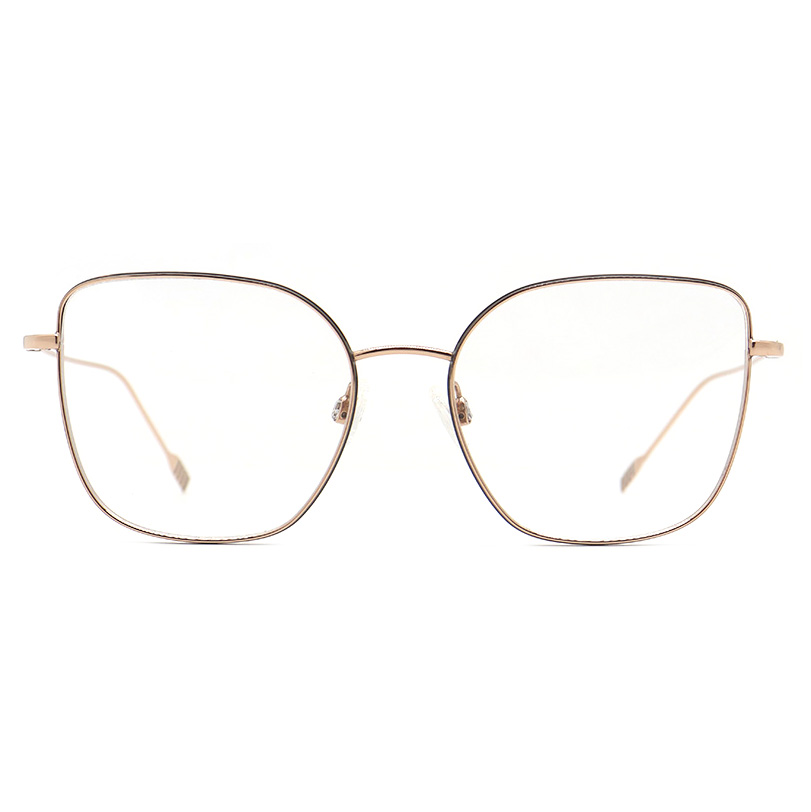
Titanium frames, whether made from beta titanium or pure titanium eyewear materials, present unique welding challenges due to their high reactivity with oxygen at elevated temperatures and sensitive metallurgical properties. Defects such as porosity, incomplete fusion, heat-affected zone cracking, and discoloration occur when laser parameters, material preparation, or environmental conditions fall outside optimal ranges. This guide explores the primary causes of laser welding defects in titanium eyewear joints and provides actionable corrective strategies to enhance manufacturing reliability.
Understanding Laser Welding Defect Types in Titanium Frames
Porosity and Gas Entrapment
Porosity represents one of the most common defects in laser-welded titanium frames. This occurs when gas bubbles become trapped within the weld metal during solidification, creating weak points that reduce joint strength. In titanium eyewear manufacturing, porosity typically results from inadequate shielding gas coverage, improper gas flow rates, or contaminated base materials. Beta titanium and pure titanium eyewear materials are particularly susceptible because of their strong affinity for atmospheric gases.
The primary cause is insufficient inert gas protection during the welding process. When argon or other shielding gases do not completely isolate the weld pool from ambient air, oxygen and nitrogen dissolve into the molten metal. As cooling occurs, these gases precipitate out as tiny voids. To correct this, manufacturers must verify gas purity, increase shielding gas flow rates to 15–25 liters per minute, and use backup gas on the underside of titanium frames to prevent oxygen ingress from both sides.
Incomplete Fusion and Lack of Penetration
Incomplete fusion occurs when the laser beam fails to fully melt and bond the base metals at joint interfaces, leaving unbonded zones or oxide layers between surfaces. This defect compromises the structural integrity of titanium eyewear joints and is a leading cause of premature frame failure. Lack of penetration happens when the weld does not extend deep enough into the joint, leaving internal gaps that reduce load-bearing capacity.
Root causes include insufficient laser power, improper beam focus, incorrect travel speed, or poor surface cleanliness prior to welding. Oxidized surfaces on titanium frames create barriers that prevent proper metal fusion. Corrective actions involve cleaning all joint surfaces with wire brushing or chemical etching before welding, optimizing laser power output for the specific thickness of titanium frames, maintaining precise beam focus height, and reducing travel speed to allow adequate heat input. Testing different laser parameters on sample pure titanium eyewear pieces helps establish the correct settings before production runs.
Thermal and Metallurgical Challenges in Titanium Eyewear Welding
Heat-Affected Zone Cracking
The heat-affected zone (HAZ) is the region of base material heated during laser welding but not melted. In titanium frames, rapid cooling in the HAZ can cause brittle phases to form, leading to delayed cracking. Beta titanium materials are especially prone to this phenomenon because of their phase transformation characteristics and sensitivity to cooling rates. Cracks may not appear immediately but can develop hours or days after welding, creating quality control and warranty challenges.
The primary corrective action is controlling the cooling rate through preheating and post-weld heat treatment. Preheating titanium eyewear components to 200–400 degrees Celsius before welding reduces thermal shock and allows more gradual cooling. Post-weld heat treatment, typically at 700–900 degrees Celsius for several minutes, relieves residual stresses and stabilizes the microstructure of both beta titanium and pure titanium eyewear frames. Additionally, optimizing laser parameters to reduce peak temperatures and using faster travel speeds can minimize HAZ size and the severity of thermal cycling.
Oxidation and Discoloration
Titanium frames react rapidly with oxygen at elevated temperatures, forming oxide layers that create unsightly discoloration ranging from gold to blue to gray. While primarily an aesthetic issue, heavy oxidation can also embrittle the weld zone and adjacent base material, reducing joint ductility. Pure titanium eyewear and beta titanium frames are both vulnerable to oxidation during laser welding if shielding gas protection is inadequate.
Prevention requires maintaining a continuous inert gas shield throughout the welding and immediate post-weld cooling phase. Using trailing gas cups extends protection to the cooling zone, reducing oxide formation. For pure titanium eyewear frames that have already been welded, oxide removal can be achieved through chemical pickling with dilute nitric and hydrofluoric acid solutions or mechanical polishing, though these approaches add cost and complexity. The most efficient corrective strategy is establishing robust gas shielding protocols during initial welding to eliminate the need for post-weld finishing.
Quality Control and Process Optimization for Titanium Frames
Material and Surface Preparation
Surface condition directly impacts laser welding success in titanium eyewear production. Contaminants such as oils, oxides, moisture, and dust interfere with laser energy coupling and promote defect formation. All titanium frames, whether pure titanium eyewear or beta titanium components, must undergo thorough cleaning immediately before welding. Wire brushing with stainless steel brushes removes loose oxide layers, while solvent cleaning eliminates oils and residues.
Establishing a clean room or controlled environment for titanium eyewear assembly further reduces atmospheric contamination risk. Welding equipment should be regularly maintained to ensure beam quality remains consistent. Laser optics must be clean and properly aligned to maintain accurate focus. Material certification is also critical, confirming that titanium frames meet specified purity and composition standards. Poor-quality material with inclusions or segregation sites is inherently more prone to welding defects.
Process Monitoring and Documentation
Implementing real-time monitoring systems for laser welding parameters helps catch process deviations before defects occur in titanium eyewear production. Sensors can track laser power output, travel speed, shielding gas flow rate, and beam focus position throughout each weld cycle. Automated systems can halt production if any parameter drifts outside acceptable ranges, reducing scrap and rework costs.
Detailed documentation of weld parameters for each batch of titanium frames creates a traceable record and enables rapid diagnosis if quality issues arise. Testing protocols should include destructive metallurgical analysis on sample welds from each production batch to detect porosity, cracks, and fusion defects through cross-sectioning and microscopy. Non-destructive testing methods such as ultrasonic inspection or X-ray analysis can also be applied to finished titanium eyewear frames to verify joint integrity without damaging products.
FAQ
Why does titanium eyewear require different welding methods than other frame materials?
Titanium eyewear, whether pure titanium or beta titanium compositions, exhibits extreme chemical reactivity at high temperatures, absorbing oxygen and nitrogen from the atmosphere if not properly shielded. This reactivity causes embrittlement, cracking, and defect formation that other materials like aluminum or stainless steel do not experience to the same degree. Laser welding with inert gas protection is essential because it provides precise localized heating and the ability to maintain an inert atmosphere during the critical welding and cooling phases, making it ideal for titanium frames.
Can laser welding defects in titanium frames be repaired after detection?
Some defects can be repaired through rewelding or grinding and rewelding, but this approach introduces additional thermal cycles that increase the risk of new defects forming in titanium eyewear. Cosmetic defects such as discoloration can be addressed through pickling or polishing, but structural defects like cracks or deep porosity often require complete frame replacement. The most cost-effective approach is prevention through optimized laser welding parameters, proper material handling, and rigorous quality control before defects occur in titanium frames.
What shielding gas configuration works best for beta titanium and pure titanium eyewear welding?
Both beta titanium and pure titanium eyewear benefit from dual-sided gas shielding using high-purity argon. A primary shielding gas is directed at the weld pool from above, while a backup gas is supplied from underneath to protect the underside of the joint. Flow rates should be maintained at 15–25 liters per minute depending on the specific joint geometry and laser power level. Using trailing gas cups that extend protection into the cooling zone further reduces oxidation and defect formation in titanium frames after the laser passes.



