
 EN
Color Inconsistency in Anodized Titanium Eyewear Frames: Quality Control in Production
Control color inconsistency in anodized titanium eyewear by managing surface prep, voltage, temperature, time, electrolyte, and spectrophotometer checks.
Color inconsistency in anodized titanium eyewear frames represents one of the most challenging quality control issues in optical manufacturing. When titanium frames undergo anodization, the electrochemical process creates a colored oxide layer on the metal surface. However, variations in voltage, temperature, duration, or electrolyte chemistry can produce frames with significantly different hues within a single production batch. This inconsistency not only affects the aesthetic appeal of the finished product but also indicates potential variations in the oxide layer thickness, which directly impacts durability and corrosion resistance. For manufacturers producing titanium eyewear at scale, maintaining strict color uniformity is essential to meet customer expectations and preserve brand reputation.
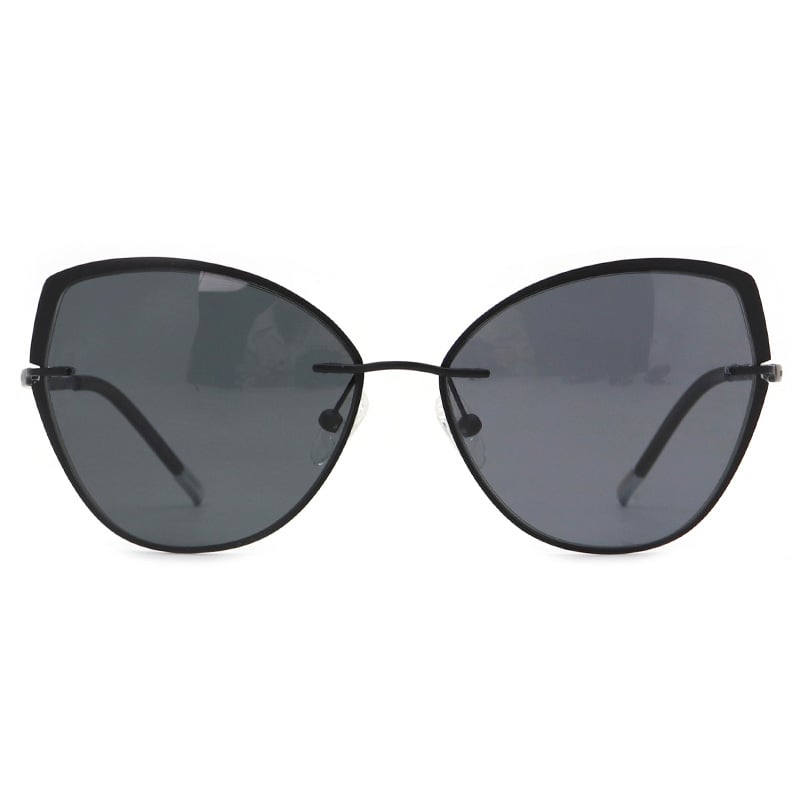
Understanding the root causes of color variation in titanium frames requires knowledge of both material science and production workflow. Pure titanium eyewear and beta titanium alloys respond differently to anodization, each requiring distinct process parameters. The quality control landscape encompasses pre-anodization surface preparation, real-time monitoring during the anodization stage, and post-treatment verification. This comprehensive approach ensures that every pair of titanium frames meets the specified color standard and maintains consistent optical and mechanical properties throughout the product lifecycle.
Understanding Anodization and Color Development in Titanium Frames
The Anodization Process and Color Formation Mechanism
Anodization is an electrochemical process that builds an oxide layer on titanium frames through controlled oxidation. When electric current passes through titanium submerged in an electrolyte solution, oxygen ions move toward the positive electrode and bond with titanium atoms, creating a colored aluminum oxide surface. The color intensity and hue depend directly on the oxide layer thickness. Thicker layers produce darker or more saturated colors, while thinner layers appear lighter. Pure titanium eyewear typically anodizes to blues, golds, and grays, whereas beta titanium alloys may exhibit different color ranges due to their different elemental composition.
Variables Affecting Color Consistency in Production
Multiple production variables influence the final color of anodized titanium frames. Voltage fluctuations, even by a few volts, alter the rate of oxide growth and change the resulting color. Temperature variations in the electrolyte solution affect ion mobility and reaction speed, directly impacting the oxide layer formation rate. Processing time is equally critical; a few seconds of difference can shift color perception noticeably. Electrolyte composition, including acid concentration and additive concentration, influences color development and must remain within tight tolerance bands. Additionally, the surface condition of titanium frames before anodization—including cleanliness, texture, and residual machining marks—affects how evenly the oxide layer forms and how uniformly color appears across the frame surface.
Quality Control Measures for Titanium Eyewear Production
Pre-Anodization Surface Preparation Standards
Achieving color consistency in titanium eyewear begins long before anodization. Surface preparation directly determines how uniformly the oxide layer forms. All titanium frames must undergo thorough degreasing to remove machining oils, dust, and fingerprints that could create uneven anodization. Chemical etching or mechanical polishing standardizes the surface texture, eliminating micro-topography variations that would otherwise scatter light differently across the frame and create perceived color variations. Quality control personnel verify that all frames meet surface cleanliness standards using visual inspection and sometimes contact angle testing. Any frame showing contamination or surface irregularities must be rejected before entering the anodization bath, preventing downstream color inconsistency issues.
In-Process Monitoring and Parameter Control
During anodization, rigorous real-time monitoring of electrical and chemical parameters is non-negotiable for producing consistent titanium frames. Dedicated rectifiers maintain voltage within specified ranges, typically ±2 volts, preventing the wide fluctuations that cause color shifts. Temperature controllers regulate the electrolyte solution, keeping it within ±3 degrees Celsius of the target, which preserves reaction kinetics and oxide growth rates. Processing time is controlled to the second through automated timers. Beta titanium eyewear and pure titanium eyewear often require different anodization profiles; manufacturers must load the correct profile into the system for each batch to prevent color deviation. Electrolyte concentration is monitored and adjusted regularly to maintain consistent chemistry throughout the production day.
Post-Anodization Color Verification Methods
After anodization, each batch of titanium eyewear undergoes color verification to identify and segregate any frames outside the acceptable color range. Spectrophotometers measure the precise color values of sample frames using CIE L*a*b* or similar color space standards, providing objective, quantifiable data rather than relying on subjective visual comparison. Color standards are established at the beginning of production, and all frames must fall within defined tolerance windows for lightness, red-yellow balance, and yellow-blue balance. Frames that exceed tolerance are separated and either reworked, downgraded to a different color grade, or rejected entirely. Statistical process control charts track color trends over time, helping quality managers identify emerging drift before it results in large numbers of out-of-specification frames. Regular calibration of color measurement equipment ensures measurement accuracy across all batches of titanium frames.
Practical Solutions and Industry Best Practices
Batch Consistency Strategies and Process Optimization
Manufacturers producing high volumes of titanium eyewear implement several proven strategies to minimize color variation within and across batches. Smaller batch sizes allow tighter control, though they reduce efficiency; the optimal balance depends on production volume and customer requirements. Rotating frame placement patterns within the anodization tank ensures all frames experience similar electrical field strength and electrolyte circulation. Load density—the number of frames in each tank—must remain consistent, as overcrowded tanks create competition for ions and uneven coloring, while sparse loads waste capacity. Pre-anodization normalization, where all frames spend time in a standardized pre-treatment bath, reduces the impact of minor surface variations from previous machining or handling steps. Documentation of every production run, including raw material lot numbers, anodization parameters, and color measurement results, enables traceability and helps engineers identify which factors correlate with color drift.
Continuous Improvement and Corrective Actions
Leading manufacturers of pure titanium eyewear and beta titanium frames implement structured continuous improvement programs to address color inconsistency systematically. When color drift is detected, root cause analysis traces the issue back to specific equipment malfunction, electrolyte degradation, or procedural deviation. Preventive maintenance schedules for anodization equipment, including rectifier calibration, pump inspection, and filter replacement, prevent gradual performance degradation that causes creeping color shifts. Operator training programs ensure that all staff handling titanium frames understand the sensitivity of the process and follow procedures precisely. Cross-training reduces reliance on individual operators and spreads process knowledge. Periodic audits of the complete anodization workflow, from material receiving through final packaging, identify opportunities for process tightening and help maintain consistent titanium eyewear quality across production shifts and seasons.
FAQ
Why does color inconsistency occur in anodized titanium frames?
Color inconsistency in titanium eyewear occurs because anodization depends on multiple interdependent variables including voltage, temperature, time, and electrolyte chemistry. Small deviations in any of these parameters change the oxide layer thickness, which directly alters the perceived color. Additionally, variations in surface preparation, frame loading patterns, and frame-to-frame contact resistance can cause certain frames to anodize faster or slower than others, resulting in a range of colors within a single batch rather than a uniform appearance.
What is the difference in anodization between pure titanium eyewear and beta titanium frames?
Pure titanium eyewear and beta titanium frames have different elemental compositions, which affects how they anodize. Pure titanium typically produces blues, golds, and grays when anodized. Beta titanium alloys, which contain vanadium and other elements in addition to titanium, often display different color ranges and may require adjusted anodization parameters such as slightly different voltage or electrolyte composition to achieve the same aesthetic results as pure titanium.
How do manufacturers ensure consistent color in large-scale titanium eyewear production?
Manufacturers ensure color consistency through stringent pre-anodization surface preparation, precise control of anodization parameters using automated systems with tight tolerances, real-time electrolyte monitoring, and post-anodization spectrophotometric color verification. They also employ batch management strategies such as optimized load density, statistical process control charting, and comprehensive documentation of all production variables, combined with regular preventive maintenance and operator training programs.



