
 EN
TR90 vs Polycarbonate Eyewear Frames: Key Differences for Buyers
Compare TR90 eyewear and polycarbonate frames on flexibility, impact resistance, scratch durability, cost, and care to choose the right material.
When selecting eyewear frames, the material choice fundamentally affects durability, comfort, and longevity. TR90 eyewear and polycarbonate frames represent two of the most popular options in the optical market today, each offering distinct advantages for different applications and user preferences. Understanding the key differences between these materials is essential for making an informed purchasing decision that aligns with your lifestyle, budget, and performance expectations.
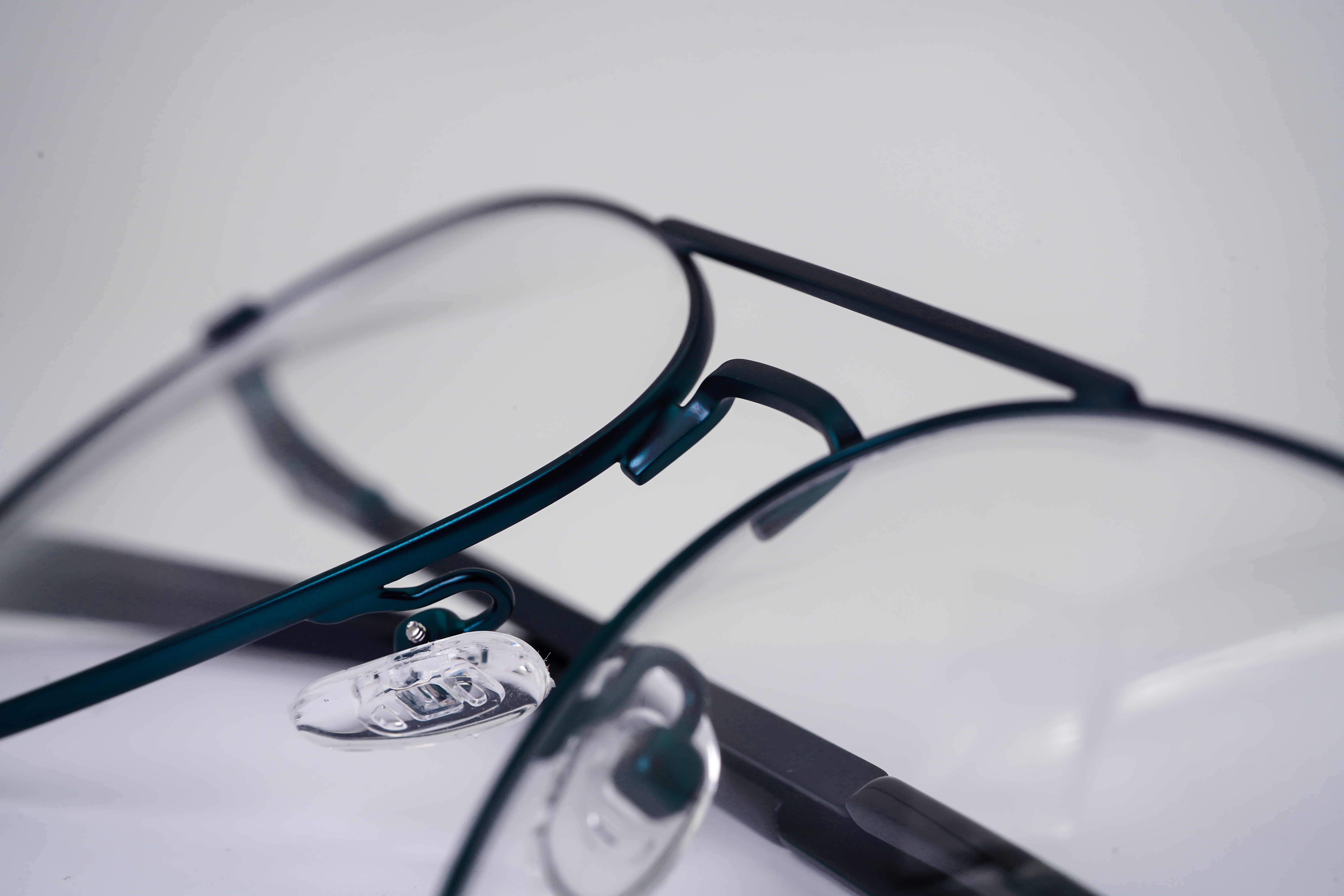
Both TR90 frames and polycarbonate lenses have established themselves as trusted materials in optical manufacturing, serving millions of users globally. The choice between these options requires understanding their chemical composition, mechanical properties, cost structure, and suitability for specific use cases. This comprehensive guide explores the technical and practical distinctions to help you evaluate which material best matches your eyewear needs.
Material Composition and Chemical Properties
Understanding TR90 Structure
TR90 is a thermoplastic material belonging to the polymer family, specifically a nylon-based compound engineered for optical applications. The TR90 eyewear material incorporates flexibility at its molecular level, which means the polymer chains can absorb stress and return to their original shape without permanent deformation. This memory plastic eyewear characteristic makes TR90 frames exceptionally forgiving when exposed to pressure, heat variations, or accidental impacts during daily wear.
The manufacturing process for tr90 frames involves precise temperature control and injection molding techniques that align the polymer chains to maximize both strength and elasticity. TR90 can withstand bending and twisting motions that would crack or break rigid materials, making it ideal for active users and children whose eyewear endures frequent handling stress.
Polycarbonate Frame Technology
Polycarbonate is a transparent thermoplastic that shares some properties with TR90 but differs significantly in its structural rigidity and optical characteristics. Unlike the memory plastic eyewear properties of TR90, polycarbonate frames are engineered for hardness and clarity rather than flexibility. The material is produced through a polymerization process that creates a denser molecular structure, resulting in superior impact resistance and scratch-resistant surface capabilities when properly treated.
Polycarbonate's inherent properties make it the standard material for safety eyewear, protective lenses, and industrial applications where maximum impact protection is critical. The material naturally blocks ultraviolet radiation without additional coatings, though additional UV400 coatings are commonly applied to both flexible glasses and polycarbonate options for enhanced sun protection.
Durability, Flexibility, and Performance Characteristics
Flexibility and Comfort Advantages
TR90 frames excel in flexibility, a core advantage for users seeking comfortable, adaptive eyewear that adjusts to individual head shapes and movement patterns. Flexible glasses made from TR90 material demonstrate exceptional spring-back properties, meaning they return to their original form even after significant flexing or pressure application. This characteristic reduces pressure points on the nose bridge and ears, enhancing all-day comfort for extended wear periods.
The memory plastic eyewear nature of TR90 also provides inherent shock absorption when frames experience drops or impacts, dissipating stress throughout the material rather than concentrating it at single points. For users with active lifestyles, sports participation, or outdoor work environments, tr90 frames offer superior comfort and reduced risk of accidental frame damage from normal handling.
Impact Resistance and Scratch Durability
Polycarbonate frames deliver superior hardness and impact resistance compared to flexible glasses, making them the preferred choice for high-impact applications and protective eyewear requirements. The dense molecular structure of polycarbonate creates a surface less prone to scratching from daily contact with dust, clothing, or minor abrasion. While TR90 frames resist breaking under stress, they can accumulate surface scratches more readily than polycarbonate options.
For individuals requiring maximum optical clarity without visible surface damage, polycarbonate provides longer-term aesthetic preservation. However, modern coating technologies applied to tr90 frames can significantly enhance scratch resistance, narrowing this performance gap for most casual and professional eyewear applications.
Cost, Maintenance, and Long-Term Value Considerations
Price Structure and Manufacturing Economics
TR90 eyewear typically costs less than polycarbonate frames due to more efficient manufacturing processes and lower material expenses. The injection molding procedure for tr90 frames requires less energy and specialized equipment compared to polycarbonate production, allowing manufacturers to offer competitive pricing without sacrificing quality. This cost advantage makes flexible glasses from TR90 an attractive option for budget-conscious buyers seeking durable, comfortable eyewear.
Polycarbonate frames command higher prices reflecting their superior impact resistance, optical clarity, and specialized applications in safety and sports markets. The manufacturing complexity and premium market positioning of polycarbonate justify its increased cost for users prioritizing maximum durability and professional-grade optical performance.
Maintenance Requirements and Care Protocols
Both memory plastic eyewear materials require regular cleaning with appropriate solutions and soft microfiber cloths to maintain optical clarity and surface condition. TR90 frames benefit from gentle care practices that avoid prolonged exposure to extreme heat, as the flexible material can temporarily warp under high temperature conditions. Polycarbonate frames are more temperature-resistant and tolerate wider environmental ranges without performance degradation.
Long-term maintenance costs for flexible glasses generally remain comparable to polycarbonate options, though replacement frames may be necessary sooner if heavy scratching occurs. The superior scratch resistance of polycarbonate can extend the aesthetic lifespan of eyewear, reducing the frequency of frame replacement due to cosmetic degradation rather than functional failure.
FAQ
Are TR90 frames better than polycarbonate for sports and active use?
TR90 eyewear is specifically engineered for active applications due to its exceptional flexibility and memory plastic eyewear properties that absorb impacts without breaking. Flexible glasses made from TR90 material adapt to movement and provide comfortable fit during physical activity. Polycarbonate frames offer superior impact protection if lenses shatter, but TR90 frames' flexibility makes them the preferred choice for daily active wear and sports applications.
Can polycarbonate lenses be combined with TR90 frames?
Yes, many eyewear manufacturers create hybrid combinations using tr90 frames with polycarbonate lenses to maximize both benefits. This approach provides the flexibility and comfort of TR90 frames paired with the optical clarity and impact resistance of polycarbonate lenses. Memory plastic eyewear frames with polycarbonate lenses offer an excellent balance of performance characteristics for various applications.
Which material lasts longer, TR90 or polycarbonate?
Polycarbonate frames typically demonstrate longer functional lifespan due to superior scratch resistance and impact durability, while flexible glasses from TR90 excel in comfort and adaptability over time. The actual longevity depends heavily on usage patterns, care practices, and environmental exposure. For most users with proper maintenance, both materials provide three to five years of reliable service, with polycarbonate maintaining clearer optics throughout this period.



