
 EN
Testing Fit Stability in Sports Sunglasses Prototypes: Practical Quality Control Steps
Test fit stability of sports sunglasses with mechanical stress, thermal cycling, and athlete trials for running and cycling use.
Developing reliable sports sunglasses requires rigorous testing protocols that extend far beyond aesthetic design. Fit stability testing represents one of the most critical phases in quality control, determining whether a prototype will perform reliably during intense physical activity. When athletes wear performance sunglasses, they expect the frames to remain securely positioned regardless of movement intensity, environmental conditions, or sweat exposure. Testing fit stability early in the development cycle prevents costly recalls, reduces production defects, and ensures that running sunglasses and cycling sunglasses meet the demanding expectations of end users.
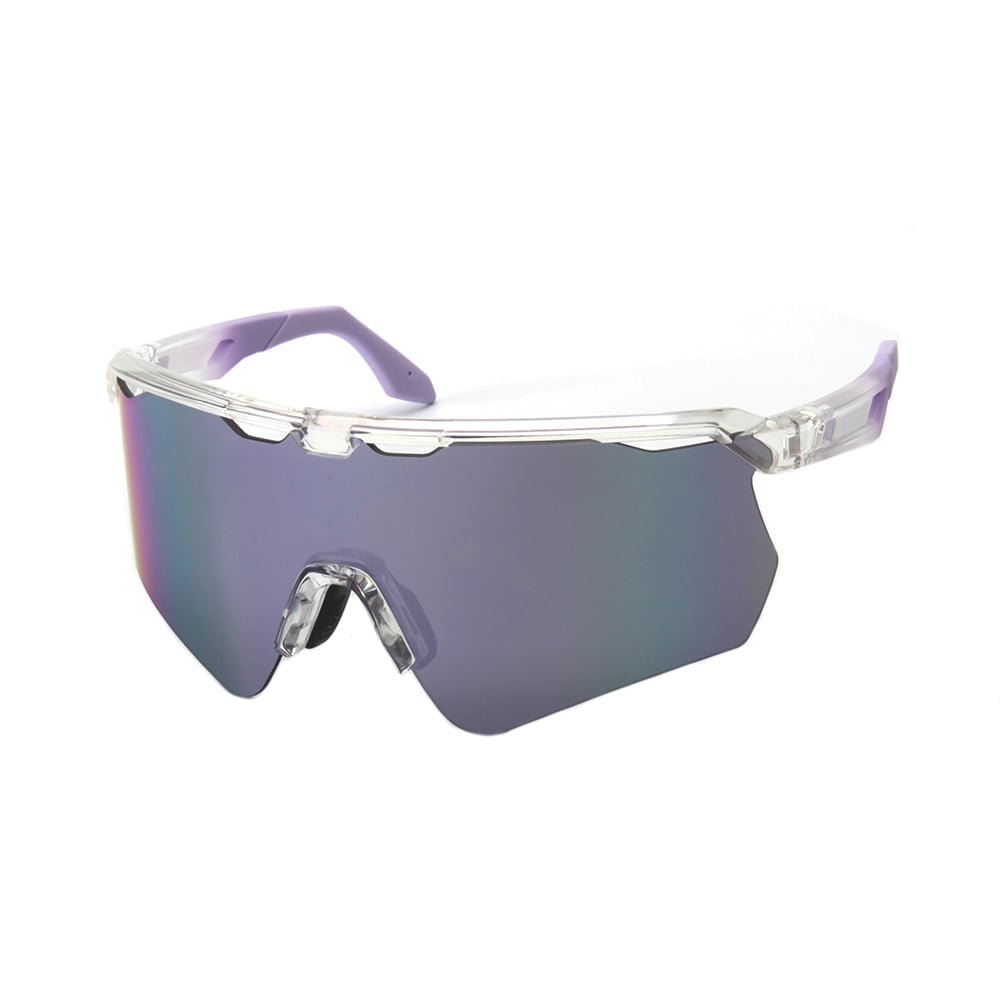
Effective fit stability testing combines mechanical assessment with real-world simulation, creating a comprehensive evaluation framework. The objective is to identify design weaknesses, material degradation, and structural vulnerabilities before products reach consumers. Performance sunglasses used in professional sports must withstand extreme conditions including temperature fluctuations, sustained pressure from facial contact, and repeated stress from impact and movement. By implementing structured testing procedures, manufacturers ensure that running sunglasses deliver consistent comfort and security, while cycling sunglasses maintain optimal optical alignment during extended outdoor sessions.
Understanding Fit Stability Requirements for Sports Eyewear
Defining Fit Stability in Performance Context
Fit stability refers to a frame's ability to maintain proper positioning and structural integrity under dynamic conditions. For sports sunglasses, this encompasses resistance to slippage, frame warping, nose piece deformation, and lens shifting during intense activity. Performance sunglasses must achieve a delicate balance between lightweight construction and rigid support, ensuring athletes experience minimal distraction from eyewear adjustment during competition. Running sunglasses demand particular attention to forward motion stability, where vertical and horizontal forces challenge frame retention. Cycling sunglasses require lateral stability resistance due to body rotation and directional changes inherent in this sport.
Industry Standards and Compliance Benchmarks
Most performance sunglasses manufacturers reference ANSI Z80.3 and ISO 12312 standards for optical safety and basic frame durability. However, fit stability testing often exceeds these baseline requirements, particularly for premium athletic eyewear. Running sunglasses designed for marathons and trail running need specialized stability testing that accounts for repetitive impact and sustained perspiration exposure. Cycling sunglasses undergo testing protocols that simulate pack riding conditions, altitude changes, and rapid temperature shifts. Understanding these benchmarks helps manufacturers establish realistic performance targets and validate that their sports sunglasses prototypes meet or exceed athlete expectations and regulatory compliance.
Practical Testing Procedures for Frame Stability Assessment
Mechanical Stress Testing Protocols
Begin fit stability evaluation using controlled mechanical testing that applies consistent force to critical frame components. Performance sunglasses prototypes should undergo nose piece flexing tests, where specialized equipment repeatedly applies lateral and vertical pressure to assess deformation resistance. This testing typically involves 10,000 to 50,000 compression cycles, simulating years of normal athletic use. Running sunglasses frames must demonstrate minimal gap closure at the bridge and nose area, as excessive compression indicates inadequate material selection or design flaws. Temple arm flexing tests evaluate the connection points where arms attach to front pieces, applying downward and outward forces to detect premature cracking or joint failure. Cycling sunglasses often require more aggressive temple testing due to helmet interactions and sustained lateral pressure during rides.
Environmental and Temperature Simulation Testing
Performance sunglasses experience temperature extremes that significantly impact material properties and structural stability. Thermal cycling tests subject sports sunglasses prototypes to repeated heating and cooling cycles, simulating morning mountain rides that transition to afternoon sun exposure and evening temperature drops. Materials contract and expand at different rates, creating internal stress that weakens joints and lens retention mechanisms. Running sunglasses used in varying climates must demonstrate stable performance across temperature ranges from minus five degrees to forty-five degrees Celsius. Humidity chamber testing evaluates how perspiration and moisture affect fit stability, particularly for adhesive bonds and metallic components prone to corrosion. Cycling sunglasses undergo salt fog testing to assess corrosion resistance, since riders are exposed to sea spray in coastal environments and road salt residue in winter conditions.
Evaluating Real-World Performance and Practical Validation
Athlete Field Testing and Feedback Integration
After laboratory testing confirms structural integrity, sports sunglasses prototypes require evaluation by actual athletes performing their respective sports. Running sunglasses should be tested during trail runs, tempo sessions, and long-distance events that generate sweat, impact, and repetitive head motion. Cycling sunglasses need field validation during road cycling, mountain biking, and competitive racing scenarios that introduce wind resistance, vibration, and thermal stress. Performance sunglasses developed for multi-sport athletes must accommodate transitions between different activity intensities and environmental conditions. Athlete feedback reveals practical fit stability issues that mechanical testing may not capture, including perception of security during rapid movements, comfort consistency during extended use, and material durability against real-world elements like dirt, sand, and chlorine exposure.
Long-Term Durability Monitoring and Adjustment
Successful sports sunglasses development requires extended monitoring periods that track how prototypes perform over weeks and months of regular athletic use. Running sunglasses should be monitored for progressive fit changes, lens coating deterioration, and frame material stress fractures that emerge only after accumulated wear. Cycling sunglasses need assessment of nose pad degradation, temple arm softening, and lens retention stability after sustained use in variable conditions. Performance sunglasses that pass initial field testing may reveal subtle fit instability patterns during extended use, prompting design refinements before mass production. These insights inform material selection, manufacturing tolerances, and design modifications that ensure final products deliver reliable fit stability throughout their intended service life. Documentation of these findings creates a performance database that improves future product development cycles and competitive positioning.
FAQ
How much compression deformation is acceptable in sports sunglasses frame testing?
Most quality manufacturers accept less than two percent permanent deformation in nose piece and bridge areas after mechanical testing cycles. Running sunglasses and cycling sunglasses typically target zero to one point five percent deformation rates to maintain optical alignment and comfort consistency. Performance sunglasses that exceed two percent deformation often exhibit fit instability complaints during actual use, indicating design or material issues requiring correction before production.
What temperature range should performance sunglasses prototypes endure during thermal cycling tests?
Standard thermal cycling for sports sunglasses spans minus ten to plus sixty degrees Celsius, with transitions occurring over two to four hour periods. This range simulates extreme athletic environments including high-altitude mountain sports, desert trail running, and arctic cycling expeditions. Running sunglasses and cycling sunglasses tested within this range demonstrate material stability across real-world conditions athletes encounter globally.
How many athlete testers should evaluate sports sunglasses prototypes before production launch?
Minimum recommendations suggest five to ten experienced athletes per sport category, with each performing at least twenty to thirty hours of activity wearing the performance sunglasses prototypes. This sample size reveals consistent fit stability patterns while providing diverse feedback across different facial structures and athletic styles. Running sunglasses and cycling sunglasses benefit from including athletes with varying experience levels, body types, and usage intensities to ensure broad market compatibility.



