
 EN
Photochromic vs Mirrored Lenses in Sports Sunglasses: Key Differences for Buyers
Compare photochromic and mirrored sports sunglasses on light adaptation, glare control, UV protection, best use for running and cycling.
Choosing the right lens technology for your sports sunglasses can significantly impact your athletic performance, comfort, and visual clarity during intense training or competition. Two of the most popular options available today are photochromic and mirrored lenses, each offering distinct advantages depending on your specific activity, environment, and personal preferences. Understanding the key differences between these two technologies will help you make an informed decision that aligns with your needs as an athlete.
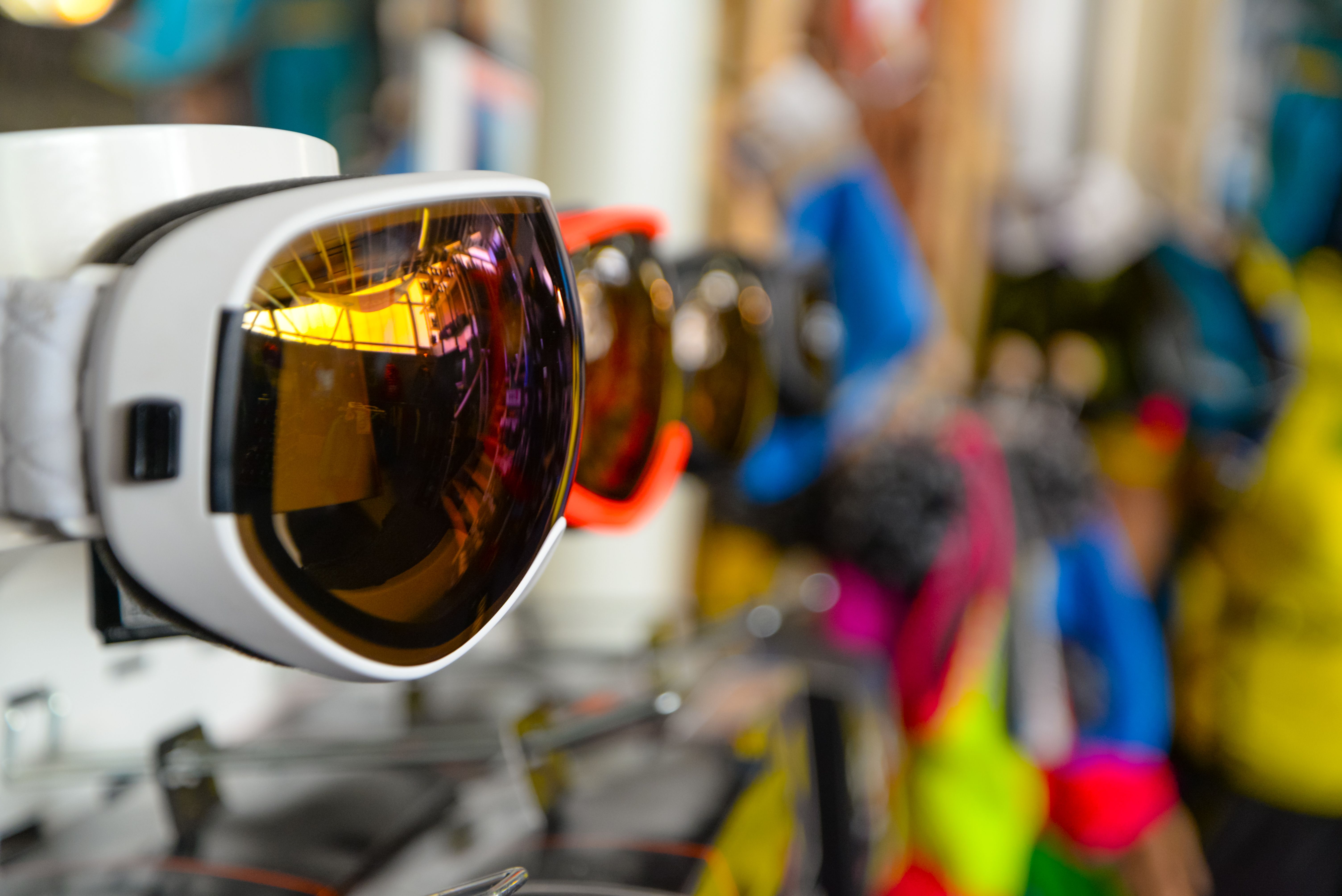
Athletic eyewear has evolved dramatically over the past decade, and performance sunglasses now incorporate advanced optical technologies that were once considered luxury features. Both photochromic and mirrored lens options are engineered to enhance visual performance, reduce glare, and protect your eyes during demanding physical activity. However, they work through entirely different mechanisms, making one option potentially more suitable for your sport than the other.
Understanding Photochromic Lens Technology
How Photochromic Lenses Adapt to Light
Photochromic lenses contain specialized organic compounds that undergo chemical changes when exposed to ultraviolet radiation from the sun. This chemical reaction causes the lenses to darken automatically in bright conditions and lighten again when you move into shade or indoors. For runners and cyclists who train in varying light conditions, this adaptive capability means your sports sunglasses continuously adjust without requiring manual lens swaps or removal.
The darkening process typically occurs within seconds to a minute, while lightening takes slightly longer, usually two to five minutes after leaving direct sunlight. Modern photochromic performance sunglasses offer faster transitions than older generations, making them increasingly practical for high-intensity activities where consistent visual clarity is essential. The technology works across a range of lens darkness levels, from barely tinted to nearly opaque, depending on UV intensity.
Advantages for Athletic Performance
Running sunglasses and cycling sunglasses equipped with photochromic lenses excel in environments with changing light throughout your workout. Early morning runs, late afternoon trail cycling, and indoor-to-outdoor transitions benefit enormously from automatic light adjustment. You eliminate the hassle of switching eyewear mid-session and maintain consistent eye comfort without the distraction of manual adjustments, which is crucial when your focus should remain entirely on athletic performance.
Another significant advantage is the versatility photochromic sports sunglasses provide for year-round training. Winter athletes particularly benefit from lenses that remain lighter on overcast days while still protecting against unexpected sunny breaks. Additionally, the entire lens surface adjusts uniformly, providing consistent optical quality across your entire field of vision without the distinct reflective patterns that mirrored lenses create.
Exploring Mirrored Lens Benefits
How Mirrored Coatings Enhance Vision
Mirrored lenses feature a specialized reflective coating applied to the lens surface that bounces incoming light away before it reaches your eyes. This coating creates the distinctive mirror-like appearance while serving a critical optical function: reducing the overall light intensity that penetrates the lens. Unlike photochromic technology, mirrored performance sunglasses provide consistent glare reduction regardless of UV exposure or ambient light conditions, making them particularly effective in extremely bright environments.
The mirror coating can be tailored to reflect specific wavelengths of light, creating different color variations such as gold, silver, or blue mirrors. Each mirror color offers subtle differences in how it filters light and enhances contrast. Cycling sunglasses with gold mirrored lenses, for example, often enhance contrast and depth perception on roads, while blue or silver mirrors excel in high-altitude running where UV exposure is most intense.
Performance Advantages in Intense Conditions
Mirrored sports sunglasses deliver immediate, predictable glare reduction that doesn't depend on any activation or transition time. For mountain cyclists navigating rocky terrain at high speed or runners competing in bright conditions, this instant performance is invaluable. The consistent optical properties throughout the session mean you experience stable vision without any adjustment period, and the distinctive reflective appearance itself can boost confidence and visual focus during competition.
Running sunglasses and cycling sunglasses with mirrored coatings also tend to offer superior glare elimination in water-based environments. Beach athletes, open-water swimmers, and cyclists near reflective surfaces benefit from the aggressive glare suppression that mirror coatings provide. Furthermore, the cosmetic appeal of mirrored lenses can enhance athletic style and confidence, which many competitive athletes value alongside pure optical performance.
Comparing Key Performance Factors
Light Control and Adaptation
The fundamental difference in light management between photochromic and mirrored sports sunglasses lies in their operational approach. Photochromic lenses offer dynamic adaptation to changing light conditions, making them ideal for training sessions where brightness varies significantly. However, they cannot adapt faster than their chemical reaction speed allows, which may feel sluggish during rapid transitions from sunlight into tunnels or dense tree cover. Mirrored lenses provide static, powerful glare reduction that never varies but cannot adjust if you move to dimmer environments without removing your performance sunglasses.
Environmental Suitability
Choosing between photochromic and mirrored sports sunglasses depends largely on your typical training environment. Athletes engaged in running sunglasses use across varied terrain and time-of-day schedules benefit from photochromic adaptation. Cyclists riding at consistent brightness levels in specific environments, and those prioritizing maximum UV protection in extreme conditions, often prefer the predictability and power of mirrored lenses. Altitude athletes and competitors in snow-based sports typically choose mirrored options because intense UV reflection from snow and ice demands aggressive light blocking that mirrored coatings deliver reliably.
Indoor-outdoor transitions represent another critical consideration. If you transition frequently between gymnasium training and outdoor running or cycling sessions, photochromic performance sunglasses minimize the need to remove eyewear indoors. Conversely, if your sport occurs primarily outdoors in one consistent brightness environment, mirrored sports sunglasses provide simpler, more predictable performance without unnecessary complexity.
FAQ
Can I use photochromic sports sunglasses indoors?
Yes, photochromic lenses will lighten significantly indoors since they respond to UV radiation, and most indoor lighting does not emit substantial UV. This makes running sunglasses and cycling sunglasses with photochromic technology convenient for athletes who train both indoors and outdoors. However, they will not lighten completely to a clear state indoors because some UV penetrates windows and some light remains, so they retain a slight tint.
Do mirrored sports sunglasses provide better UV protection?
Both photochromic and mirrored lenses can offer full UV400 protection, which blocks 100 percent of harmful ultraviolet radiation. The mirror coating itself does not inherently provide superior UV protection; rather, it enhances visible light reduction and glare suppression. Performance sunglasses, whether mirrored or photochromic, should be selected based on their UV protection rating, not lens type alone, to ensure adequate eye safety during athletic activity.
Which option is better for competitive cycling and running?
The best choice depends on your specific event and conditions. Running sunglasses for trail athletes with variable lighting often favor photochromic technology, while cycling sunglasses for road competitors in consistent bright conditions typically benefit from mirrored lenses. Consider your training environment, competition schedule, and the light conditions you most frequently encounter. Many serious athletes invest in both options and rotate them based on seasonal conditions and specific event requirements.



