
 EN
Ventilation Channels That Keep Sports Sunglasses Clear: A Technical Guide for Eyewear Buyers
Learn how ventilation channels in sports sunglasses stop fogging, why airflow differs for running and cycling, and ways to judge vents.
Serious athletes understand that clear vision directly impacts performance and safety. When moisture builds up on lenses during intense physical activity, it becomes impossible to maintain focus on the road, trail, or competition ahead. The difference between superior sports sunglasses and ordinary eyewear often comes down to a single critical feature: effective ventilation channels that keep lenses consistently clear. Understanding how these ventilation systems work transforms your ability to choose eyewear that truly supports athletic demands.
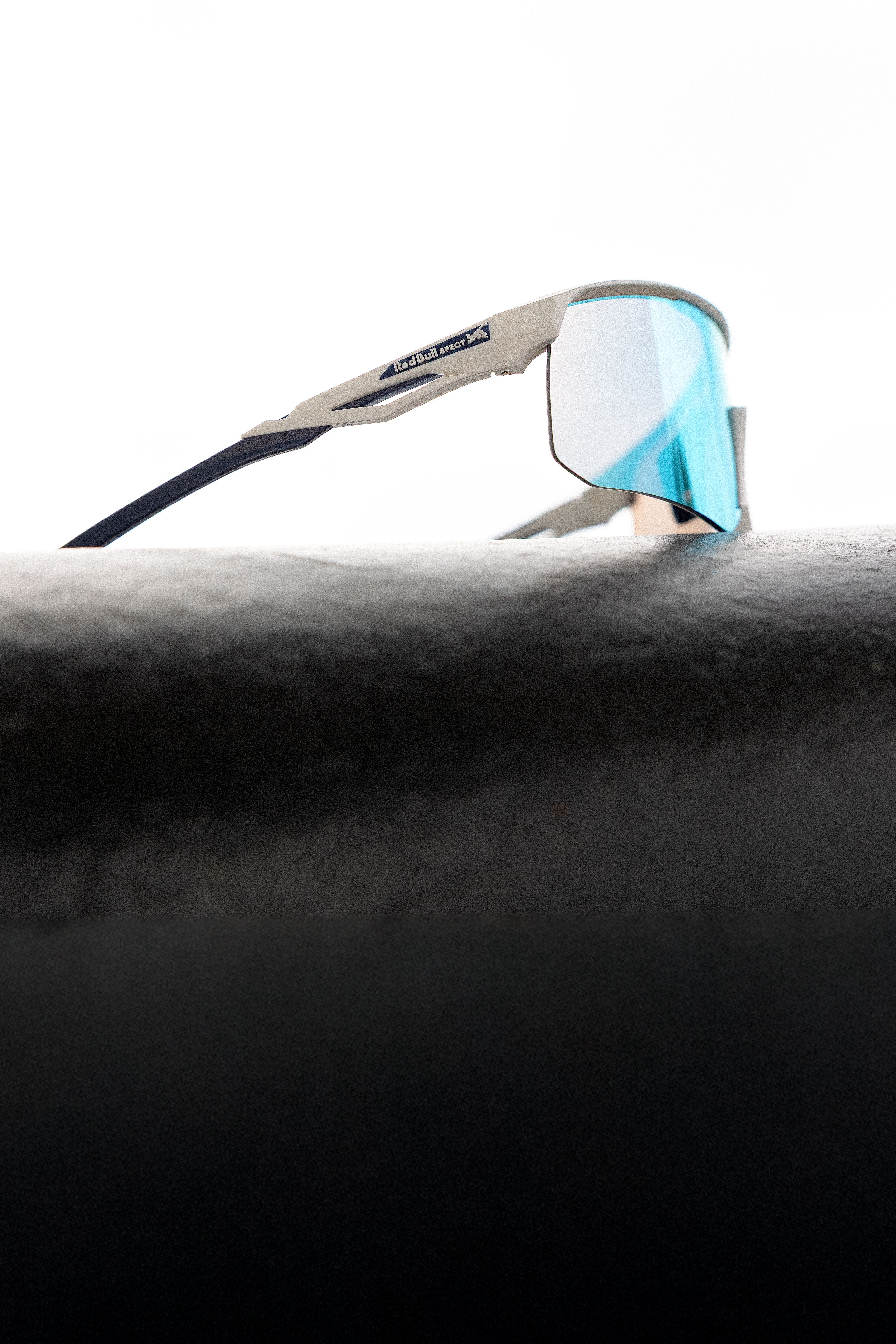
Performance sunglasses designed for running, cycling, and outdoor sports must manage both internal heat buildup and external moisture exposure. Ventilation channels serve as pathways that regulate air circulation around and behind the lens surface, preventing condensation from forming while maintaining optical integrity. This technical guide explores ventilation design principles, explains how different channel configurations function, and provides practical criteria for evaluating whether running sunglasses or cycling sunglasses meet your specific athletic needs.
How Ventilation Channels Work in Performance Sunglasses
Air Circulation and Condensation Prevention
Ventilation channels in performance sunglasses operate on a fundamental principle: continuous air exchange prevents moisture accumulation on lens surfaces. When you engage in intense physical activity, body heat increases and perspiration rises toward the face, creating a warm, humid microclimate directly behind the lenses. Without proper ventilation, this trapped moisture condenses on the cool lens surface, obscuring vision and forcing you to stop or adjust your eyewear repeatedly.
Strategically positioned ventilation channels create pathways for this warm, moist air to escape while allowing cooler, drier air to circulate through the lens area. Running sunglasses typically feature vents along the bridge and temple areas, while cycling sunglasses often incorporate larger channel systems along the upper and lower frames. The effectiveness of these channels depends on their placement, size, and connection to the overall frame geometry. When designed correctly, ventilation in performance sunglasses maintains optical clarity even during high-intensity efforts where moisture would otherwise become a serious problem.
Frame Design and Airflow Patterns
The physical design of ventilation channels directly influences how effectively air moves through the eyewear. Smooth, unobstructed channels allow air to flow naturally without creating turbulent patterns that trap moisture pockets. Performance sunglasses with curved, open-frame designs inherently facilitate better airflow than traditional closed frames, which explains why most modern running sunglasses and cycling sunglasses adopt wraparound or semi-wraparound configurations.
Channel diameter, length, and angle all affect ventilation efficiency in sports sunglasses. Larger diameter vents move more air volume but may compromise frame strength and structural integrity. Angled channels that follow the natural heat convection patterns of the face prove more effective than straight vertical vents. Top-tier performance sunglasses incorporate multiple ventilation pathways that work synergistically, with primary channels handling bulk airflow and secondary vents providing localized moisture management at critical points like the lower lens edge where condensation first appears.
Ventilation Designs Across Different Athletic Applications
Running Sunglasses Ventilation Features
Running sunglasses must balance ventilation with stability during high-impact movement. The repetitive motion and facial perspiration in running create unique demands that require thoughtful vent placement. Most running sunglasses incorporate ventilation channels along the bridge and upper frame where heat naturally rises, combined with discrete vents near the temple hinges. This design prevents moisture from pooling while maintaining secure lens positioning during stride.
The best running sunglasses feature graduated ventilation, meaning vent size increases from front to back, naturally directing moist air away from the lens surface toward open air. Many performance sunglasses designed for running also include internal ventilation ribs that guide moisture away from the optical zone without creating visually obvious external vents that might compromise aesthetics or protection from wind and debris.
Cycling Sunglasses Ventilation Architecture
Cycling sunglasses face different ventilation challenges because cyclists maintain forward-facing head positions for extended periods, and aerodynamic forces interact with frame ventilation in complex ways. Advanced cycling sunglasses incorporate aggressive ventilation channels that leverage wind pressure to actively drive moisture away from lenses. Large temple vents and upper frame openings that would appear excessive in running sunglasses function optimally during cycling where forward motion creates intentional airflow patterns.
Performance sunglasses engineered for cycling often feature asymmetrical ventilation, with larger vents on the upper frame to manage heat rising from facial exertion, combined with strategic lower vents that prevent moisture from accumulating below the lens line. The wraparound design common in cycling sunglasses enhances ventilation effectiveness because it extends the lens surface area and creates more natural convection space for warm air to escape while cool air enters from below.
Evaluating Ventilation Quality When Choosing Eyewear
Testing Methods and Performance Indicators
When selecting performance sunglasses or running sunglasses, assess ventilation quality by examining physical design features before relying solely on marketing claims. Look for visible ventilation channels that are smooth-surfaced and properly integrated into the frame structure rather than appearing as afterthought add-ons. Hold the eyewear up to light and verify that air pathways are genuinely open and unobstructed by internal components or lens coatings that might impede airflow.
Physical testing provides the most reliable ventilation assessment. Place the eyewear on your face and breathe heavily or simulate athletic exertion in temperature-controlled environments. Quality sports sunglasses demonstrate fast lens clearing after fogging, with moisture evaporating completely within seconds rather than persisting for minutes. Cycling sunglasses and running sunglasses should maintain clarity even when you alternate between warm and cool environments rapidly, simulating the thermal stress of transitioning from indoor warm-up to outdoor competition.
Frame Material and Ventilation Compatibility
The materials used in performance sunglasses construction significantly influence ventilation effectiveness. Rigid frame materials like polycarbonate or TR90 allow precise vent channel engineering and maintain structural integrity around larger openings. These materials enable sports sunglasses designers to create bigger, more efficient ventilation pathways than softer materials would safely support. Running sunglasses and cycling sunglasses made from modern performance polymers facilitate superior ventilation compared to older acetate or metal frame constructions.
Lens coatings also interact critically with ventilation. Anti-fog coatings on performance sunglasses work synergistically with ventilation channels to prevent moisture accumulation. Hydrophobic lens treatments that encourage water beading complement ventilation by allowing condensation to flow away from critical optical zones. When evaluating sports sunglasses, investigate whether the manufacturer specifies both ventilation channel design and complementary lens coating technologies, as these features work together to maintain clarity during athletic performance.
FAQ
Can performance sunglasses eliminate fogging completely during intense exercise?
Well-designed ventilation in performance sunglasses significantly reduces fogging, but complete elimination depends on multiple factors including ambient temperature, humidity, ventilation efficiency, and lens coating quality. The best sports sunglasses minimize fogging to seconds rather than minutes, with moisture clearing quickly during forward motion. Running sunglasses and cycling sunglasses with premium ventilation and anti-fog coatings perform best, though extreme conditions might still produce brief moisture accumulation that clears as soon as airflow increases.
Do cycling sunglasses require different ventilation than running sunglasses?
Yes, cycling sunglasses and running sunglasses prioritize ventilation differently because cyclists experience different facial positions, airflow patterns, and heat generation profiles. Cycling sunglasses leverage forward momentum to drive ventilation more aggressively, while running sunglasses emphasize upward heat escape and moisture management during vertical movement. Both represent valid performance sunglasses designs optimized for their respective sports, though the ventilation principles remain fundamentally similar.
How should I maintain ventilation channels in my sports sunglasses?
Keep ventilation channels clean by gently rinsing performance sunglasses under lukewarm water without submerging the frame joints where water might lodge. Avoid compressed air or forceful water spray that could drive debris deeper into channel pathways. Periodic cleaning with soft brushes designed for eyewear maintenance helps prevent dust or salt accumulation that restricts airflow in running sunglasses and cycling sunglasses. Regular maintenance preserves ventilation efficiency and extends the lifespan of your sports sunglasses investment.



