
 EN
Memory Properties and Heat Tolerance of TR90 Eyewear: Manufacturing Considerations for OEM/ODM Projects
Learn how TR90 eyewear memory and heat tolerance shape OEM & ODM projects, from shape recovery to thermal limits and molding control.
TR90 eyewear has become a cornerstone material in the optical industry, particularly for manufacturers developing OEM and ODM projects. Understanding the memory properties and heat tolerance of TR90 frames is essential for producing durable, high-quality eyewear that meets consumer expectations and withstands real-world conditions. The unique characteristics of this material directly influence design feasibility, manufacturing processes, quality control standards, and long-term product performance.
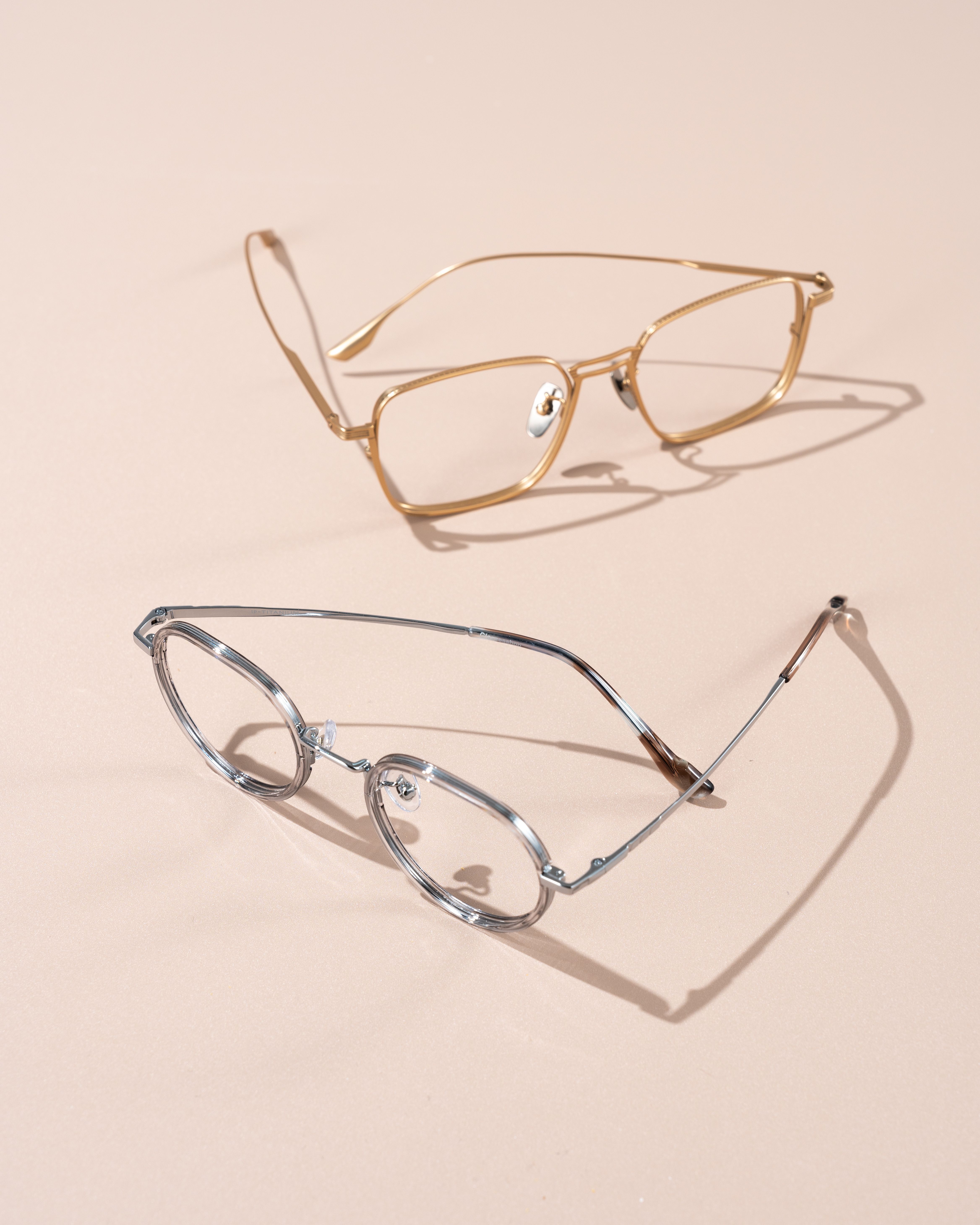
Manufacturers selecting TR90 eyewear materials must balance material performance against production constraints, cost efficiency, and end-user requirements. This guide examines the critical memory properties that define TR90 frames behavior, the temperature thresholds that affect structural integrity, and practical manufacturing considerations that determine success in competitive OEM and ODM markets.
Understanding TR90 Material Memory and Shape Recovery
What is Memory Property in TR90 Frames?
Memory property refers to the material's ability to return to its original shape after being deformed or bent. TR90 frames possess exceptional memory characteristics because the polymer chains retain shape information even after sustained stress. When wearers bend, twist, or compress flexible glasses made from TR90, the material temporarily deforms but gradually returns to its intended form once the external force is removed. This property distinguishes TR90 from rigid acetate or metal frames, which may crack, permanently bend, or develop stress marks under similar pressure.
The molecular structure of TR90 allows for controlled flexibility combined with structural stability. Unlike conventional plastics that may become brittle or loose shape consistency, tr90 frames maintain dimensional accuracy across thousands of wear cycles. For OEM and ODM manufacturers, this memory property translates to reduced warranty claims, improved customer satisfaction, and stronger brand reputation in markets where durability directly influences purchasing decisions.
Recovery Time and Performance Standards
Recovery time is the period required for flexible glasses to fully return to their original configuration after stress removal. Most TR90 materials recover within seconds to minutes, depending on the degree of deformation and ambient temperature conditions. Manufacturers must establish internal quality benchmarks that define acceptable recovery profiles, typically specifying that 95 percent of shape restoration occurs within five minutes at room temperature. Testing protocols should simulate real-world stress scenarios, including child play stress, accidental crushing in bags, and sustained pressure from storage conditions.
Manufacturing facilities must validate that their specific TR90 formulations and frame designs meet recovery standards under various environmental conditions. Environmental chambers, compression testing equipment, and long-term wear simulation studies provide data that inform design decisions and process controls. For global OEM and ODM projects targeting diverse climates, recovery performance across temperature ranges becomes a critical specification that influences product viability in different regional markets.
Heat Tolerance Specifications and Thermal Boundaries
Glass Transition Temperature and Operating Limits
Heat tolerance in flexible glasses depends primarily on the glass transition temperature (Tg) of the TR90 polymer. This is the temperature threshold where the material transitions from a rigid, glassy state to a more flexible, rubbery state. Most TR90 formulations exhibit a Tg between 85 and 105 degrees Celsius, though specific values vary based on polymer composition, additives, and manufacturing processes. Understanding this critical thermal boundary is essential because exceeding it causes permanent softening, loss of shape retention, and potential cosmetic deformations that render the eyewear unusable.
For OEM and ODM manufacturers, the practical operating temperature range is typically 40 to 70 degrees Celsius under continuous exposure conditions. This conservative range accounts for safety margins, quality consistency, and unexpected thermal events such as direct sunlight exposure or proximity to heat sources. Design engineers must incorporate thermal analysis into their product development workflows, ensuring that frame geometry, hinge mechanisms, and bridge designs maintain structural integrity throughout the intended use environment. Sunlit vehicles, beachside exposure, and proximity to heating equipment represent real-world thermal scenarios that testing protocols must simulate to ensure product reliability.
Thermal Cycling and Long-Term Stability
Thermal cycling, the repeated exposure to temperature fluctuations, represents a significant manufacturing consideration for tr90 frames intended for variable climate regions. Each thermal cycle introduces microstructural stress as the polymer expands and contracts. Over many cycles, this repetitive stress can accumulate, leading to material degradation, loss of memory properties, and premature failure. Manufacturers must conduct accelerated thermal cycling tests that simulate years of real-world exposure in compressed timelines, typically cycling between 20 and 60 degrees Celsius for hundreds of iterations.
UV exposure compounds thermal stress because ultraviolet radiation degrades polymer chains while heat cycles create mechanical strain. Stabilizer packages incorporated into TR90 formulations help mitigate this combined effect, but their efficacy directly depends on material selection and processing discipline. OEM and ODM manufacturers must establish supplier specifications that define minimum stabilizer concentrations, implement in-process quality checks to verify stabilizer distribution, and conduct post-production durability testing to confirm that finished eyewear maintains performance across the intended product lifespan.
Manufacturing Process Considerations for OEM and ODM Projects
Injection Molding Parameters and Thermal Control
The injection molding process fundamentally shapes TR90 performance because temperature control during manufacture directly influences material properties in the finished eyewear. Mold temperatures, barrel temperatures, and cooling rates must remain within precise ranges to optimize material flow, prevent degradation, and ensure uniform molecular alignment. Excessive heat during molding risks pre-stressing the polymer, reducing available flexibility and memory capacity in the final frame. Conversely, insufficient heat prevents complete material flow, creating structural weak points and dimensional inconsistencies.
Manufacturers operating successful OEM and ODM facilities establish detailed process windows that specify barrel temperature zones, mold temperatures, injection pressure profiles, and cooling sequences. Regular calibration of equipment, thermal monitoring during production runs, and immediate adjustment protocols minimize variation between batches. Documentation systems that track temperature records, production parameters, and quality outcomes create traceability essential for identifying and correcting process drift before defective frames reach customers.
Material Selection and Quality Verification
TR90 resin quality varies significantly across suppliers, directly impacting eyewear performance and manufacturing efficiency. Manufacturers must establish rigorous incoming material inspection protocols that verify resin specifications including polymer molecular weight, stabilizer content, and moisture levels. Material testing laboratories conduct analysis such as differential scanning calorimetry to confirm glass transition temperature, rheological testing to validate melt flow characteristics, and mechanical testing to measure tensile strength and elongation. These verifications ensure that production batches consistently meet performance requirements.
Supplier relationships and long-term contracts provide stability for OEM and ODM manufacturers, reducing procurement variability and enabling collaborative quality improvements. Regular communication regarding material formulations, batch changes, or supply chain disruptions allows manufacturers to implement contingency processes before quality issues emerge. For global projects serving multiple markets with different regulatory requirements, material certifications documenting compliance with relevant standards become essential documentation supporting product claims and warranty coverage.
FAQ
How long does TR90 take to recover its original shape after bending?
Most TR90 frames recover approximately 95 percent of their original shape within five minutes at room temperature. Recovery speed depends on the severity of deformation, ambient temperature, and specific material formulation. Minor bends typically recover within seconds, while more pronounced deformations require longer recovery periods. Manufacturers should specify recovery expectations in product documentation and conduct testing to validate performance across anticipated use conditions.
What is the maximum safe temperature for flexible glasses made from TR90?
The safe operating temperature for TR90 eyewear typically ranges from 40 to 70 degrees Celsius under continuous exposure. Most TR90 materials have a glass transition temperature between 85 and 105 degrees Celsius, but this represents the threshold for permanent softening rather than the safe operating range. Exposure to temperatures exceeding 70 degrees Celsius for extended periods risks compromising memory properties and frame shape. Always consult manufacturer specifications for precise thermal limits based on formulation details.
Why is thermal cycling important when testing TR90 eyewear durability?
Thermal cycling simulates real-world exposure patterns where eyewear experiences repeated temperature fluctuations from storage, seasonal changes, and varying use environments. Each temperature cycle creates expansion and contraction stress in the polymer structure, potentially accumulating microstructural damage over time. Accelerated thermal cycling tests compress years of natural thermal exposure into short testing periods, revealing potential failure modes and material limitations before products reach customers. This testing is essential for developing robust OEM and ODM eyewear that performs reliably across diverse global markets and climate conditions.



