
 EN
Screwless vs Screw Hinge Titanium Glasses: Key Differences for Buyers
Confused between screwless and screw hinge titanium glasses? Compare durability, maintenance, repairability & fit—make the right choice for your lifestyle. Read now.
Choosing between screwless and screw hinge titanium glasses requires understanding the fundamental differences in construction, durability, and user experience. Both hinge designs serve the eyewear market, but they offer distinct advantages and trade-offs that directly impact how your glasses perform over time. For buyers evaluating lightweight titanium glasses or beta titanium glasses options, knowing these distinctions helps ensure the right choice aligns with your lifestyle and expectations.
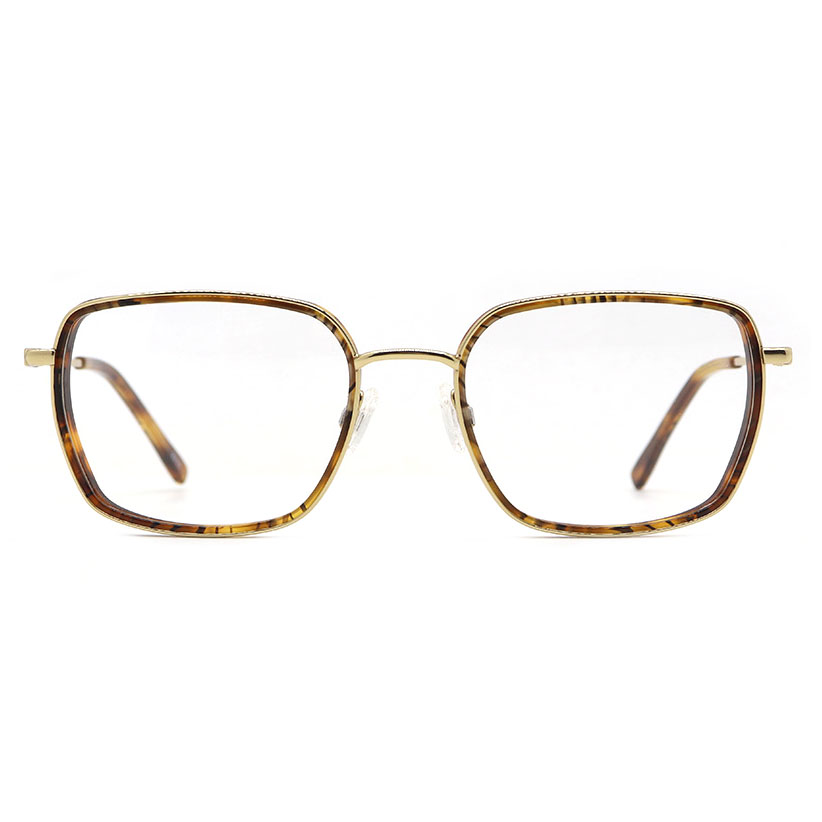
The hinge mechanism is one of the most critical structural elements in eyewear design. Screwless hinges and traditional screw-based hinges represent two different engineering philosophies, each addressing durability, maintenance, and manufacturing efficiency differently. Understanding how these systems work, their longevity profiles, and their practical implications in daily use will help you make an informed purchase decision aligned with your actual needs.
Hinge Construction and Engineering Design
How Screwless Hinges Function
Screwless hinges use a snap-fit or integrated locking mechanism that eliminates the need for traditional metal fasteners. Beta titanium glasses often feature this innovative design, where the hinge components interlock through molded grooves or spring-loaded mechanisms. This construction method reduces the number of separate components while maintaining structural integrity. The removal of screws simplifies assembly during manufacturing and reduces the risk of loose fasteners developing during use.
The engineering of lightweight titanium glasses with screwless hinges emphasizes seamless integration between the frame and hinge assembly. Manufacturers design these frames so the hinge mechanism becomes part of the overall frame structure rather than a bolted attachment. This approach allows for tighter tolerances and more consistent quality control, since fewer movable parts reduce assembly variables. The result is often a more refined feel and better initial fit precision.
Traditional Screw-Based Hinge Systems
Screw hinges rely on metal fasteners—typically small screws—to hold the hinge barrel and frame together. This time-tested approach has dominated eyewear manufacturing for decades because it offers proven durability and straightforward repair capabilities. When titanium glasses use screw hinges, the design allows individual component replacement, making maintenance straightforward for users and repair professionals alike. A loose screw can be tightened; a damaged hinge can be replaced without affecting the rest of the frame.
The screw-based system provides modularity that screwless designs cannot match. Technicians can access the hinge mechanism easily, adjust tension, clean internal components, and perform targeted repairs. For users who wear their titanium glasses daily in demanding environments, this accessibility translates to practical long-term value. The proven track record of screw hinges across millions of frames gives buyers confidence in their reliability and repairability.
Durability and Long-Term Performance
Screwless Hinge Longevity
Screwless titanium glasses eliminate the gradual loosening that occurs with screw hinges over extended use. Without external fasteners to vibrate or shift, the hinge mechanism remains stable through repeated opening and closing cycles. Lightweight titanium glasses with screwless hinges can maintain their structural integrity for years without requiring routine tightening. However, when screwless hinge components fail—whether due to material fatigue or impact damage—repair options become extremely limited.
The sealed design of screwless hinges protects internal mechanisms from dust, moisture, and debris that can accumulate over time. This environmental protection contributes to consistent performance throughout the frame's lifespan. Beta titanium glasses particularly benefit from this sealed architecture because beta titanium material itself resists corrosion, and the screwless hinge prevents moisture from reaching fastening points. The combined effect extends the functional lifespan in diverse climates and environments.
Screw Hinge Durability Characteristics
Screw hinges require periodic tightening as normal wear develops micro-movements in the fastening points. This maintenance need is predictable and manageable with basic tools, making it part of standard eyewear ownership. Titanium glasses with screw hinges maintain excellent durability when users follow simple upkeep routines. The modularity of screw systems means a worn hinge barrel can be replaced without retiring the entire frame, extending the overall lifespan and value of your investment.
Impact damage presents a different durability profile for screw-based hinges. If a frame experiences a significant drop or impact, screw hinges may become misaligned but remain functional after adjustment or replacement. The ability to address damage through component-level repair rather than complete frame replacement represents a substantial practical advantage. This repairability factor makes lightweight titanium glasses with screw hinges particularly attractive for buyers who prioritize longevity and cost-effective maintenance over convenience.
Maintenance, Comfort, and User Experience
Daily Maintenance Requirements
Screwless titanium glasses require minimal routine maintenance beyond standard lens cleaning and occasional frame inspection. The sealed hinge design eliminates the need for users to access or tighten fasteners, making daily ownership more hassle-free. This low-maintenance profile appeals to busy professionals and casual wearers who prefer not to think about eyewear mechanics. Beta titanium glasses with screwless hinges represent the modern approach to reducing user burden in eyewear care.
Screw-hinged titanium glasses demand periodic tightening—typically every few months depending on usage intensity. Users notice that hinges gradually become slightly looser, affecting comfort and optical alignment. A simple screwdriver adjustment resolves this issue, but the task requires awareness and initiative from the wearer. Buyers must factor this routine maintenance into their decision-making. For users committed to maintaining their eyewear, the screw-based system poses no practical hardship and offers substantial repair advantages when problems arise.
Comfort and Fit Stability
Lightweight titanium glasses with screwless hinges offer superior initial comfort because the sealed design prevents component micro-movements that can create pressure points or fit inconsistencies. The frame maintains its intended bridge fit and temple angle with complete consistency. Users experience stable comfort from day one without the need for adjustment periods that sometimes accompany new eyewear. This consistent fit profile is particularly valuable for people with sensitive skin or specific comfort requirements.
Screw hinges in titanium glasses can develop subtle fit changes as fasteners experience wear. Slight movement in hinge barrels may cause temples to angle differently or pressure distribution to shift marginally. Regular tightening restores the original fit, but users must recognize when this maintenance becomes necessary. Some wearers prefer the fully stable fit of screwless designs, while others accept these minor adjustments as part of owning quality eyewear and appreciate the repair flexibility that screw systems provide.
FAQ
Are screwless titanium glasses more durable than screw-hinged models?
Screwless titanium glasses excel at maintaining structural stability and resisting gradual loosening, while screw-hinged models offer superior repairability when damage occurs. Neither design is inherently more durable overall; they represent different durability profiles. Screwless hinges eliminate one common failure mode—loose fasteners—but offer limited repair options if the hinge mechanism fails. Screw hinges may require occasional tightening but provide straightforward solutions for nearly any hinge problem. Your choice should depend on whether you prioritize zero maintenance or maximum repair flexibility.
Can lightweight titanium glasses with screwless hinges be repaired?
Repair options for screwless hinges are significantly more limited than for screw-based systems. If the hinge mechanism fails due to material fatigue or impact damage, professional repair typically requires hinge replacement, which involves removing components bonded or integrated into the frame structure. Some manufacturers can perform replacement, but the process is more complex and expensive than replacing a modular screw hinge. Beta titanium glasses buyers should confirm repair availability with their frame manufacturer before purchase if durability assurance matters to your decision.
Which hinge type is better for active users?
Screwless titanium glasses suit active users who prefer maintenance-free operation and value stable, consistent fit without periodic adjustments. The sealed design protects hinges from environmental exposure during outdoor activities. Screw-hinged lightweight titanium glasses may be better for extremely active users because impact damage can be addressed through component replacement rather than requiring expensive hinge restoration. Active users should also consider their environment—high-moisture or dusty settings may favor the sealed design of screwless hinges, while users in urban environments may prioritize the repair accessibility of screw systems.



