
 EN
Core Wire Insertion Methods in Acetate Eyewear Temples: Key Differences and Selection Factors
Compare core wire insertion techniques for acetate eyewear. Learn manual, semi-auto & automated methods for custom acetate frame durability and production planning.
Core wire insertion is a critical manufacturing technique in the production of high-quality acetate frames. The method chosen directly affects the durability, comfort, and aesthetic appeal of the final eyewear product. Understanding the differences between various wire insertion approaches helps manufacturers and designers make informed decisions when developing custom acetate eyewear for premium markets. The precision required in this process separates mediocre frames from exceptional ones that command retail presence and customer loyalty.
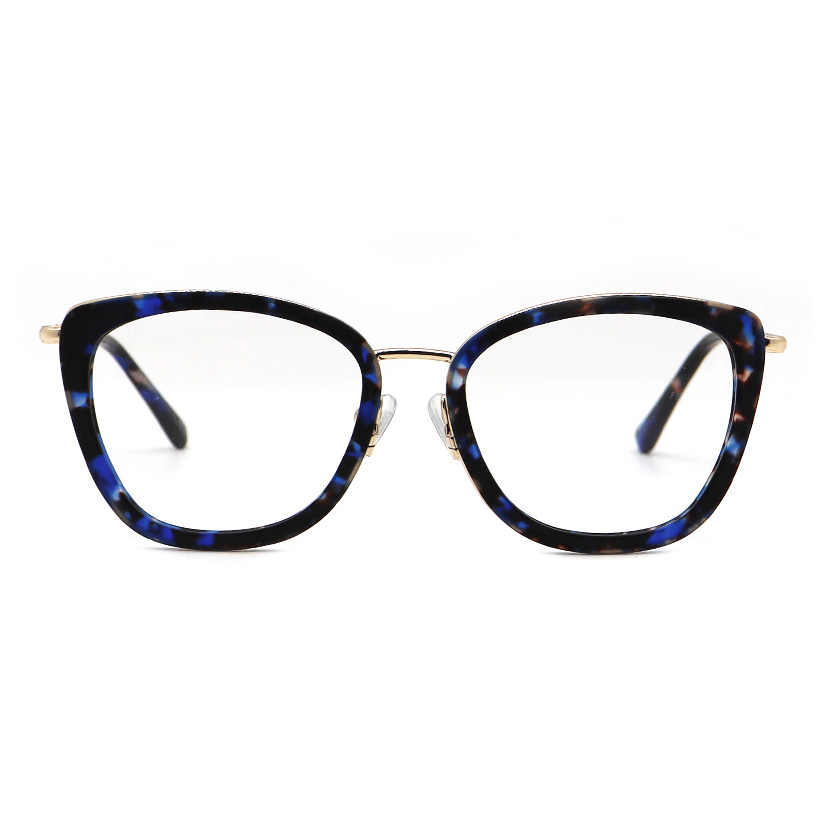
When manufacturers produce handcrafted acetate eyewear, the core wire serves as the structural foundation that allows temples to flex naturally while maintaining their shape. Different insertion methodologies yield distinct performance characteristics, cost structures, and visual outcomes. The selection of the appropriate technique depends on production volume, desired comfort level, aesthetic preferences, and target market positioning. This comprehensive guide explores the major wire insertion methods, their technical distinctions, and the practical factors that influence selection.
Understanding Wire Insertion Fundamentals
The Role of Core Wires in Temple Construction
Core wires embedded within acetate frames provide essential structural support and flexibility to temple arms. These wires allow the temples to flex around the wearer's head without losing their original form, ensuring consistent fit and comfort throughout the eyewear's lifespan. In high-quality acetate eyewear, the wire acts as an internal skeleton that prevents cracking and permanent deformation caused by daily handling, adjustment, and stress. The material, gauge, and insertion method of the core wire fundamentally influence how well the finished acetate eyewear performs under real-world conditions.
Manufacturing Implications of Wire Choice
The choice of wire insertion method directly impacts production complexity, labor requirements, and final product cost. Handcrafted acetate frames demand precise insertion techniques that balance automation efficiency with artisanal quality standards. Different methods require varying levels of skill, equipment investment, and quality control oversight. Manufacturers of custom acetate eyewear must evaluate whether manual insertion, semi-automated processes, or fully automated systems best serve their production goals while maintaining the premium positioning their brand requires.
Core Wire Insertion Methods Compared
Manual Insertion Technique
Manual insertion remains the traditional approach favored by artisan manufacturers and small-batch producers. Skilled technicians carefully thread wires into pre-drilled channels using specialized tools, ensuring proper alignment and tension throughout the temple length. This method allows craftspeople to inspect each frame individually and make real-time adjustments to ensure optimal fit and function. Manual insertion in custom acetate eyewear production supports the handcrafted narrative and enables customization that appeals to premium market segments valuing authenticity and attention to detail.
Semi-Automated Insertion Systems
Semi-automated approaches combine mechanical assistance with human oversight, increasing production speed while maintaining quality control. Machines guide the wire path and apply consistent pressure, while operators position frames and monitor insertion quality in real time. This hybrid method reduces labor intensity compared to fully manual processes while retaining the flexibility to accommodate design variations common in acetate frames. Many modern producers of handcrafted acetate eyewear opt for semi-automated systems because they deliver consistent results without sacrificing the artisanal character their customers expect and value.
Fully Automated Wire Insertion
Fully automated systems represent the highest efficiency approach, capable of processing large production volumes with minimal human intervention. These machines precisely measure, position, and insert wires at speeds impossible for manual methods, making them ideal for high-volume acetate eyewear manufacturing. However, automated systems require significant upfront investment and work best with standardized frame designs that remain consistent across production runs. While this approach maximizes output per labor hour, it may sacrifice the design flexibility and customization capability that define premium custom acetate eyewear offerings.
Selection Factors and Industry Context
Production Volume and Scaling Considerations
Production volume represents the primary driver of method selection in acetate eyewear manufacturing. Small boutique producers creating limited-edition handcrafted acetate eyewear pieces rely on manual insertion to maintain quality and preserve brand positioning. Mid-volume manufacturers often adopt semi-automated approaches that balance efficiency gains with flexibility for design changes. Large-scale producers requiring thousands of units monthly justify investments in fully automated systems despite their inflexibility, as the per-unit cost advantage far outweighs the loss of design customization. Understanding your production scale determines which insertion method economically aligns with business objectives.
Quality and Aesthetic Requirements
Premium market segments often value visible craftsmanship and meticulous attention to detail, making manual or semi-automated methods preferable for custom acetate eyewear targeting luxury consumers. The ability to inspect and adjust each frame during assembly ensures consistent quality that justifies premium pricing. Conversely, mass-market segments prioritize cost efficiency, accepting the standardized appearance that automated systems inherently produce. Manufacturers must align their chosen wire insertion method with target customer expectations regarding craftsmanship, customization, and the overall story their acetate frames tell about brand positioning and values.
Design Flexibility and Innovation
Handcrafted acetate eyewear designs often feature unique temple configurations, variable thickness, and custom curves that challenge automated insertion equipment. Manual and semi-automated methods accommodate these design innovations more readily, allowing creative exploration without expensive retooling or equipment reprogramming. Designers working with custom acetate eyewear benefit from insertion methods that enable rapid prototyping and iterative refinement. Fully automated systems excel at consistent reproduction but struggle with novelty, making them less suitable for brands emphasizing design innovation and differentiation through distinctive visual character.
Performance Implications and Long-Term Durability
Stress Distribution and Comfort Factors
The precision of wire insertion directly affects how stress distributes across temple structures during wear. Properly inserted cores in quality acetate eyewear allow temples to flex smoothly without concentrating stress at connection points, extending eyewear lifespan and enhancing comfort. Inconsistent insertion can create weak points where wires shift or separate, leading to premature failure and customer dissatisfaction. Whether using manual placement or automated equipment, the consistency and correctness of wire positioning fundamentally determines whether the finished acetate frames deliver the comfort and durability that premium pricing requires and customers expect.
Long-Term Structural Integrity
Core wire selection and insertion methodology directly impact how acetate eyewear ages during extended customer use. High-quality wires properly installed resist corrosion, maintain consistent tension, and support temple shape indefinitely. Poorly inserted wires may shift, causing visible deformation or functional failure within months. Handcrafted acetate eyewear often benefits from the inspection advantages of manual insertion, where quality issues are caught before products reach customers. Manufacturers investing in superior insertion techniques build brand reputation through eyewear that outlasts customer expectations, generating positive reviews and repeat purchases that prove more valuable than short-term cost savings through inferior processes.
FAQ
What gauge wire works best for acetate eyewear temples?
The optimal wire gauge for acetate frames typically ranges from 0.8mm to 1.2mm diameter, depending on temple length, acetate thickness, and intended use. Standard optical eyewear usually employs 0.9mm to 1.0mm stainless steel wires that balance flexibility with sufficient structural support. Heavier gauges provide greater rigidity but reduce comfort through increased resistance to temple flexing, while thinner wires risk deformation under normal wear stress. The specific selection depends on the design philosophy of your handcrafted acetate eyewear and the performance characteristics your target market values most.
How does wire insertion affect frame aesthetics and finish?
Manual insertion methods in custom acetate eyewear production allow controlled finishing that conceals wire entry points seamlessly, maintaining visual elegance and premium appearance. Semi-automated and automated systems can achieve similar results with consistent quality, though the finishing process requires careful polishing and blending to hide insertion traces. Visible wire ends or uneven surface finishes signal lower craftsmanship and undermine premium positioning in acetate frames. Manufacturers must ensure their chosen insertion method integrates seamlessly with finishing processes, preserving the aesthetic integrity that justifies premium pricing and drives customer satisfaction with handcrafted acetate eyewear.
Can custom designs work with automated wire insertion systems?
Fully automated systems work optimally with standardized designs but can accommodate limited customization through equipment reprogramming and specialized tooling. However, frequent design changes incur significant costs and production delays that offset efficiency advantages. Handcrafted acetate eyewear brands emphasizing design innovation typically find semi-automated or manual insertion methods more economically practical because they enable rapid transitions between custom designs without expensive retooling. Balancing automation's efficiency with design flexibility remains an ongoing challenge for manufacturers of custom acetate eyewear seeking both production efficiency and creative differentiation.



