
 EN
Common Packaging and Labeling Errors in Private Label Sunglasses Orders: Practical Quality Control Steps
Struggling with rejected sunglasses shipments? Discover 5 proven quality control steps to eliminate labeling errors, compliance gaps, and packaging damage. Implement now.
Manufacturing and distributing private label sunglasses requires meticulous attention to detail at every production stage. Among the most frequently overlooked yet costly errors are packaging and labeling mistakes that can damage brand reputation, trigger customer returns, and create compliance issues. When private label sunglasses arrive at distribution centers or retail partners with incorrect labels, missing certifications, or damaged packaging, the entire order can be delayed or rejected. Understanding these common pitfalls and implementing structured quality control steps allows manufacturers and brand owners to catch defects before products reach the market.
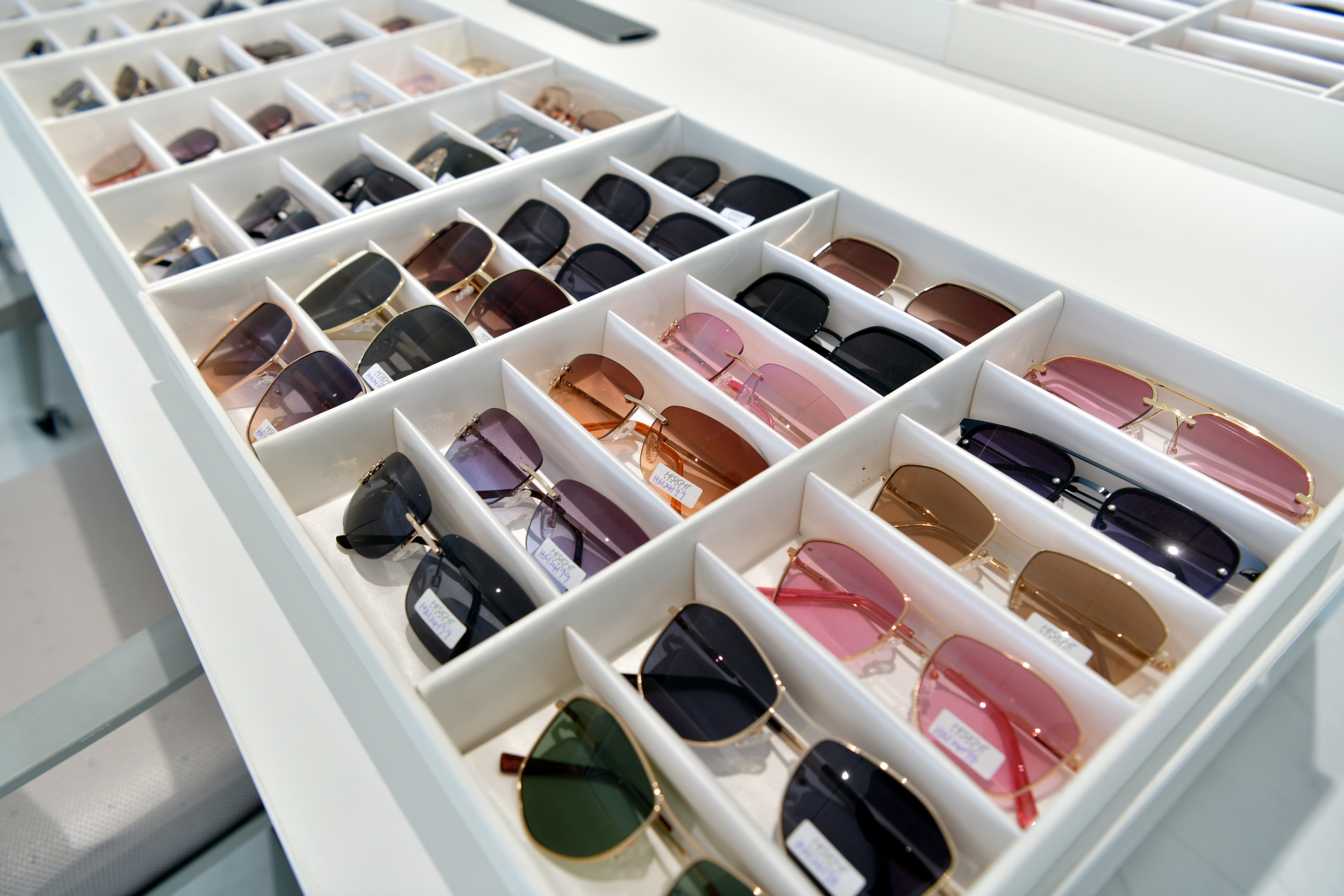
The stakes for private label sunglasses quality control are particularly high because your brand identity is directly tied to how products are presented and delivered. Custom brand sunglasses must meet regional regulatory requirements, include accurate UV protection ratings, and display proper manufacturer information. OEM sunglasses manufacturing processes involve coordinating between design teams, production facilities, and logistics partners, creating multiple touchpoints where labeling and packaging errors can occur. A proactive approach to quality inspection during the final stages of production prevents expensive rework and protects customer trust.
Common Packaging and Labeling Defects in Sunglasses Orders
Incorrect or Missing Label Information
One of the most prevalent issues in private label sunglasses production is incomplete or inaccurate label data. Labels must display your brand name, country of origin, manufacturer details, and material composition clearly and legibly. Many manufacturers fail to update label templates when product specifications change, leading to outdated UV protection claims or incorrect lens material descriptions. For custom brand sunglasses, labels must also comply with region-specific regulations such as FDA requirements in North America or CE marking standards in Europe. Mismatched label information can result in regulatory rejections and customer complaints.
Packaging Damage and Poor Storage Conditions
Physical damage to packaging often occurs during manufacturing, warehousing, or transit but goes undetected until final inspection. Custom brand sunglasses packaging that is dented, creased, torn, or moisture-damaged compromises both aesthetics and product protection. OEM sunglasses manufacturing facilities sometimes lack adequate climate control, allowing humidity to warp packaging materials or cause ink bleeding on labels. Inconsistent storage practices between production and shipping can lead to significant losses. Quality control protocols must include visual packaging inspections at multiple stages, not just at the final packing line.
Regulatory Compliance and Documentation Issues
Missing Safety and Certification Markings
Private label sunglasses must display certifications proving UV protection standards and impact resistance. In many markets, a missing or illegible UV protection label can prevent retail partners from accepting an entire shipment. OEM sunglasses manufacturing requires documentation that proves lenses meet ANSI Z80.3 standards in the United States or equivalent international certifications. Custom brand sunglasses often skip or delay certification labeling during rush orders, creating significant compliance gaps. Labels must be tamper-proof, permanent, and positioned where consumers can easily verify authenticity and protection levels.
Language and Regional Compliance Errors
When private label sunglasses are destined for international markets, labels must be translated accurately and comply with local language requirements. Some manufacturers apply English-only labels to products intended for non-English-speaking regions, violating import regulations. Custom brand sunglasses labels for European distribution must include multilingual warnings, care instructions, and material disclosures. OEM sunglasses manufacturing partners may not maintain updated compliance databases for each target market, leading to repeated rejections. Quality control must verify label compliance for the specific destination country before final packaging approval.
Quality Control Steps to Prevent Packaging and Labeling Errors
Implement a Pre-Packing Inspection Protocol
Before any private label sunglasses enter packaging materials, conduct a detailed visual and physical inspection of the finished products. Verify that lenses are clean, frames are properly assembled, and no scratches or defects are visible. Check that all components mentioned on packaging labels are actually present in each unit. For custom brand sunglasses, create a checklist that includes UV protection verification, lens material confirmation, and frame color accuracy. Train quality inspectors to document defects photographically and quarantine nonconforming units immediately. This early stage catch prevents defective products from advancing to expensive packaging stages.
Audit Label Templates Against Current Specifications
Maintain a master control document that lists all active label designs and their corresponding product specifications. Before any batch of OEM sunglasses manufacturing begins, cross-reference the label template with current product certifications, material sourcing, and regulatory requirements. Assign one person or department responsibility for updating label templates whenever product formulations or certifications change. For private label sunglasses, review label proofs before printing large quantities, checking font sizes, color accuracy, and placement against brand guidelines. Consider implementing digital label tracking systems that prevent outdated templates from being accessed by production teams.
Establish Multi-Stage Packaging Verification
Quality control for custom brand sunglasses must include inspections at three critical packaging stages: individual unit packaging, bulk box assembly, and final pallet preparation. At the individual unit level, verify that labels are straight, fully adhered, and positioned correctly on each sunglasses case or packaging material. At the bulk box level, confirm that all required documentation, certificates, and safety information cards are included and not damaged. OEM sunglasses manufacturing facilities should use photographic documentation or barcode scanning to track which inspection stage each unit passed. Random sampling should be replaced with visual verification of every unit, especially for high-value orders.
Environmental Control and Storage Standards
Private label sunglasses packaging materials are sensitive to humidity, temperature fluctuations, and improper handling. Establish climate-controlled storage areas where packaging materials and finished products are maintained at consistent temperature and humidity levels. Custom brand sunglasses that spend extended time in damp warehouses risk label deterioration, adhesive failure, and packaging warping. OEM sunglasses manufacturing should include scheduled inspections of storage areas and documentation of environmental conditions. Implement a first-in, first-out inventory rotation system to prevent packaging materials from aging or degrading during storage.
Regulatory Compliance Checklists
Create region-specific checklists that detail all regulatory requirements for private label sunglasses labels in each target market. The checklist should include required languages, mandatory warnings, certification marks, and material disclosures. For custom brand sunglasses destined for multiple countries, organize the checklist by destination, showing which specific elements must appear on each regional label version. Have a compliance expert or consultant review the checklist annually and update it when regulations change. OEM sunglasses manufacturing partners should be required to acknowledge and sign off on compliance checklists before production begins, creating legal accountability.
FAQ
What are the most expensive packaging errors in private label sunglasses manufacturing?
The costliest errors typically involve regulatory non-compliance that forces product recalls or full shipment rejections. When custom brand sunglasses arrive without proper UV protection certifications, retail partners may refuse to accept the entire order, requiring rework or destruction. Packaging errors that allow product damage during transit also create returns and warranty claims that erode profit margins significantly. OEM sunglasses manufacturing delays caused by label corrections can cost thousands per day in facility overhead and logistics expenses.
How often should quality inspections occur during production runs?
For private label sunglasses, quality inspections should occur at minimum at the start of production, mid-run, and final verification before packaging. High-volume orders should include hourly spot checks to catch systematic errors early. Custom brand sunglasses with complex labeling or multiple language versions require more frequent inspections, ideally every two hours. OEM sunglasses manufacturing facilities should establish baseline inspection intervals and adjust frequency based on historical defect rates and order complexity.
Can packaging errors affect private label sunglasses brand reputation?
Yes, packaging and labeling errors directly damage brand perception among retailers and end consumers. When custom brand sunglasses arrive with damaged packaging or incorrect labels, retail partners perceive the brand as unprofessional and question product quality. OEM sunglasses manufacturing quality issues that reach consumers create negative reviews, returns, and loss of repeat business. Consistent packaging excellence builds brand trust and justifies premium pricing for private label sunglasses in competitive markets.



