
 EN
Common Quality Challenges in Sunglasses Production and How Manufacturers Solve Them
Struggling with scratches, lens misalignment, or colour inconsistency in sunglasses manufacturing? Discover how top suppliers prevent defects at every stage.
Where Quality Problems Appear on a Sunglasses Line
Every sunglasses production line meets the same handful of risks, however modern the equipment. Scratched surfaces, misaligned lenses, weak hinges, uneven colour, hazy coatings, a logo printed a millimetre off centre and an assembly that misses the approved sample can all slip through when a process relies on luck rather than control.
The difference between a reliable supplier and an unreliable one is rarely the absence of problems. It is how early they are detected and how firmly they are closed. In sunglasses production the recurring challenges are surface and finishing marks, lens fit and coating uniformity, hinge assembly and frame fatigue, colour and logo consistency, and the final checks that decide what reaches a warehouse.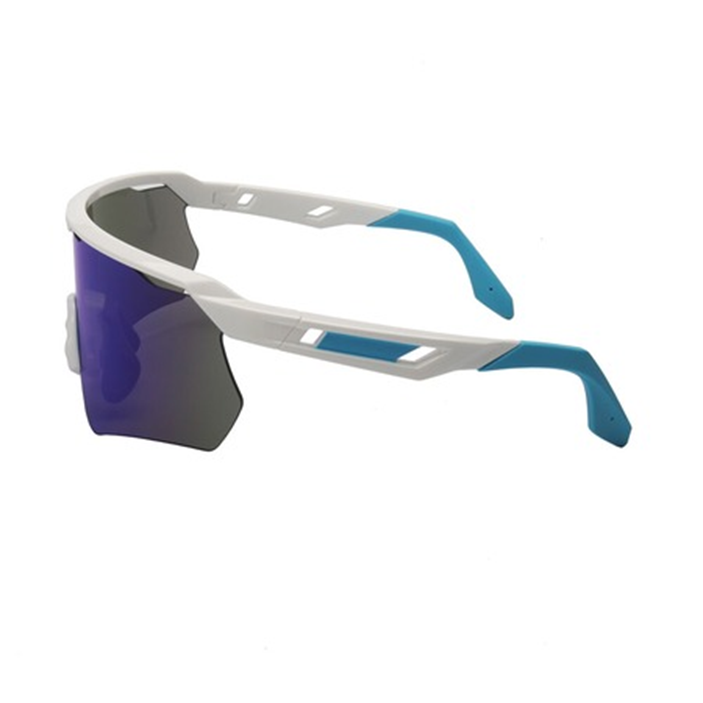
Surface Marks and Finishing Defects
In sunglasses production, a scratch is rarely one bad decision; it is the visible end of a handling habit repeated a thousand times.
Why Acetate and Coated Surfaces Show Scratches
Acetate and coated surfaces are soft enough to take a deep shine and vulnerable enough to hold a scratch. During cutting, milling, tumbling and polishing, frames pass through many handlings, and any abrasive contact leaves a fine line that becomes obvious under retail lighting. Glossy finishes carry the greatest risk because they reflect light.
Coated metal parts face a related problem. Plating and paint can be marked before the coating cures fully, and a part handled roughly between finishing and assembly emerges with a blemish no later step can remove. Rework on a finished coating is difficult, so prevention at the bench matters more than correction at the end.
Tumbling, Polishing and Handling Discipline
Tumbling and polishing develop the depth that makes an acetate frame look worth its price. The sequence uses media and compounds in stages, and the result depends on time, load and rotation being controlled rather than guessed. Rushing the polish leaves a dull surface, while overworking it can round edges meant to stay crisp.
Handling discipline protects the work once it leaves the drum. Frames stacked carelessly or passed between stations without protection pick up marks that assembly cannot undo. Soft trays and clean benches remove a large share of avoidable defects at almost no cost.
How In-Process Checks Catch Finish Faults
In-process inspection is the practical defence against finish marks, because it examines frames during production rather than at the end. Inspectors check surfaces and edges at the stages where scratches and trimming faults appear, so a problem is traced to its cause while the line is still running.
Controlled lighting makes those checks repeatable. A colour assessment cabinet and consistent viewing conditions let an inspector see the same flaws a customer will see, rather than judging under whichever lamp happens to be overhead. Criteria set against the approved sample mean the accepted finish is the finish the brand signed off.
Lens Fit, Alignment and Coating Uniformity
Lens fit is where sunglasses production shows its discipline, because tolerances around the lens read as large faults on a shelf.
Lens-to-Frame Fit and Optical Alignment
A lens that sits slightly proud, sits too deep or rotates within the frame spoils both look and fit. Lens-to-frame fit depends on the groove, the lens edge shape and the assembly method, and small tolerances combine to produce visible gaps or pressure on the lens. For sunglasses the audience notices this immediately.
Alignment affects how the frame sits as well. If the lenses are not mirrored correctly or the front is twisted, one side appears higher when worn. Checking symmetry and lens seating during assembly catches those faults before packing, and material behaviour matters, since acetate can settle while injected frames keep the mould geometry.
Coating Uniformity and Haze Control
Coatings and tints decide how a lens looks and how clearly it is seen through. A polarised or tinted lens that varies across its surface, or a coating with faint streaks, reads as a defect even when the frame is perfect. Uniformity is a measurable target rather than a matter of opinion, judged across the whole aperture.
Haze is the quieter cousin of a coating fault. A slightly cloudy lens may pass a casual look yet reduce clarity, and the effect is easy to miss against a busy background. Measuring haze gives an objective number, while clean handling protects the lens from dust and fingerprints as much as the coating process does.
Measuring Lens Consistency in the Laboratory
Laboratory instruments turn lens quality into data. A spectrophotometer for transmittance, an optical bench for spherical, astigmatic and prismatic power, a uniformity tester, a haze meter and a stress tester together confirm that a lens performs as specified rather than merely looking acceptable.
Uniformity testing is especially useful across a run. Sampling a batch shows whether the process is stable, and drift points to a change the factory can correct before a whole order is affected. For a buyer, measurable lens testing is a meaningful signal, because performance questions are answered with a number instead of an assurance.
Hinge Assembly and Frame Fatigue
Hinges are small components with an outsized effect on perceived quality in sunglasses production.
Hinge Alignment and Screw Integrity
A hinge that is misaligned makes temples splay unevenly, and a frame that does not fold flat feels cheap. Alignment depends on how the hinge seats in the frame and how consistently that seating is reproduced across a batch.
Controlling assembly torque and matching the fastener to the material protects the joint. On metal frames the hinge is often welded or riveted, which adds a demand on the joining process. None of this is visible on a new frame, which is why it matters, because hinge faults surface after repeated use.
Repeated Cycling and Spring Hinge Behaviour
A pair of sunglasses is expected to survive many open-and-close cycles, and that expectation is testable. A frame fatigue tester repeatedly opens and closes the hinge to expose weaknesses a single manual check would never reveal. The test turns durability from a hope into a measurement rather than an assumption.
Spring hinges add a comfort benefit and a testing requirement. The mechanism must flex without losing tension and the housing must hold it securely, so spring hinges are tested as their own case rather than lumped with all hinges. Where a combination performs poorly under cycling, the component or the assembly is revisited before the product ships.
Colour, Logo and Final Packing
The last ten per cent of sunglasses production decides the first impression a customer forms.
Colour Matching Across Acetate and Coatings
Colour is one of the most visible signals a brand controls and one of the easiest to lose at scale. Acetate patterns vary between batches, and a coated finish can shift with process conditions.
Managing colour means working to a reference rather than a memory. A retained colour block or approved finished sample gives the factory something concrete to match, and standard lighting removes the variability of daylight and workshop lamps. Where a frame mixes materials, one standard has to govern both finishes. That reference is what keeps a colour family stable across replenishment orders.
Logo Application and Final Packing Controls
A logo is the brand's signature on the frame, and its placement is judged instantly. Pad printing depends on a clean pad and controlled ink, hot stamping on temperature and dwell, and engraving on tool paths and depth. Each method drifts differently, so position, alignment and sharpness are checked in process.
Packing is part of quality, not an afterthought. A frame handled well but packed badly can still arrive scratched, and packaging that presents the product poorly damages the brand on the shelf. Final inspection treats the assembled pair as its subject, confirming lens seating, hinge action, finish and presentation.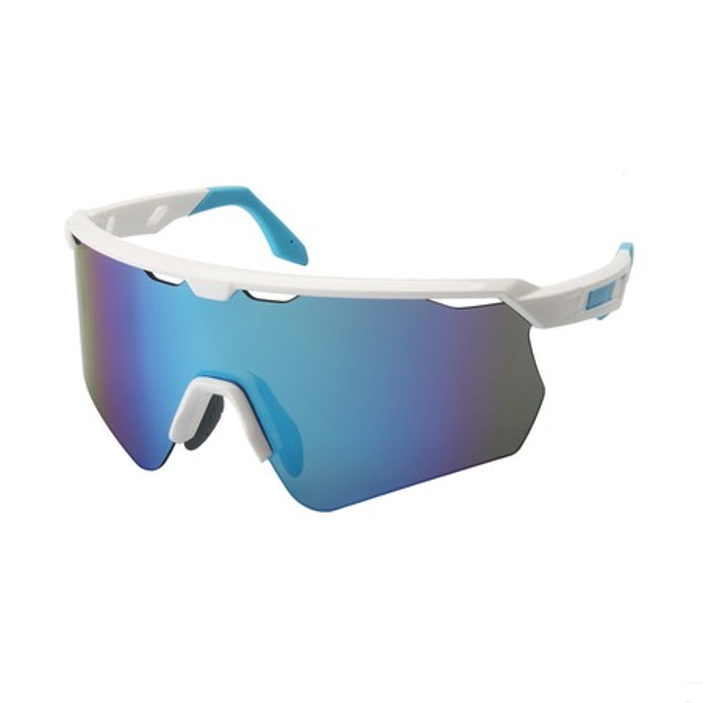
Frequently Asked Questions
How can a buyer tell whether a sunglasses supplier controls quality well?
Look for a clear three-stage inspection system and evidence that it operates in practice. A serious supplier describes incoming inspection of materials and components, in-process inspection during key production and assembly stages, and final inspection before packing, and shows what is checked at each step.
Why does colour consistency matter so much in sunglasses production?
Colour is the first thing a customer sees and the easiest thing for a returning buyer to notice if it changes. Acetate patterns and coated finishes shift between batches, and without a retained reference and controlled lighting a product sold across seasons drifts to a different shade, weakening shelf presence and creating returns.
Does scratch resistance depend on the material or the finishing process?
Both, and they interact. Acetate takes a deep gloss but holds fine marks, so tumbling, polishing and careful handling carry much of the responsibility. Coated metal parts depend on the coating curing properly and being protected until assembly, while injected frames depend on well-designed tooling and clean trimming. The finishing process decides whether the material's potential is realised.



