
 EN
From Concept to Production: How Sunglasses Manufacturers Support Brand Development
How expert sunglasses manufacturers transform brand concepts into scalable, consistent eyewear—engineering, sampling & quality control decoded.
Where a Sunglasses Programme Really Begins
A brand rarely arrives at a sunglasses manufacturer holding a finished design. What it brings is a mood board, a target retail price, a channel plan and a rough idea of who will wear the frame. The manufacturer converts that commercial intent into something that can be tooled, moulded, finished and packed at volume, without the specification drifting between the approved sample and the cartons in the warehouse.
That conversion is the real work of a custom programme, and it is where a sunglasses manufacturer separates itself from a trading company that forwards drawings to a subcontractor. The path runs from brief to engineering review, sample development, production preparation and final inspection, and every stage carries decisions that belong either to the brand or to the factory.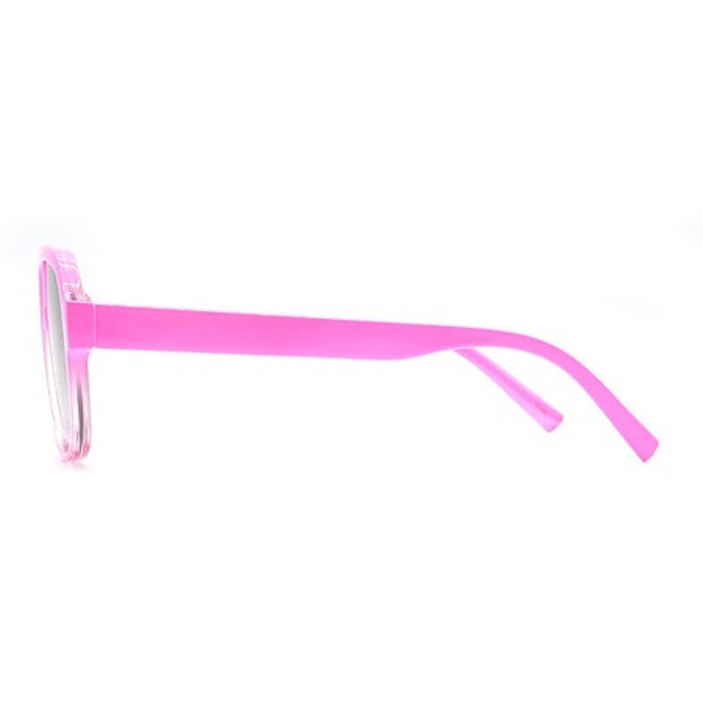
Design Brief and Product Specifications
The brief is the cheapest place for a brand and a sunglasses manufacturer to solve a problem, and the most expensive place to ignore one.
Turning a Brand Concept Into Measurable Requirements
A concept becomes buildable only when it is written as values rather than adjectives. Front width, bridge size, temple length, lens base curve, material, colour reference and target weight each need a number or a named standard. A buyer who asks for something bold and lightweight leaves the factory guessing.
A buyer who supplies a front width, a lens material and a maximum weight gives engineering a target to design against. Most factories keep a specification template and complete it with the brand, and that document becomes the master reference for sampling, tooling and inspection. An extra hour spent on it early is recovered many times later.
Frame Geometry, Fitting and Lens Requirements
Geometry decides how a frame feels on the face and how it photographs. Pantoscopic tilt, face form angle, lens shape and endpiece position interact, and a wraparound sports front is engineered differently from a classic optical-style shape. Where a programme covers several sizes, each front should be checked as its own geometry rather than scaled from one drawing.
Lens intent belongs in the same conversation. Material, tint, polarisation, UV-protection direction and decorative treatment all affect appearance and assembly. The brief should state whether the lens is plano or carries a correction, and how it should sit against the rim once the frame has settled.
Material and Component Decisions at Brief Stage
Material choice is a joint decision. Acetate offers depth and rich pattern, metal and titanium allow slim profiles with strength, and injection-moulded PC or TR90 suit volume and complex shapes. Mixed constructions combine those strengths, so the brief should specify which part uses which material instead of leaving the pairing to the bench.
Components deserve equal scrutiny. Hinges, screws, nose pads and temple tips decide how serviceable a frame is, and a hinge chosen for appearance rather than repeated cycling turns into a warranty cost. Where lower-impact materials are wanted, options such as CARBONITE, AEROLITE and OCEANTATE can be scoped for qualified projects.
Engineering Review and Sample Development
Between the brief and mass production sits the stage that protects the brand's money, where a sunglasses manufacturer tests a drawing against physics.
Structural Evaluation Before Tooling
Engineering review asks whether a design survives real use. Thin wall sections, unsupported hinge points, sharp internal corners and unbalanced temple weight look harmless on a drawing and fail in the field. Correcting them after a mould exists costs far more than adjusting a file.
The review also confirms the geometry suits the chosen process, since acetate, metal and injected parts need different allowances for shrinkage and assembly. A design that ignores those allowances can be produced once by hand and never repeated. Where a retail date is fixed, the review should flag which decisions carry schedule risk.
Building and Iterating the First Sample
The first sample proves the concept in physical form. It is where the brand holds the product, checks proportion, tries the fit and judges colour against the mood board. Because so much is learned from that unit, the stage works best as a working review rather than a formality.
Specific notes help and vague ones do not, so photographs or measured dimensions produce targeted corrections instead of another guess. There is no correct number of rounds. Straightforward programmes approve quickly, mixed-material builds need more iteration, and a good partner explains which changes are simple tweaks and which reopen tooling.
What Sample Approval Should Cover
Approval freezes the product, so the checklist should be broad: fit on the intended wearer, front width against the specification, lens tint and clarity, hinge feel, surface finish, colour match and logo placement. Signing off without those checks invites a dispute once bulk begins.
The approved unit should then be measured, photographed from several angles and retained as a physical standard. Practical details belong on the same list, because packaging, retail-ready presentation, barcodes and labelling are easy to defer and expensive to fix later in a warehouse.
Production Preparation and Mass Manufacturing
Once a sample is approved, the sunglasses manufacturer shifts from proving a design to reproducing it at volume.
Tooling, Materials and Component Readiness
Preparation turns an approved sample into a repeatable build. Tooling is cut, moulds are proven, and the allowances taken during engineering review are tested against real output. Materials and components are ordered to specification, so acetate sheets, lenses, hinges and temple tips all match the reference.
Checking incoming goods before the line starts means a mismatched batch is caught at the door rather than at the bench. Readiness also means the paperwork moves with the build, with specification, approved sample and inspection criteria in agreement so production begins from a stable baseline.
Three Material Routes and Their Controls
Each material family follows a different route. Acetate is cut and milled from blocks or sheets, then tumbled and polished to develop surface depth before hinges and temples are fitted. Metal and titanium are stamped or wire-formed, welded and finished through plating or coating. Injected and TR90 frames are moulded, trimmed and assembled.
The differences matter commercially. Acetate rewards patience in finishing, metal demands precise welding and durable coatings, and injection depends on well-designed tooling to avoid sink marks. A factory running all three routes in one place can match the process to the product instead of forcing every frame through one line.
Inspection as One Connected Sequence
For a sunglasses manufacturer, quality is not a single gate at the end but a sequence of gates.
Incoming, In-Process and Final Checks
Incoming inspection examines materials and components before production, so a mismatched batch of acetate or a faulty hinge never enters the line. In-process inspection reviews key production and assembly stages, where drift first appears, so the cause can be corrected while the line is still running. Final inspection compares finished eyewear against the approved sample before packing.
Because each stage informs the next, an issue that would be costly to find in a sealed carton tends to surface early. The record of what was checked travels with the order, and in-house laboratory equipment measures clarity, colour and hinge durability rather than relying on opinion.
Holding Sample-to-Bulk Consistency
The most valuable promise a manufacturer can keep is that bulk matches the approved sample. That requires a frozen specification, a retained reference unit, controlled incoming materials and inspections that compare output to the reference rather than to a memory of what was approved.
Colour is the hardest variable, because acetate pattern and coated finishes shift between batches while a repeating SKU needs the same look every time. Measuring under controlled lighting against a reference block keeps a colour family stable across replenishment, and that consistency is what makes a repeat order safe to place.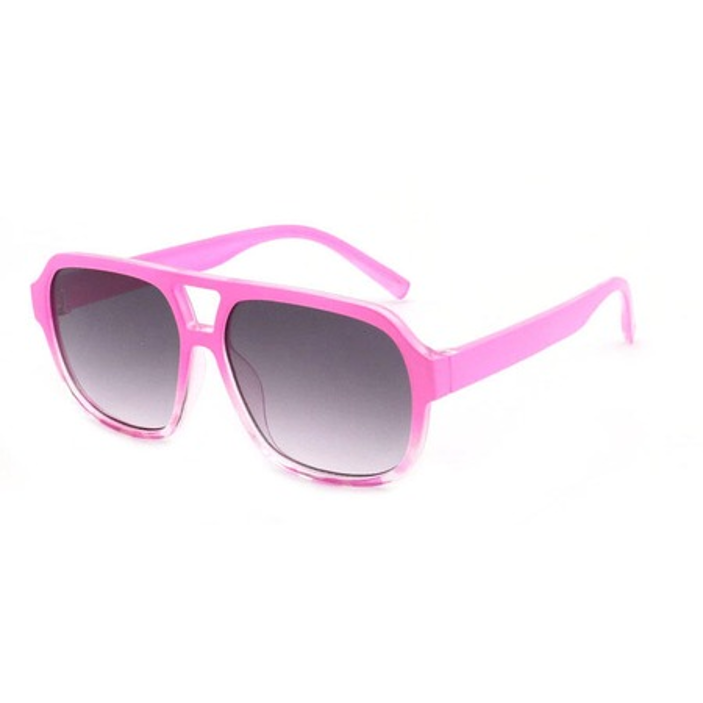
Frequently Asked Questions
How does a brand start working with a sunglasses manufacturer?
A brand prepares a brief stating the concept, the intended market, the target price, the expected volume and any fixed constraints such as packaging or labelling. Sketches, photographs or a sample of a similar product help the factory read intent. The sunglasses manufacturer then reviews the brief and turns the concept into a measurable specification before sample development begins.
What should a buyer check before approving a sample?
Fit, front width, temple length, lens tint and clarity, hinge feel, surface finish, colour match and logo placement, judged against the specification rather than from memory. Packaging and retail presentation belong on the same checklist, since they are cheap to confirm and expensive to change. The approved sample should then be measured and retained as the reference for bulk.
Can one manufacturer handle several product types in one programme?
Yes. An integrated base running acetate, metal and injection production can develop sunglasses, optical frames, blue light glasses and reading glasses with one partner, keeping specifications, colours and quality language consistent across a range. That reduces the work of reconciling suppliers, provided the full product plan appears in the brief.



