
 EN
Preventing Color Inconsistency Between Eyewear Production Batches
Discover spectrophotometry, SPC monitoring, humidity control & pigment best practices to ensure brand-consistent optical & fashion eyewear. Implement now.
Color inconsistency across production batches represents one of the most persistent quality challenges in the eyewear manufacturing industry. Whether producing fashion eyewear, prescription eyewear, or optical eyewear for global markets, maintaining uniform color from batch to batch directly impacts brand reputation, customer satisfaction, and production efficiency. This article explores the root causes of color variation and provides actionable strategies to ensure consistent eyewear appearance across all manufacturing runs.
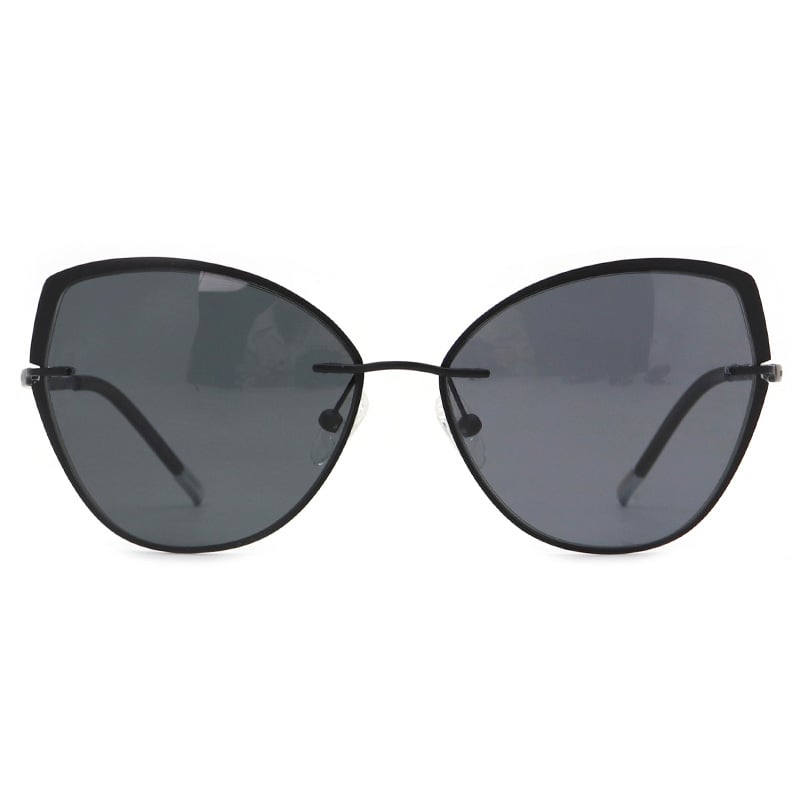
Preventing color inconsistency requires understanding material properties, environmental controls, and quality monitoring systems specific to eyewear production. Whether your facility manufactures optical eyewear frames or fashion eyewear designs, implementing robust color management protocols ensures each batch meets customer specifications and maintains the brand standard that defines your market position.
Understanding the Root Causes of Color Variation
Material Sourcing and Composition Variables
Color inconsistency in eyewear often begins with raw material variability. Different suppliers may provide resin compounds, acetate sheets, or metal alloys with slight compositional differences, even when meeting standard specifications. Optical eyewear manufacturers particularly face this challenge because prescription eyewear demands precision in both optical properties and aesthetic appearance. When prescription eyewear batches use materials from different suppliers or production runs, color drift becomes visible to the wearer.
Material aging also contributes to color shifts. Resin and acetate used in fashion eyewear and optical eyewear can absorb moisture and oxidize differently depending on storage conditions and shelf time. Batches manufactured months apart using materials stored under different humidity or temperature conditions will exhibit color variance. Establishing strict supplier qualification standards and implementing first-in-first-out (FIFO) inventory rotation minimizes this risk significantly.
Processing Conditions and Temperature Control
Temperature fluctuations during molding, injection, or heat-setting processes directly affect how pigments and colorants distribute within eyewear frames. Small variations in heating time, cooling rate, or holding temperature can shift the final hue, saturation, and brightness of fashion eyewear or prescription eyewear. For optical eyewear production, these variations matter even more because inconsistent appearance undermines customer confidence in product quality.
Production equipment calibration drifts over time, yet many eyewear manufacturers rely on manual checks rather than continuous monitoring. Automated temperature logging systems that record equipment conditions during each batch ensure that processing parameters remain within specification. Implementing preventive maintenance schedules that verify heating elements, thermostats, and cooling systems before each production run reduces temperature-driven color inconsistency significantly.
Establishing Color Control Systems for Eyewear Manufacturing
Spectrophotometry and Color Measurement Standards
Preventing color inconsistency requires objective measurement rather than subjective visual assessment. Spectrophotometers measure light reflection and absorption across the full visible spectrum, providing quantifiable color data in standardized formats like LAB, RGB, or CMYK values. For fashion eyewear manufacturers, this technology enables precise batch matching and ensures prescription eyewear frames maintain consistent appearance across production runs.
Establishing color reference standards for each eyewear design is essential. Create master samples representing approved color specifications and store them in controlled light conditions. When optical eyewear or prescription eyewear batches complete production, measure color values from multiple frames and compare against the master standard. Define acceptable tolerance ranges based on industry standards and customer requirements. Batches exceeding these tolerances should not ship until the source of variation is identified and corrected.
Batch Sampling and In-Process Monitoring
Waiting until eyewear production completes before checking color leads to wasted time and material when inconsistency occurs. Implementing in-process monitoring catches color drift early, allowing immediate process adjustments. For fashion eyewear and optical eyewear manufacturers, sampling the first frames, middle production stage, and final batches provides comprehensive visibility into color consistency throughout the run.
Statistical process control (SPC) charts track color measurements over successive batches, revealing trends before they become customer-visible problems. When prescription eyewear production data shows gradual color shift, SPC methodology triggers corrective action before the next batch begins. This data-driven approach to color management protects brand reputation and reduces the cost of rework and customer returns for eyewear manufacturers.
Environmental and Process Optimization Strategies
Humidity and Lighting Control in Production Facilities
Eyewear color perception and material properties are highly sensitive to environmental conditions. Humidity fluctuations cause acetate and resin materials to expand or contract, affecting pigment distribution and final color appearance in fashion eyewear and optical eyewear frames. Prescription eyewear facilities should maintain relative humidity between 45% and 55%, with temperature stability within 2 degrees Celsius to minimize material movement during and after molding.
Lighting in color assessment areas must meet international standards for visual inspection. Consistent illumination using standardized daylight or D65 lighting conditions ensures that color evaluation remains objective and repeatable. When eyewear production teams assess color under inadequate or variable lighting, subjective judgment dominates, leading to inconsistent acceptance decisions. Dedicated color-grading stations with proper lighting standards eliminate this source of batch-to-batch variation.
Pigment and Colorant Quality Consistency
The dyes and pigments used in fashion eyewear, prescription eyewear, and optical eyewear directly determine final color appearance. Establishing long-term supplier relationships with colorant manufacturers who maintain strict production controls minimizes pigment batch variation. Request color certification data from suppliers and verify pigment specifications using high-performance liquid chromatography (HPLC) or similar analytical methods.
Precision in colorant addition during eyewear manufacturing is critical. Implement weight-based or volumetric measurement systems rather than visual estimation when mixing pigments into base resins. For prescription eyewear and fashion eyewear production, calibrated dosing equipment ensures that each batch receives identical colorant quantities, eliminating the color drift caused by manual variation. Documentation of colorant lot numbers and quantities provides traceability when color inconsistencies occur.
FAQ
Why does color inconsistency occur more often in certain eyewear styles than others?
Color inconsistency sensitivity depends on material transparency and surface finish. Transparent prescription eyewear and fashion eyewear frames reveal subtle color variation because light passes through the material, amplifying hue shifts. Opaque styles mask minor inconsistencies better. Additionally, styles using multiple material components or complex colorant combinations experience greater variation risk because each element must remain consistent across batches.
How frequently should optical eyewear manufacturers measure color during production?
Industry best practices recommend measuring color from at least three samples per batch: one from the beginning, one from the middle, and one from the end of production. For critical prescription eyewear and fashion eyewear orders, hourly or continuous monitoring may be justified. The frequency depends on production volume, order complexity, and customer sensitivity to color variation. High-volume manufacturers should implement automated in-line color measurement systems.
Can color inconsistency in eyewear be corrected after production completes?
Limited correction options exist for color inconsistency in eyewear. Batch rework through additional heating or pigment treatment rarely achieves perfect matching and often introduces new quality issues. For prescription eyewear and optical eyewear with minor color drift, post-production coating or tinting may help, but this adds cost and processing time. Prevention through robust process control remains far more cost-effective than attempting corrections after manufacturing concludes.



