
 EN
Hinge Designs for Durable Eyewear: Manufacturing Considerations for OEM/ODM Projects
Discover material selection, tolerance engineering, and testing protocols that boost durability 3x. Optimize your OEM/ODM manufacturing today.
The hinge mechanism stands as one of the most critical components in any eyewear design, directly determining durability, comfort, and user satisfaction. For OEM and ODM manufacturers, understanding hinge engineering represents the difference between producing commodity products and delivering premium eyewear that customers trust and repeat-purchase. The hinge endures thousands of opening and closing cycles annually, resists environmental stress, and must maintain precise alignment throughout the product lifecycle.
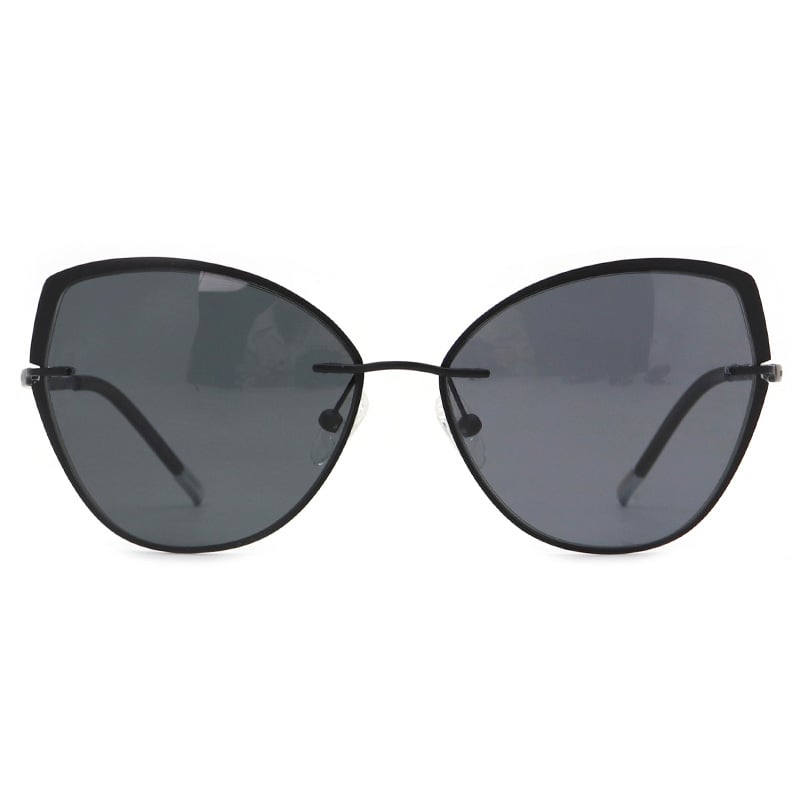
Whether manufacturing fashion eyewear, prescription eyewear, or optical eyewear for global distribution, OEM and ODM partners must master hinge design principles to remain competitive. This guide explores material selection, mechanical design features, testing protocols, and manufacturing considerations that ensure your eyewear products survive real-world conditions while maintaining aesthetic appeal and functional reliability.
Hinge Material Selection and Durability Impact
Choosing Materials That Withstand Repeated Use
Material choice fundamentally shapes hinge longevity in optical eyewear and fashion eyewear applications. Stainless steel hinges offer corrosion resistance and strength, making them ideal for eyewear exposed to moisture and environmental contaminants. Titanium provides superior strength-to-weight ratios, critical for premium prescription eyewear where comfort matters as much as durability. Beta titanium alloys deliver excellent flexibility without permanent deformation, preventing the loosening that plagues lower-grade eyewear after extended use.
Surface Treatments and Protective Coatings
Manufacturing considerations extend beyond raw material to surface treatment. Anodizing stainless steel hinges creates a protective oxide layer that prevents corrosion and extends operational life in eyewear subjected to sweat, salt spray, and humid environments. PVD (Physical Vapor Deposition) coatings add aesthetic options while enhancing scratch resistance in fashion eyewear. For prescription eyewear manufacturers, nickel-free plating becomes essential to meet regulatory requirements and avoid allergic reactions in sensitive users. Each coating adds manufacturing complexity and cost, requiring careful evaluation during OEM design phases.
Mechanical Design Features for Long-Term Performance
Spring Tension and Hinge Tolerance Engineering
Proper spring tension in optical eyewear hinges prevents excessive looseness while avoiding over-tightening that causes premature failure. Manufacturing tolerances between hinge barrel diameters and hinge screws must be controlled within microns to achieve consistent performance across production batches. Fashion eyewear often requires looser tolerances to accommodate wider market expectations, while prescription eyewear demands tighter specifications to protect sensitive eye positioning. Barrel hinge designs, where the hinge pin remains stationary and the barrel rotates, prove more durable than traditional strap hinges in demanding applications.
Load Distribution and Flex Points
Eyewear hinges experience complex stress patterns during normal use. The temple arm flexes during insertion and removal, creating alternating stress at the hinge barrel. Double-barrel hinges distribute this load across two contact surfaces rather than one, significantly improving durability in both optical eyewear and fashion eyewear designs. Manufacturing processes must ensure that hinge pin materials match barrel hardness to prevent galling, where microscopic material transfer occurs during rotation. Stress concentration points must be eliminated through radius optimization at barrel transitions.
Manufacturing Processes and Quality Control Standards
Precision Machining and Assembly Consistency
OEM and ODM manufacturers producing eyewear must implement rigorous machining tolerances to ensure hinge pin straightness and barrel concentricity. CNC machining allows repeatable production of complex hinge geometries, while hand-finishing operations remain necessary for achieving optical-grade precision in premium prescription eyewear. Ultrasonic cleaning before assembly removes microscopic debris that could compromise hinge smoothness, particularly important for fashion eyewear requiring seamless opening and closing experiences. Assembly torque control using calibrated screwdrivers prevents both under-tightening that causes looseness and over-tightening that strips threads or cracks frame materials.
Testing Protocols and Durability Validation
Comprehensive testing of eyewear prototypes validates hinge design before full-scale manufacturing. Flex tests that cycle hinges through thousands of opening and closing motions reveal fatigue failure points in both fashion eyewear and optical eyewear designs. Salt spray testing accelerates corrosion evaluation, critical for prescription eyewear intended for diverse climates. Pull tests on hinge screws ensure retention forces meet specifications, preventing loss of critical fasteners during use. Drop testing from standard heights assesses impact resistance of hinge barrels and screws. OEM and ODM manufacturers should establish baseline performance metrics and continuous monitoring systems to maintain consistency across production runs and ensure customer satisfaction.
FAQ
Why do eyewear hinges become loose over time?
Hinges loosen due to repeated stress cycling, microscopic material wear at contact surfaces, and vibration during normal wear. Fashion eyewear often experiences faster loosening than prescription eyewear because fashion designs may prioritize aesthetics over mechanical precision. Manufacturing inconsistencies in barrel diameter and hinge pin straightness accelerate this process. Proper spring tension design and material selection during OEM production can significantly extend the interval before adjustment becomes necessary.
What differentiates premium optical eyewear hinges from standard fashion eyewear designs?
Premium optical eyewear requires tighter manufacturing tolerances and superior material consistency because lens positioning and frame stability directly affect vision quality. Double-barrel hinges and titanium materials represent the upper tier of prescription eyewear manufacturing. Fashion eyewear prioritizes cost efficiency and aesthetic variety, often using single-barrel hinges and stainless steel with acceptable functional trade-offs. ODM manufacturers must adjust hinge specifications based on market positioning and price point while maintaining baseline durability standards.
How do environmental factors influence hinge design in eyewear manufacturing?
Environmental exposure shapes material and coating selection in eyewear manufacturing significantly. Prescription eyewear for tropical climates requires superior corrosion resistance through premium stainless steel or titanium hinges with protective coatings. Fashion eyewear for cold regions may prioritize flexibility to prevent brittle fracture. Salt spray exposure in coastal markets demands nickel-free plating and aggressive surface treatments. OEM and ODM partners must evaluate target market conditions and specify hinges accordingly to prevent premature failure and warranty claims.



