
 EN
UV400 Protection and How It Is Tested in Sunglasses: A Technical Guide for Eyewear Buyers
Discover spectrophotometer testing, aging protocols, and certification standards for eyewear buyers. Get the technical specs you need.
Understanding UV400 protection is essential for anyone purchasing quality sunglasses. UV radiation from the sun poses significant risks to eye health, and proper eyewear protection is a critical defense mechanism. UV400 represents a specific standard of protection that blocks ultraviolet light up to 400 nanometers, effectively shielding your eyes from harmful solar radiation. This technical guide explores how UV400 protection functions, the rigorous testing methodologies behind it, and what buyers should understand when selecting quality shades.
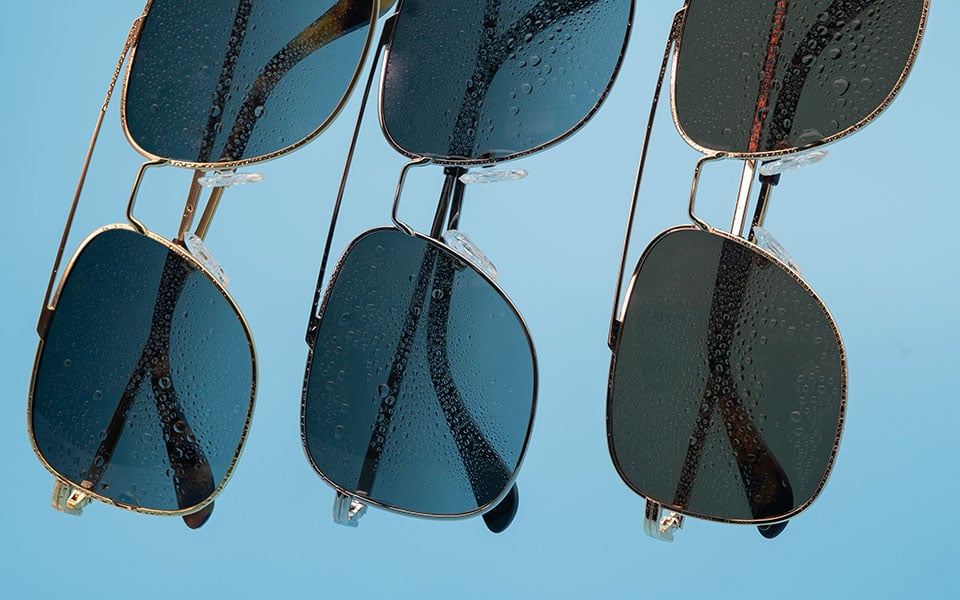
The science of UV protection involves understanding how lens materials and coatings interact with ultraviolet wavelengths. When you invest in quality shades with certified UV400 protection, you're purchasing advanced optical technology designed to maintain ocular health over time. Sunwear that meets UV400 standards undergoes comprehensive laboratory testing to ensure consistent performance across all lenses and frames.
Understanding UV400 Protection Technology
The Spectrum of Ultraviolet Light and UV400 Standards
Ultraviolet radiation exists across three primary wavelengths: UVA, UVB, and UVC. UVA penetrates deep into the eye, affecting the retina and lens over prolonged exposure. UVB causes acute damage to the cornea and lens surfaces. UVC is filtered by Earth's atmosphere but remains significant in industrial settings. UV400 protection blocks wavelengths up to 400 nanometers, which covers the entire UVA and UVB spectrum. This comprehensive coverage ensures that your sunglasses provide maximum defense against both immediate and cumulative eye damage.
Lens Material Composition and UV Blocking
Modern sunglasses employ various lens materials to achieve UV400 protection. Polycarbonate lenses naturally block approximately 99 percent of UV rays due to their chemical composition. CR39 plastic lenses require special UV-blocking coatings to achieve UV400 certification. Glass lenses offer excellent UV protection but are heavier and more prone to breakage. The choice of lens material directly influences how effectively shades can meet UV400 standards and maintain optical clarity. Premium sunwear combines optimal material selection with advanced coating technology to deliver both protection and visual performance.
Testing Methodologies for UV400 Verification
Laboratory Testing Standards and Protocols
Independent laboratories use standardized spectrophotometer equipment to measure UV transmission through sunglasses lenses. This equipment exposes the lens to controlled ultraviolet light at varying wavelengths and measures the percentage of light that passes through. For UV400 certification, lenses must block 99 percent or more of all light from 280 to 400 nanometers. Testing protocols require measurement at multiple points across the lens surface to ensure uniform protection. Certified testing facilities maintain calibration standards and produce detailed reports documenting UV transmission rates for each lens batch.
Real-World Performance Verification
Beyond laboratory conditions, advanced testing includes accelerated aging simulations that expose shades to prolonged solar radiation and environmental stress. These tests verify that UV protection remains effective after extended use, moisture exposure, and temperature fluctuations. Impact resistance testing ensures that sunglasses maintain structural integrity during normal wear, which is critical because damaged frames or lenses may compromise UV protection. Third-party certification bodies conduct regular audits of manufacturing facilities to confirm that quality control processes remain consistent across production runs.
Selecting Quality UV400 Sunglasses for Protection
Identifying Certified UV Protection in Shades
Legitimate UV400 sunglasses carry certification labels from recognized testing organizations. Look for documentation indicating that lenses have undergone spectrophotometric testing and meet international UV protection standards. Reputable manufacturers provide detailed product specifications listing UV transmission rates and testing certifications. When purchasing sunwear, request laboratory reports demonstrating UV400 compliance rather than relying on marketing claims alone. Price does not always indicate UV protection quality; laboratory certification is the definitive indicator.
Practical Considerations for Eyewear Buyers
Frame quality influences overall UV protection effectiveness because poorly fitting frames allow stray UV rays to reach the eyes. Larger lens dimensions provide broader coverage and reduce peripheral UV exposure. Wraparound designs in shades offer superior protection by minimizing gaps between the lens and eye. Polarized lenses can enhance visual comfort by reducing glare, but polarization is independent of UV protection and must be verified separately. Quality sunglasses combine UV400 certification with proper fit, durable construction, and appropriate lens design for your specific activities and lifestyle.
FAQ
What does UV400 mean in sunglasses?
UV400 means the sunglasses block ultraviolet light up to 400 nanometers, covering the complete UVA and UVB spectrum. This certification indicates that lenses filter out 99 percent or more of harmful ultraviolet radiation, providing comprehensive eye protection against solar damage.
How are sunglasses tested for UV protection?
Certified laboratories use spectrophotometer equipment to measure UV transmission through lens materials. Shades are exposed to controlled ultraviolet light at various wavelengths while sensors measure light penetration. Testing protocols include multiple measurement points across the lens surface and accelerated aging simulations to ensure consistent UV400 performance throughout the product lifespan.
Can inexpensive sunwear provide genuine UV400 protection?
Yes, affordable shades can meet UV400 standards if they use appropriate lens materials and undergo proper testing certification. However, inexpensive sunglasses often lack documentation of UV protection testing and may not maintain optical quality. When selecting sunwear, prioritize laboratory certification over price, and request detailed product specifications confirming UV400 compliance rather than assuming protection based on cost.



