
 EN
Optical Center Alignment in Ready-Made Reading Glasses: Manufacturing Considerations for OEM/ODM Projects
Precise optical center alignment ensures visual clarity, brand trust, and batch consistency. Learn OEM/ODM best practices now.
Optical center alignment represents one of the most critical manufacturing considerations when producing ready-made reading glasses for OEM and ODM projects. The position of the optical center determines how light rays pass through the lens and reach the wearer's eye, directly affecting visual clarity, comfort, and the overall utility of the final product. In mass manufacturing environments, maintaining precise optical center alignment across thousands of units requires systematic quality control, proper machinery calibration, and deep understanding of how lens geometry interacts with frame dimensions.
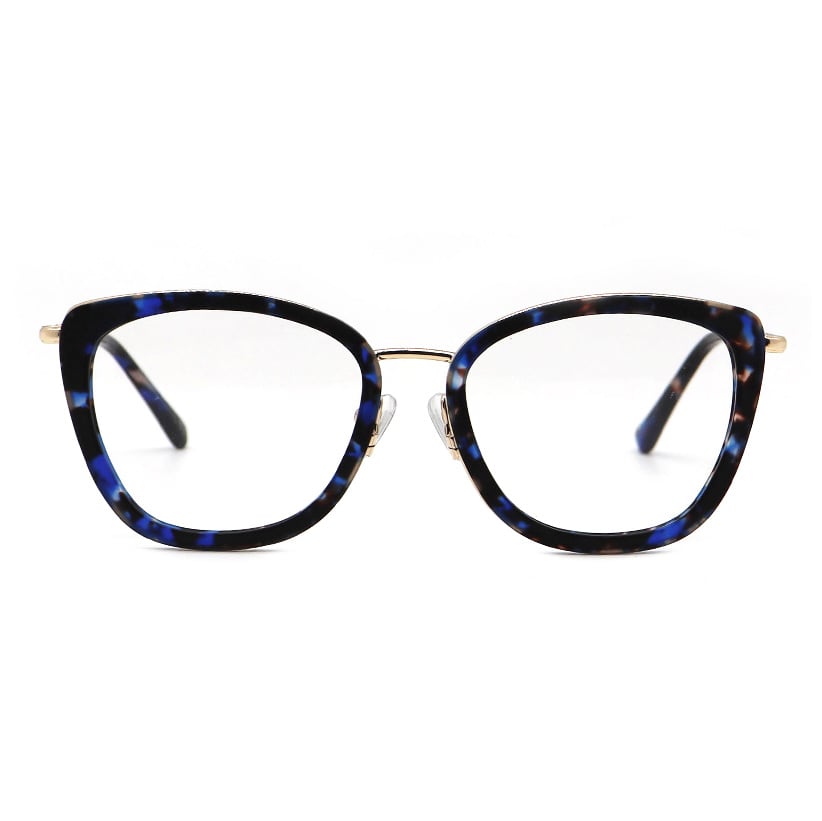
For manufacturers producing readers and presbyopic glasses, understanding optical center alignment goes beyond basic frame assembly. It encompasses measuring pupillary distance, accounting for lens curvature, positioning lenses relative to bridge and temple geometry, and ensuring consistency across entire production batches. Misaligned optical centers introduce prismatic effects that cause eye strain, headaches, and reduced reading comfort, making this consideration essential for protecting brand reputation and ensuring customer satisfaction in the competitive ready-made eyewear market.
Understanding Optical Center in Ready-Made Reading Glasses Manufacturing
The Role of Optical Center in Vision Correction
The optical center is the point on a lens through which light passes without deviation or prismatic distortion. For reading glasses and magnifying glasses, precise optical center positioning ensures that the wearer sees clearly without unwanted prism effects when looking through the lens. During manufacturing, the optical center must align with the wearer's pupil position to optimize visual quality across the lens surface.
In ready-made presbyopic glasses, manufacturers cannot customize each pair to individual pupillary distances, so they establish standard optical center positions based on average measurements. These standardized positions guide all production steps, from lens cutting and lens centering machines to frame assembly and final quality inspection. Deviations from these standards result in optical defects that accumulate across the product batch.
Why Optical Center Alignment Matters for OEM/ODM Projects
OEM and ODM manufacturers face unique pressures to maintain optical center consistency while scaling production efficiently. Customers expect every pair of reading glasses in a bulk order to deliver the same visual experience, quality, and durability. Inconsistent optical center alignment creates product variance, leading to returns, customer complaints, and contract penalties.
For ODM projects especially, the brand's reputation depends on the contract manufacturer's ability to control optical center precision. A single batch with misaligned optical centers can damage relationships with wholesale buyers or retail customers. Therefore, establishing robust procedures for measuring and verifying optical center alignment throughout production is not optional but foundational to OEM/ODM success.
Manufacturing Process Controls for Optical Center Alignment
Lens Cutting and Centering Equipment
Modern magnifying glasses and readers are produced using automated lens centering machines that align the optical center with the lens blank's geometric center. These machines read the lens curvature, identify the optical center position using refractive markers or infrared sensors, and then guide cutting tools to precise coordinates. The accuracy of this equipment directly determines whether optical center alignment meets specifications across the entire batch of reading glasses produced.
Calibration of centering equipment must occur regularly, with documented procedures established for each lens power and material type. Different lens materials, such as polycarbonate versus standard glass, reflect light differently and require equipment recalibration. For presbyopic glasses manufacturers producing multiple powers simultaneously, maintaining separate calibration profiles prevents cross-contamination of settings and ensures each readers order meets its intended optical specifications.
Frame Geometry and Bridge Design Considerations
The frame's bridge width, nose pad positioning, and overall geometry directly influence how lenses sit relative to the wearer's eyes. During design and tooling phases, manufacturers must establish the distance from the frame's reference point to where the lens optical center should sit. This measurement, combined with standard pupillary distance assumptions for ready-made reading glasses, determines the final lens position within the frame.
In ODM production, frame design modifications can inadvertently shift lens position and disrupt optical center alignment. A seemingly small change to bridge width or lens tilt angle cascades into optical center misalignment across thousands of units. This is why design freezes and pre-production sample approvals are critical checkpoints before full manufacturing runs of readers or presbyopic glasses begin.
Quality Control and Testing Protocols
Optical Inspection and Measurement Techniques
Quality control departments use specialized optical benches and automated vision systems to verify optical center alignment on finished reading glasses and magnifying glasses. These systems project light through the lens, capture the refraction pattern, and compare measurements against approved specifications. Statistical sampling during production runs catches alignment drift before large quantities of misaligned units are completed.
For OEM manufacturers, automated inspection provides consistent, repeatable measurement data that demonstrates compliance to customers. Records of optical center measurements across entire production batches serve as documentation of quality control rigor. When customers receive readers or presbyopic glasses with visible optical inspection reports, confidence in the product increases, supporting long-term business relationships.
End-to-End Testing of Finished Reading Glasses
Beyond measurement of individual lenses, manufacturers of reading glasses conduct functional testing on completed frames. A tester wears the finished readers and confirms that visual clarity is consistent across the lens, that no prism-induced eye strain occurs, and that the magnifying glasses deliver the intended magnification without distortion. This human-factors testing catches issues that automated measurement might miss, such as frame fit problems that cause the optical center to sit incorrectly relative to the eye.
Documentation of these tests provides evidence of quality assurance to OEM and ODM customers. When presbyopic glasses batches pass rigorous functional testing, manufacturers can confidently deliver products that meet market expectations and avoid the reputational damage caused by widespread optical defects in reading glasses shipments.
FAQ
What happens if optical center alignment is incorrect in ready-made reading glasses?
Incorrect optical center alignment introduces prismatic effects that cause the wearer's eyes to converge or diverge unnaturally. This creates eye strain, headaches, blurred vision, and discomfort, especially during extended reading sessions with presbyopic glasses or magnifying glasses. The wearer may attribute poor performance to the readers themselves rather than the manufacturing defect, leading to negative reviews and returns that damage the brand's reputation.
How do OEM/ODM manufacturers standardize optical center positioning across production batches?
Manufacturers establish standard optical center coordinates based on average pupillary distance data and frame design specifications. Lens cutting machines and assembly procedures are calibrated to these standards, and every unit is verified through automated or manual inspection. Regular calibration checks and statistical process control ensure that drift is detected and corrected before it affects large quantities of reading glasses or presbyopic glasses in production.
What role does frame design play in optical center alignment for readers?
Frame geometry, including bridge width, lens shape, and mounting angles, determines where the lens optical center sits relative to the wearer's eye. During design and tooling, manufacturers establish reference points that ensure the lens optical center aligns correctly when the reading glasses are worn. Changes to frame design specifications must be evaluated for their impact on optical center positioning before production runs of magnifying glasses or presbyopic glasses begin.



