
 EN
Impact Resistance Standards for Sports Eyewear Lenses: A Technical Guide for Eyewear Buyers
Understand ANSI Z87.1 high-velocity and EN 166 testing, polycarbonate vs. Trivex lenses, and how to verify compliance. Download buyer’s checklist.
When selecting protective eyewear for athletic activities, understanding impact resistance standards is crucial for ensuring safety and durability. Sports eyewear must meet rigorous testing protocols that verify the lens and frame can withstand sudden impacts without fracturing or causing injury. Buyers purchasing sports eyewear need to grasp these technical requirements because they directly affect product reliability and athlete protection during competition or training.
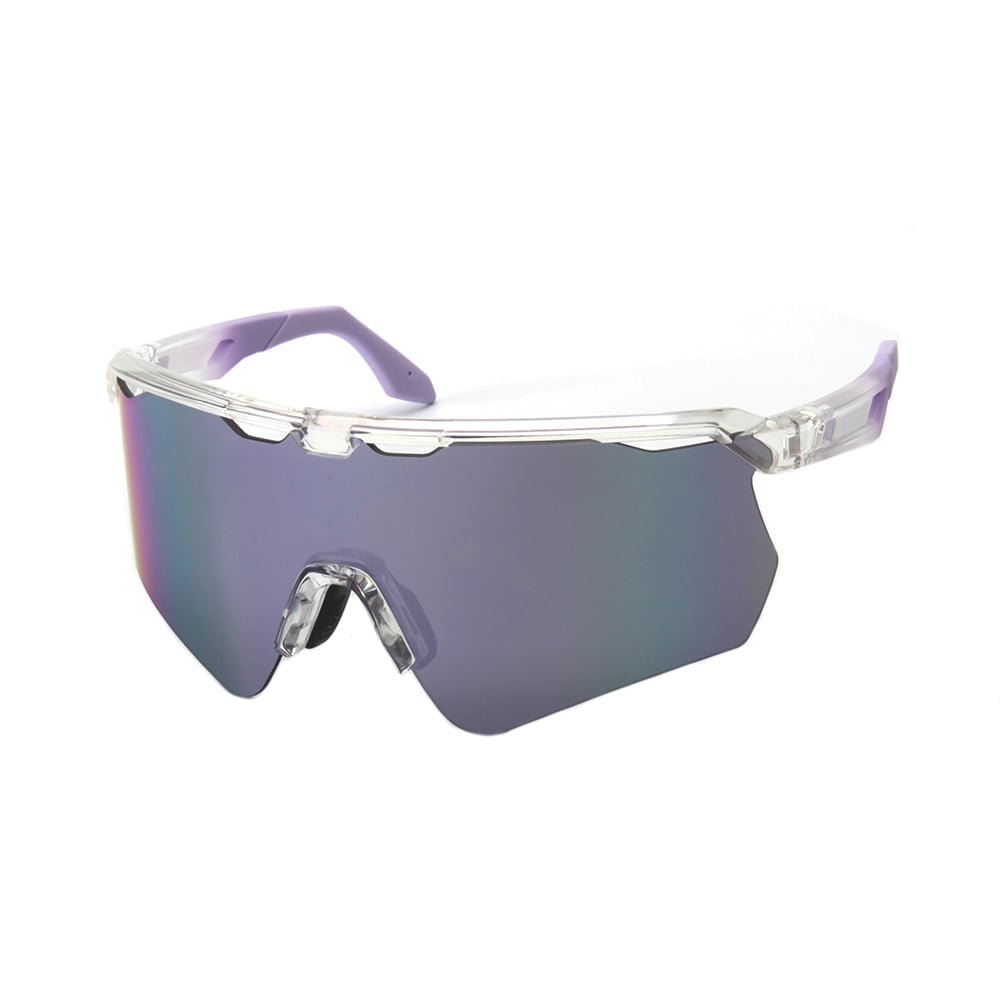
The development of performance eyewear standards reflects decades of research into lens materials, frame construction, and real-world impact scenarios. Athletic glasses manufactured today must comply with international standards such as ANSI Z87.1 and EN 166, which establish minimum performance thresholds. These regulations ensure that whether an athlete chooses prescription athletic glasses or non-prescription models, the protective equipment maintains consistent quality and safety across different manufacturers and product lines.
Understanding Impact Resistance Testing Standards
ANSI Z87.1 Certification for Athletic Glasses
The American National Standards Institute ANSI Z87.1 standard represents the primary impact resistance certification for sports glasses and protective eyewear in North America. This standard requires lenses to withstand a high-velocity impact test using a steel ball projectile traveling at 90 miles per hour without cracking, crazing, or creating splinters. Athletic glasses certified under ANSI Z87.1 demonstrate that both the lens material and frame design can handle extreme forces typical of competitive sports environments.
The ANSI standard divides impact resistance into two categories: basic and high-velocity. Basic impact testing applies to general eyewear, while high-velocity testing is mandatory for performance eyewear used in high-risk activities. Sports eyewear buyers should verify that products carry the ANSI Z87+ marking, which indicates passage of the high-velocity impact test. This certification ensures the athletic glasses provide a measurable safety advantage over regular optical products.
EN 166 European Standards for Performance Eyewear
European regulations mandate that performance eyewear meets EN 166 standards, which encompass impact resistance, optical quality, and field-of-view requirements. The EN 166 protocol includes both pendulum impact tests and high-speed projectile tests, similar to ANSI but with slightly different specifications and performance thresholds. Sports glasses sold internationally must often satisfy both ANSI and EN certifications, creating a higher combined safety standard.
The EN standard also addresses lens materials specifically, recognizing that polycarbonate, Trivex, and other advanced plastics offer superior impact resistance compared to glass. Sports eyewear manufactured to EN 166 includes detailed labeling requirements that inform buyers exactly which tests the product has passed. This transparency helps athletic glasses users make informed decisions based on the specific activities they pursue.
Materials and Their Impact Resistance Properties
Polycarbonate Lenses for High-Impact Sports
Polycarbonate has become the industry standard for sports glasses because it absorbs impact energy without shattering, making it ideal for athletic applications. This thermoplastic material is approximately 10 times more impact-resistant than standard glass and significantly tougher than conventional plastic lenses. Performance eyewear manufacturers prioritize polycarbonate for products serving basketball, racquetball, hockey, and other contact-heavy sports where lens failure could result in serious injury.
When buyers evaluate athletic glasses, polycarbonate lenses should be a primary consideration because they inherently pass high-velocity impact testing more reliably than other lens options. The material's molecular structure distributes impact force across a wider area, preventing the localized stress that leads to fractures in brittle materials. Sports eyewear made with quality polycarbonate can absorb repeated impacts throughout a season without degradation, providing consistent protection and optical clarity.
Trivex and Alternative Lens Materials
Trivex represents a second-generation impact-resistant material that offers comparable or superior durability to polycarbonate while providing better optical clarity and lighter weight. Performance eyewear incorporating Trivex lenses can meet or exceed ANSI Z87.1 standards while delivering the optical advantages athletes demand. This material particularly benefits sports glasses users who require precise vision correction alongside impact protection, as Trivex maintains optical quality even in high-index prescriptions.
Frame materials also significantly influence overall impact resistance in sports eyewear. Flexible materials like TR90 and acetate can flex on impact without cracking, working in concert with the lens material to absorb force. Athletic glasses frames constructed from these materials demonstrate superior durability compared to rigid materials, making them preferred choices for competitive applications. Buyers selecting sports glasses should evaluate both lens and frame materials as an integrated safety system rather than considering them independently.
Practical Selection Criteria for Buyers
Verification and Certification Markers
Eyewear buyers should verify that sports eyewear carries clear certification marks indicating ANSI Z87.1 or EN 166 compliance before making a purchase decision. The certification mark is typically embossed or printed on the lens or frame, often located near the bridge or temple areas of the sports glasses. Legitimate sports eyewear products will provide documentation or product specifications confirming which standards the athletic glasses have satisfied.
Reputable manufacturers of performance eyewear maintain transparency about testing results and safety certifications. When shopping for athletic glasses, request technical specifications that detail the impact resistance testing performed, the materials used, and any additional safety features incorporated into the design. Sports glasses purchased from established manufacturers typically include detailed product literature addressing these technical aspects, enabling informed comparison between competing options.
Activity-Specific Requirements and Selection
Different sports impose varying impact scenarios, requiring buyers to select athletic glasses tailored to their specific activity. High-contact sports like basketball, hockey, and racquetball demand maximum impact protection, making ANSI Z87.1 high-velocity certification non-negotiable for sports eyewear used in these applications. Performance eyewear for outdoor endurance activities may prioritize UV protection and optical clarity over maximum impact resistance, though impact capability remains important for unexpected collisions.
Buyers should assess whether they need sports glasses with additional features like polarization, anti-glare coatings, or photochromic lenses alongside the base impact resistance standard. Athletic glasses designed for water sports may require hydrophobic coatings, while cycling performance eyewear might benefit from amber or photochromic options. Sports eyewear selection becomes most effective when buyers identify both their impact protection needs and their activity-specific optical requirements, then verify that the candidate products meet both criteria through documented testing and certification.
FAQ
What impact resistance standard should sports eyewear always meet?
All sports eyewear should meet at minimum the ANSI Z87.1 standard, with high-velocity certification (Z87+) preferred for contact sports. This ensures the athletic glasses have passed rigorous impact testing that simulates real competitive conditions. Buyers should verify certification before purchasing sports glasses for any athletic activity.
How do lens materials affect the performance eyewear impact resistance?
Polycarbonate and Trivex lenses provide superior impact resistance compared to glass or standard plastic, absorbing impact energy without shattering. Performance eyewear with these materials meets impact standards more easily and maintains optical quality longer. Athletic glasses made from these advanced materials offer the best combination of safety and durability for sports applications.
Can sports glasses purchased for general use meet impact standards?
Regular eyewear does not meet sports eyewear impact standards and should never be used for athletic activities. Only athletic glasses certified to ANSI Z87.1 or EN 166 provide adequate protection during sports. Sports eyewear and performance eyewear categories exist precisely because standard prescription or non-prescription eyewear lacks the technical specifications needed for safe athletic use.



