
 EN
Life Cycle Assessment for Sustainable Eyewear Products: Manufacturing Considerations for OEM/ODM Projects
How OEM/ODM eyewear manufacturers use life cycle assessment to cut emissions, optimize materials & boost sustainability credibility. Get actionable insights now.
Life cycle assessment represents a critical analytical framework for evaluating the environmental impact of sustainable eyewear products from raw material extraction through end-of-life disposal. For OEM and ODM manufacturers operating in the eyewear industry, conducting comprehensive life cycle assessments has become essential for meeting regulatory requirements, satisfying consumer demand, and optimizing production efficiency. This methodology quantifies greenhouse gas emissions, water consumption, waste generation, and resource depletion across every manufacturing stage, enabling manufacturers to identify reduction opportunities and make data-driven decisions that align with sustainability goals.
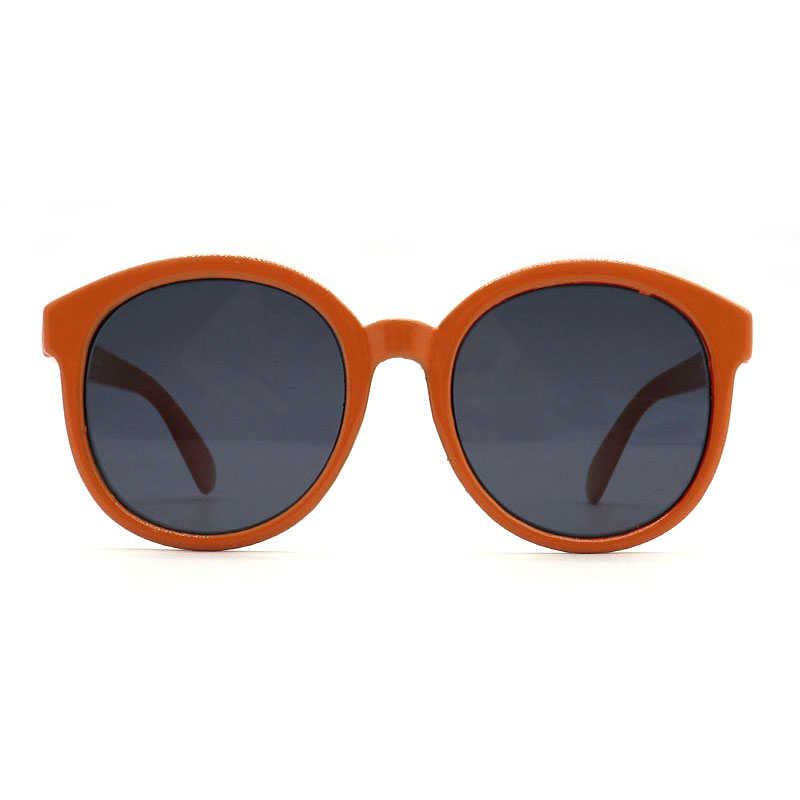
Understanding how to integrate life cycle thinking into eyewear development strategies requires knowledge of material sourcing, manufacturing processes, transportation logistics, and consumer use phases. Eco friendly glasses manufactured using responsible material selection and energy-efficient production methods demonstrate measurably lower environmental footprints compared to conventional alternatives. By implementing life cycle assessment principles early in product development, OEM and ODM partners can differentiate their offerings in an increasingly sustainability-conscious market while simultaneously reducing operational costs and supply chain risks.
Material Selection and Environmental Impact Analysis
Evaluating Raw Material Sources for Eco Friendly Glasses
The material composition forms the foundation of any life cycle assessment for eyewear products. Bio acetate eyewear represents a significant advancement over petroleum-based plastics, as acetate derived from cellulose offers renewable sourcing and improved biodegradability. When evaluating bio acetate eyewear options, manufacturers must examine the sourcing practices of cellulose suppliers, transport distances from harvest to processing facilities, and chemical treatment protocols used during acetate production. Recycled sunglasses incorporating reclaimed materials from post-consumer waste streams further reduce environmental burden by eliminating virgin resource extraction and minimizing landfill contributions.
Material Transparency and Supply Chain Documentation
OEM and ODM manufacturers must establish transparent documentation systems that track material origins and environmental certifications throughout the supply chain. Third-party certifications such as FSC compliance for wood-based acetate sources and ISO 14001 environmental management standards provide credible verification of sustainable practices. By maintaining detailed records of material composition, chemical inputs, and waste outputs at each production stage, manufacturers create accountability systems that satisfy consumer inquiries and support regulatory compliance. This documentation becomes particularly valuable when marketing eco friendly glasses to environmentally conscious retailers and consumers seeking authentic sustainability credentials rather than greenwashing claims.
Manufacturing Process Optimization and Energy Consumption
Production Efficiency Metrics in Eyewear Manufacturing
Life cycle assessments reveal that manufacturing processes account for substantial portions of total environmental impact in eyewear production. Injection molding, lens cutting, assembly, and finishing operations consume significant electrical energy, particularly in facilities lacking renewable power sources. Forward-thinking OEM and ODM partners are implementing energy audits that identify optimization opportunities such as equipment upgrades, production scheduling aligned with peak renewable energy availability, and waste heat recovery systems. Bio acetate eyewear production benefits particularly from process innovations that reduce scrap rates and minimize chemical waste streams common in frame molding operations.
Water Usage and Chemical Management Systems
Water consumption during eyewear manufacturing encompasses cleaning operations, cooling systems, and chemical processing stages. Sustainable eyewear manufacturers are transitioning toward closed-loop water systems that recirculate and treat water for reuse, dramatically reducing freshwater withdrawal volumes. Chemical management represents another critical consideration, as lens coatings, frame dyes, and adhesives contain substances requiring careful handling to prevent environmental contamination. Recycled sunglasses production often involves cleaning and processing reclaimed materials, necessitating robust wastewater treatment protocols that comply with environmental regulations while maintaining material quality standards.
Transportation, Distribution, and End-of-Life Considerations
Logistics Planning and Carbon Footprint Reduction
Transportation contributes meaningfully to the overall environmental impact profile of eyewear products, particularly when manufacturing occurs in regions distant from consumer markets. Life cycle assessments must account for domestic and international shipping methods, packaging materials, and distribution network efficiency. OEM and ODM manufacturers can reduce transportation emissions through consolidation strategies that optimize container utilization, selection of lower-carbon shipping modes when feasible, and packaging innovations that minimize dimensional weight. Eco friendly glasses benefit from lightweight frame materials and simplified packaging designs that reduce shipping volume without compromising product protection.
Consumer Use Phase and Product Longevity
The use phase of eyewear products typically generates minimal direct environmental impact compared to manufacturing, yet product durability significantly influences total life cycle impact. Durable bio acetate eyewear designed for extended wear cycles reduces per-wear environmental burden compared to lower-quality frames requiring frequent replacement. Sustainable eyewear manufacturers increasingly focus on designing frames that withstand years of daily use while remaining repairable through component replacement rather than full product disposal. Recycled sunglasses incorporating reclaimed materials can achieve comparable durability performance when manufacturing processes maintain material integrity, thereby proving that sustainability goals need not compromise functional quality.
Implementing Life Cycle Assessment Frameworks in OEM/ODM Operations
Assessment Methodology Selection and Stakeholder Engagement
OEM and ODM partners must select appropriate life cycle assessment methodologies aligned with their specific production contexts and market positioning objectives. Simplified screening assessments provide initial environmental hotspot identification without requiring extensive data collection, while comprehensive cradle-to-grave analyses demand rigorous documentation of every production input and output stage. Stakeholder engagement involving suppliers, manufacturers, retailers, and consumers ensures that assessment boundaries capture material environmental concerns and validate findings against real-world operational experiences. Third-party verification of life cycle assessments by accredited environmental consultants strengthens credibility and enables use of findings in marketing communications for eco friendly glasses and recycled sunglasses.
Continuous Improvement and Performance Benchmarking
Successful sustainable eyewear programs establish baseline metrics from initial life cycle assessments, then implement improvement initiatives targeting identified environmental hotspots. Regular reassessment cycles capture efficiency gains from process investments, material innovations, and supply chain optimizations. Benchmarking against industry peers reveals competitive positioning and motivates additional improvement efforts when comparable manufacturers achieve superior environmental performance. Bio acetate eyewear manufacturers using this approach often discover that environmental and economic benefits align, as energy efficiency, waste reduction, and material optimization simultaneously lower production costs while improving sustainability metrics.
FAQ
How does life cycle assessment guide material selection for sustainable eyewear manufacturing?
Life cycle assessment quantifies environmental impacts across material extraction, processing, transportation, manufacturing, use, and disposal phases. This comprehensive data enables manufacturers to identify which material choices deliver lowest total environmental burden. For example, comparing bio acetate eyewear against petroleum-based alternatives reveals that acetate derived from renewable cellulose sources typically generates lower greenhouse gas emissions when accounting for full cradle-to-grave impacts. Assessment findings support decisions regarding recycled sunglasses integration and eco friendly glasses material specifications that balance environmental performance with functional requirements and cost constraints.
What role does transportation play in overall sustainable eyewear product impact?
Transportation contributes substantially to sustainable eyewear environmental footprint, particularly for products manufactured in regions distant from consumer markets. Life cycle assessments account for shipping methods, distances traveled, packaging weight, and distribution network efficiency. OEM and ODM manufacturers reduce transportation impacts through consolidation strategies, selection of lower-carbon shipping modes, and lightweight packaging innovations. Eco friendly glasses benefit from frame materials and designs that minimize dimensional weight while protecting product integrity during shipment, thereby reducing both environmental impact and logistics costs across the distribution network.
Can recycled sunglasses achieve equivalent performance compared to conventional eyewear products?
Recycled sunglasses manufactured using advanced processing techniques can achieve comparable performance specifications to virgin material alternatives when manufacturing processes maintain material integrity and mechanical properties. Life cycle assessments demonstrate that recycled sunglasses deliver substantially lower environmental impact throughout the product life cycle by eliminating virgin resource extraction and reducing landfill contributions. Sustainable eyewear manufacturers increasingly prove that environmental responsibility and functional performance are complementary rather than contradictory objectives, enabling bio acetate eyewear and recycled sunglasses to compete effectively in quality-conscious markets while supporting broader circular economy objectives.



