
 EN
Recycled Content Verification in Sustainable Eyewear Materials: A Technical Guide for Eyewear Buyers
Learn lab testing, certifications, and documentation to cut through greenwashing. Download the verification checklist.
Buying sustainable eyewear requires more than reading marketing claims. As an eyewear buyer, you need practical methods to verify that products genuinely contain recycled materials and meet environmental standards. Understanding how to authenticate recycled content in eco friendly glasses protects your investment and ensures alignment with your sustainability goals. This technical guide walks you through verification processes, material assessment techniques, and documentation requirements that separate genuine sustainable eyewear from misleading claims.
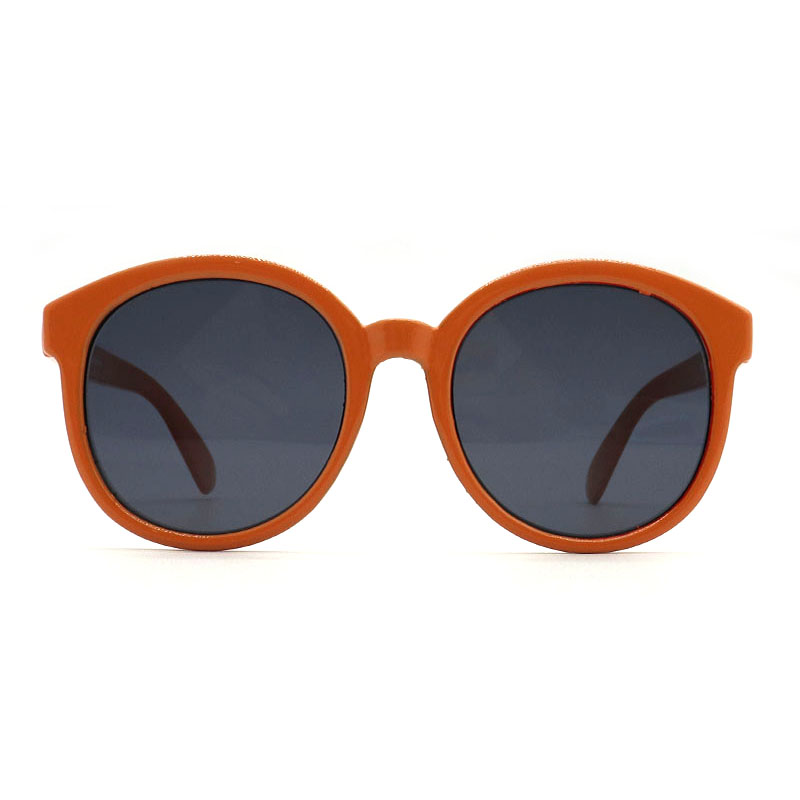
The eyewear industry increasingly markets sustainable eyewear products to environmentally conscious consumers. However, without verification mechanisms, distinguishing legitimate bio acetate eyewear from greenwashing becomes challenging. Material composition, manufacturing documentation, third-party certifications, and supply chain transparency form the foundation of a robust verification framework. Buyers equipped with technical knowledge can confidently evaluate recycled sunglasses and make purchasing decisions backed by evidence rather than assumptions.
Understanding Material Composition and Sourcing
Identifying Recycled Material Types in Eco Friendly Glasses
Bio acetate eyewear represents one category of sustainable eyewear materials, derived from wood pulp, cotton, or renewable plant sources. Recycled sunglasses often use acetate made from post-consumer waste or post-industrial scrap. Before accepting recycled content claims, identify the specific material composition. Genuine eco friendly glasses should include detailed specifications listing the percentage of recycled content, the source material, and the production method. Request material safety data sheets and technical documentation from manufacturers. This information reveals whether recycled sunglasses actually contain recovered materials or simply use naturally derived virgin materials marketed as sustainable.
Verifying Material Sourcing Documentation
Transparent sourcing separates premium bio acetate eyewear from questionable alternatives. Legitimate manufacturers maintain documented supply chains showing where recycled inputs originate. For sustainable eyewear, ask suppliers to provide chain-of-custody certificates tracking materials from collection through processing to final production. These documents should specify the percentage of recycled content in recycled sunglasses and confirm compliance with material standards. Cross-reference supplier claims against independent recycling facility records. Eco friendly glasses manufacturers withholding sourcing details or unable to provide traceability documentation should raise verification concerns, signaling potential misrepresentation of their sustainability credentials.
Certification Standards and Third-Party Verification
Recognizing Valid Sustainability Certifications
Established certifications provide objective verification that sustainable eyewear meets rigorous environmental criteria. Certifications like ISO 14001, GRS Recycled Content Certification, and Cradle to Cradle demonstrate that bio acetate eyewear undergoes independent auditing. When evaluating recycled sunglasses, verify that claimed certifications actually exist and remain current. Counterfeit or expired certificates frequently appear on products with questionable sustainability practices. Visit certification body websites directly to confirm a manufacturer's registered status. Eco friendly glasses bearing recognized certifications provide measurable assurance that recycled content percentages and environmental claims withstand third-party scrutiny. This verification approach eliminates guesswork and establishes baseline confidence in sustainable eyewear authenticity.
Evaluating Certification Rigor and Scope
Not all sustainability certifications carry equal weight or cover identical assessment areas. Some certifications focus exclusively on recycled content percentage, while others evaluate energy consumption, chemical usage, and worker conditions across the entire production process. For bio acetate eyewear, understand which aspects each certification addresses. A certificate confirming recycled content in recycled sunglasses says nothing about manufacturing emissions or waste management. Comprehensive certifications across eco friendly glasses production typically involve more rigorous auditing and carry stronger verification weight. Request detailed certification reports showing specific test results and audit findings. This granular approach to verification ensures that sustainable eyewear certification aligns with your organizational environmental priorities rather than relying on vague third-party endorsements.
Laboratory Testing and Material Analysis
Conducting Physical and Chemical Verification
Technical testing provides definitive verification of recycled content in sustainable eyewear. Spectroscopy and thermal analysis identify material composition and can confirm the presence of recycled components. Advanced laboratories can measure the carbon isotope ratio in bio acetate eyewear to distinguish virgin materials from recycled sources. For recycled sunglasses, Fourier-transform infrared spectroscopy reveals polymer structure and traces of additives consistent with post-consumer recycled material. While laboratory testing requires investment, samples submitted for analysis provide irrefutable documentation of eco friendly glasses composition. Organizations committed to verifying sustainable eyewear authenticity often budget for periodic testing of supplier batches. This direct analytical approach eliminates reliance on documentation alone and establishes scientifically backed material verification.
Interpreting Laboratory Reports for Eyewear Buyers
Understanding laboratory results ensures verification insights translate into purchasing confidence. Reports on bio acetate eyewear should specify recycled content percentage, material purity, and contamination levels. For recycled sunglasses, threshold percentages matter significantly; products claiming high recycled content should exceed 50 percent in laboratory confirmation. Degradation indicators in reports reveal whether materials were properly processed during recycling, affecting durability and optical performance of eco friendly glasses. Reputable testing facilities provide detailed methodology explanations and quality assurance documentation. When reviewing sustainable eyewear analysis reports, compare results against claimed specifications. Significant discrepancies between marketing claims and laboratory findings indicate verification failures and warrant supplier reconsideration or contract renegotiation.
FAQ
What documents should suppliers provide to prove sustainable eyewear authenticity?
Reputable suppliers of sustainable eyewear should provide material safety data sheets, chain-of-custody certificates, certification documentation, and detailed material composition specifications. For eco friendly glasses and recycled sunglasses, request batch-level documentation showing recycled content percentages and sourcing details. Third-party audit reports and laboratory test results strengthen verification. Suppliers unable or unwilling to supply comprehensive documentation typically lack genuine commitment to sustainable practices or maintain opaque supply chains requiring deeper investigation before purchasing.
How can buyers distinguish between bio acetate eyewear and greenwashing in the sustainable eyewear market?
Greenwashing in eco friendly glasses and recycled sunglasses typically involves vague environmental language, missing documentation, lack of third-party certification, and absence of specific recycled content percentages. Genuine sustainable eyewear manufacturers provide precise material specifications, transparent sourcing information, and verifiable certifications from recognized bodies. Ask detailed questions about production methods, waste management, and supply chain practices. Compare answers against industry standards and request evidence. When manufacturers deflect or provide only marketing narratives without technical substance, verification red flags suggest sustainable eyewear claims lack credibility.
Is laboratory testing necessary for all sustainable eyewear purchases?
Laboratory testing becomes essential when purchasing large volumes of bio acetate eyewear or when supplier documentation raises questions. For smaller orders or established relationships with verified eco friendly glasses manufacturers, certification review and sourcing documentation often suffice. However, periodic testing of supplier batches remains a best practice for organizations committed to maintaining sustainable eyewear standards. Recycled sunglasses and eco friendly glasses from new suppliers warrant initial testing investment to establish baseline verification and protect against fraudulent claims. The cost of laboratory analysis typically decreases on volume bases, making routine testing economically viable for regular buyers of sustainable eyewear.



