
 EN
Common Tooling Cost Surprises in Custom Eyewear Development: Practical Quality Control Steps
Discover 5 practical quality control steps that prevent cost surprises in OEM eyewear development. Plan smarter—download the checklist now.
Developing custom eyewear involves numerous hidden expenses that catch manufacturers and designers off guard. Tooling costs represent one of the most significant budget challenges in bespoke glasses production, yet many stakeholders underestimate their scope and complexity. Understanding these common surprises allows teams to plan more accurately, allocate resources wisely, and implement quality control strategies that protect both timelines and profitability. The difference between a well-managed custom frame manufacturing project and a budget-overrun disaster often comes down to anticipating these hidden costs before production begins.
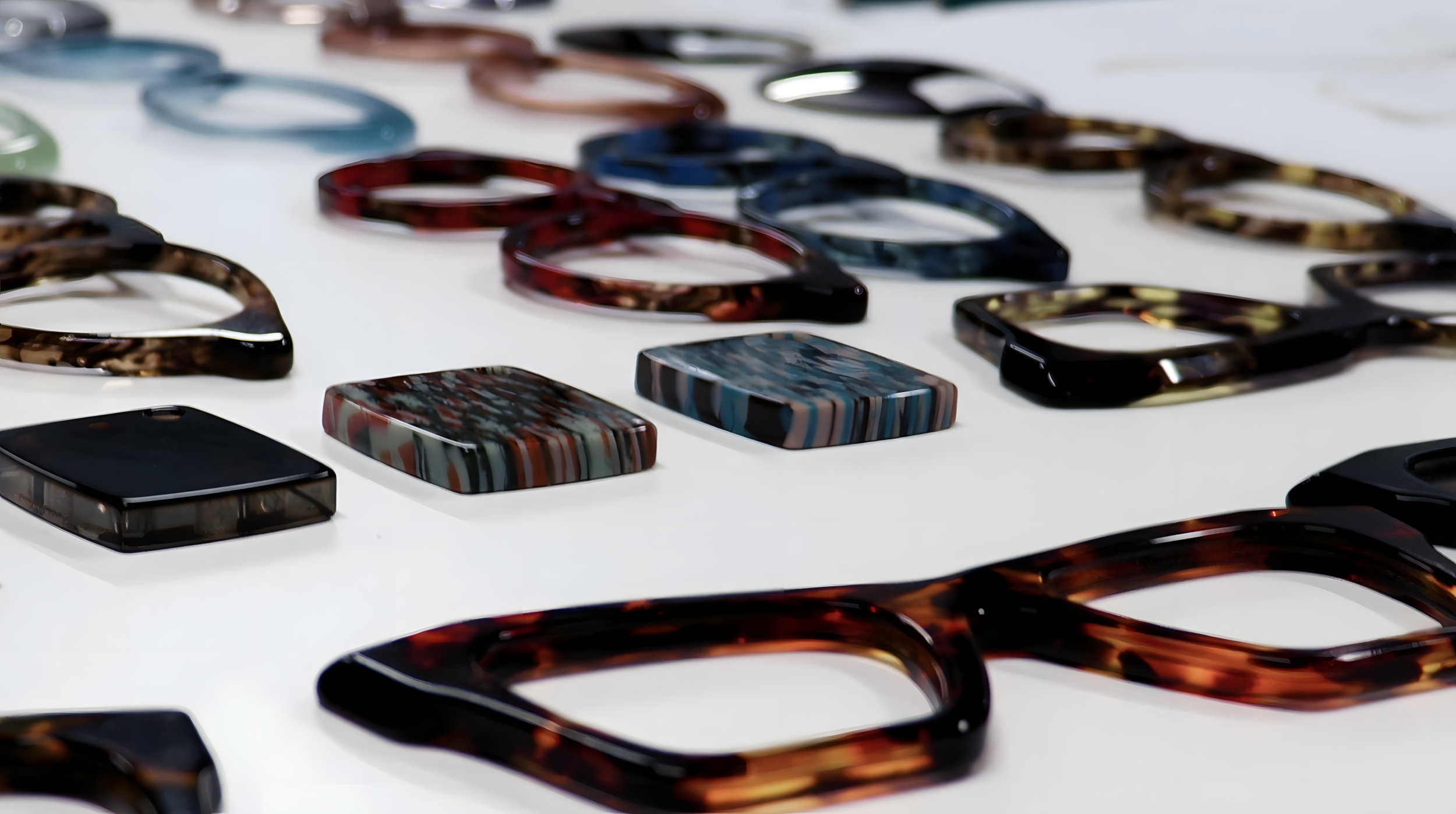
When launching a new line of oem eyewear or bespoke glasses, manufacturers must invest in multiple tooling categories that extend far beyond initial mold creation. Each design iteration, material change, or specification adjustment triggers additional tooling requirements that weren't part of the original estimate. By recognizing these cost drivers early and establishing robust quality control procedures, development teams can reduce waste, minimize rework cycles, and deliver superior products without excessive financial strain.
Understanding Mold and Die Tooling Expenses
Primary Mold Development Costs
The foundation of custom eyewear production begins with mold tooling, which requires precision engineering and specialized expertise. For bespoke glasses, creating an accurate mold involves multiple design iterations, material testing, and prototype validation. The initial investment covers CAD modeling, mold material sourcing, machining operations, and trial runs that verify dimensional accuracy. Most manufacturers underestimate the number of refinement cycles needed before a mold produces parts that meet tight optical and structural tolerances.
Secondary tooling additions frequently appear after initial production launches. When custom frame manufacturing requires adjustments to hinge mechanisms, bridge geometry, or temple flexibility, engineers must commission updated molds or inserts. These mid-production modifications consume unexpected budgets because they weren't anticipated during the initial design phase. Quality control inspections often reveal subtle deviations in lens curvature, frame alignment, or material consistency that demand tooling corrections. Planning for a contingency reserve of 15 to 25 percent above the base mold cost helps absorb these inevitable revisions.
Assembly Fixtures and Jigs
Beyond injection molding or metal pressing dies, custom eyewear requires specialized assembly fixtures and jigs for precision alignment during manufacturing. These tools ensure consistent lens positioning, proper hinge installation, and accurate temple angle during production runs. For bespoke glasses with complex bridge designs or asymmetrical features, custom fixture costs can rival or exceed standard mold expenses. Quality control protocols demand that fixtures maintain tolerances within micrometers, requiring regular inspection and periodic replacement as wear accumulates. Many manufacturers discover that their assembly fixtures have become limiting factors in production speed, necessitating upgraded tooling that wasn't budgeted initially.
Material-Specific Tooling Surprises
Premium Material Processing Requirements
When oem eyewear specifications call for titanium, acetate, or other specialty materials, tooling requirements shift dramatically compared to standard plastic frames. Titanium custom frame manufacturing demands different cutting speeds, cooling systems, and die materials than conventional production. Acetate bespoke glasses require temperature-controlled molding environments and longer cycle times that existing injection equipment may not accommodate. These material-driven tooling modifications add costs that weren't apparent when designers selected premium materials purely for aesthetic or performance reasons. Quality control becomes exponentially more complex when working with materials that have narrow processing windows.
Surface finishing tooling represents another category that surprises budget planners. Custom eyewear with brushed finishes, polished edges, or colored coatings requires additional tooling for grinding, polishing, anodizing, or coating application. Each custom frame manufacturing project with specific surface requirements needs dedicated equipment or tooling modifications. The number of finishing operations directly impacts both tooling costs and production lead times. Bespoke glasses manufacturers often find that aesthetic customization demands multiply the complexity and expense of their finishing tooling infrastructure.
Color and Coating Variations
Producing custom eyewear in multiple colors or with specialized coatings introduces tooling costs that compound across the entire product line. Each color variant may require separate molds if the material composition changes, and each coating application demands additional processing tooling and quality control infrastructure. Oem eyewear manufacturers planning multi-color releases should expect tooling expenses to scale non-linearly as color options increase. The investment in color-specific tooling often exceeds what per-unit production savings eventually recover, especially for lower-volume bespoke glasses runs.
Quality Control Tooling and Testing Infrastructure
Precision Measurement and Testing Tools
Implementing comprehensive quality control for custom eyewear requires investment in precision measurement tooling that validates optical properties, dimensional accuracy, and material integrity. Digital calipers, optical benches, and specialized lens testing equipment represent essential tooling that many development budgets overlook. For bespoke glasses and custom frame manufacturing, measuring complex geometries demands tooling calibrated to sub-millimeter tolerances. Optical testing for lens power, prism deviation, and aberrations requires equipment that costs tens of thousands of dollars and needs regular validation against certified standards.
Sample holders, reference gauges, and custom fixtures for testing apparatus constitute additional tooling investments that support quality control operations. When launching new lines of custom eyewear or oem eyewear, manufacturers must commission test fixtures that accommodate unique frame dimensions and bridge geometries. These fixtures become permanent tooling assets because ongoing production requires consistent validation protocols. Budget planning should allocate 10 to 15 percent of total tooling investment toward quality control infrastructure, as this spending directly prevents costly rework and customer returns.
Documentation and Tracking Tooling
Modern bespoke glasses production demands barcode systems, serialization tooling, and digital tracking infrastructure to maintain quality control across large production volumes. Laser marking systems, tamper-evident packaging tooling, and traceability documentation create overhead that wasn't necessary for smaller artisanal operations. As custom frame manufacturing scales, the tooling needed for compliance documentation, batch testing records, and quality certification becomes increasingly sophisticated. These administrative tooling investments protect brand reputation and enable rapid response when quality issues emerge across specific production batches.
FAQ
What are the most common tooling cost overruns in custom eyewear projects?
The most common overruns occur when design iterations require mold modifications, premium materials demand specialized processing tooling, and assembly fixtures need upgrades for precision alignment. Quality control infrastructure and finishing tooling for aesthetic customization frequently exceed initial budgets because their complexity becomes apparent only during trial production. Many teams underestimate the cost of color-specific tooling and material-specific equipment modifications, discovering these expenses mid-project when budget adjustments become difficult to accommodate.
How can manufacturers reduce tooling surprises when developing bespoke glasses?
Establishing detailed design specifications early, conducting thorough material and process feasibility studies, and building contingency reserves of 15 to 25 percent above base tooling estimates significantly reduce surprises. Working with experienced oem eyewear partners who have existing tooling infrastructure for common materials and designs can lower custom frame manufacturing costs. Implementing rigorous prototyping and design validation before committing to production tooling helps identify potential issues before they become expensive problems that require mid-stream corrections.
Why is quality control tooling often overlooked in custom eyewear budgets?
Quality control tooling appears less visible than production molds because it doesn't directly create finished parts, leading planners to underestimate its importance and cost. However, precision measurement equipment, test fixtures, and inspection infrastructure are essential for validating that custom eyewear meets optical standards, dimensional tolerances, and material specifications. Bespoke glasses manufacturers who neglect quality control tooling investments invariably face higher rework rates, customer dissatisfaction, and long-term brand damage that far exceeds the initial savings from deferring these expenses.



