
 EN
Shortening Custom Eyewear Sampling Cycles: Planning Considerations for Buyers and Brands
Discover 4 proven planning levers—parallel workflows, vendor selection, documentation, and gating—to cut custom eyewear sampling by 4–12 weeks.
Reducing sampling cycles in custom eyewear production is a critical business objective for both buyers and brands seeking competitive advantage. When you invest in custom eyewear, the timeline from concept to market directly impacts your ability to respond to consumer demand and maintain product freshness. Long sampling cycles introduce unnecessary delays, increase carrying costs, and create bottlenecks in the product development workflow. Understanding how to compress these cycles without sacrificing quality or design integrity requires strategic planning across multiple operational dimensions.
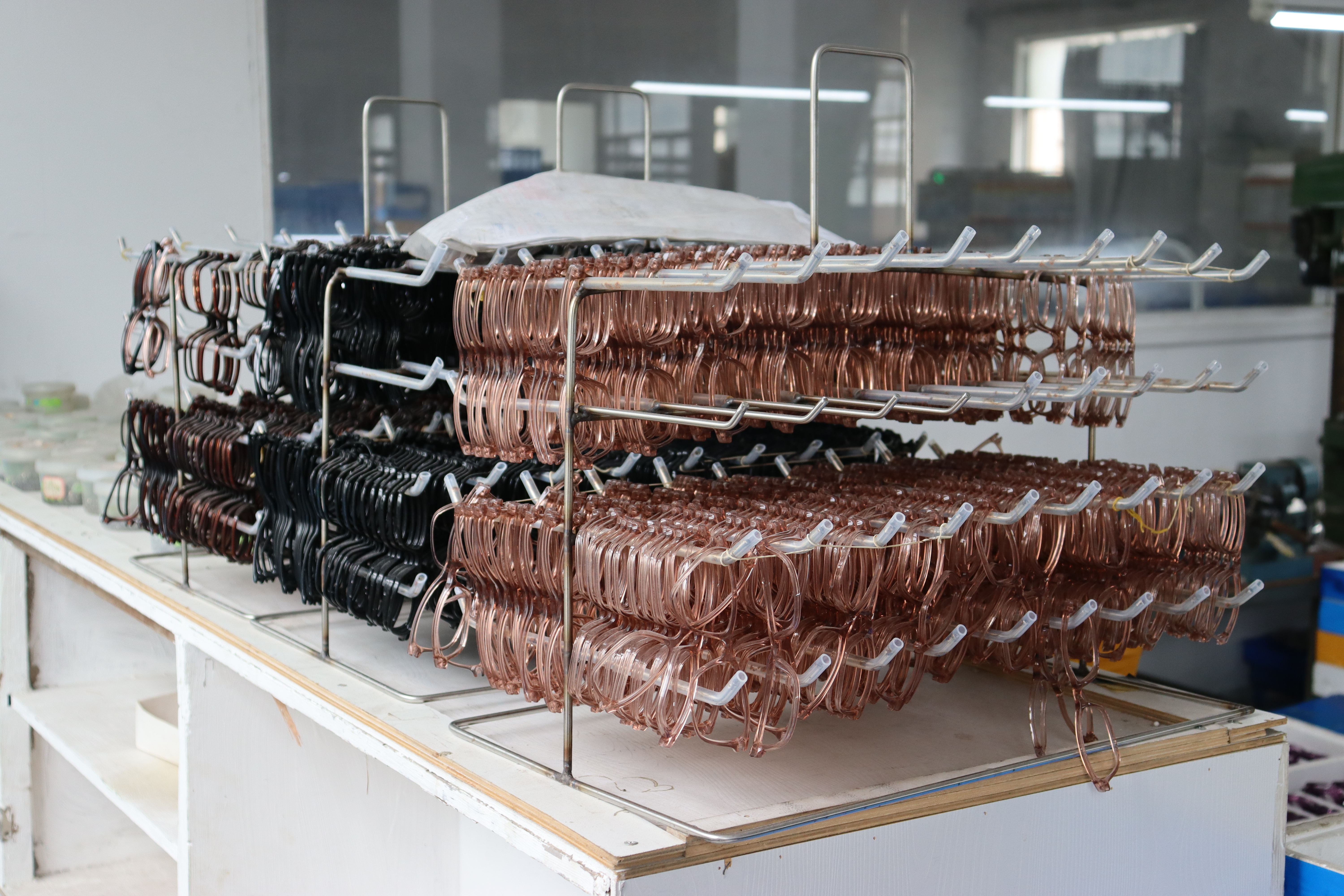
The eyewear industry faces unique constraints when developing bespoke glasses and managing custom frame manufacturing timelines. Sampling involves iterative design reviews, material sourcing, prototype construction, quality assessments, and compliance validation across multiple geographies and regulatory frameworks. Brands and buyers who master the planning process can accelerate time-to-market while maintaining the premium positioning that custom eyewear products demand. This guide addresses the essential planning considerations that enable faster, more efficient sampling cycles in custom frame manufacturing operations.
Understanding Current Sampling Bottlenecks
Identifying Root Causes in Custom Frame Manufacturing
Most delays in custom frame manufacturing arise from unclear design specifications at project initiation. When brands or oem eyewear manufacturers fail to document detailed technical requirements upfront, suppliers must request clarifications that consume weeks of back-and-forth communication. Additionally, sequential rather than parallel workflows slow progress significantly. Many organizations process design approval, material selection, and tooling setup one step at a time instead of running these activities concurrently. Geographic and time-zone gaps between buyers and manufacturers introduce additional latency in decision-making cycles.
Communication and Documentation Gaps
Effective custom eyewear projects require comprehensive technical documentation including detailed design sketches, material specifications, dimension tolerances, and finish requirements. Inadequate documentation forces manufacturers to make assumptions that may contradict brand intent, necessitating design rework and additional sampling rounds. Similarly, unclear approval authorities and decision-making processes delay progression through each sampling phase. When organizations lack a defined change-management protocol, simple modifications can trigger unexpected rework cycles that extend timelines by weeks or months.
Strategic Planning Framework for Accelerated Sampling
Establishing Clear Project Parameters
Successful acceleration of bespoke glasses sampling starts with comprehensive upfront planning. Brands and buyers must establish explicit project checklists that define all design parameters, performance requirements, compliance obligations, and aesthetic preferences before engaging manufacturers. This foundation eliminates ambiguity and enables oem eyewear suppliers to begin work with high clarity. Projects should include detailed technical specifications, reference images, material samples, and functional prototypes that communicate design intent unambiguously. Clear parameters reduce iteration cycles and accelerate progress through each sampling stage.
Parallel Process Architecture
Compressing custom frame manufacturing timelines requires running multiple workstreams simultaneously rather than sequentially. While design refinement continues, material sourcing and supplier qualification can proceed in parallel. Tooling development for custom eyewear can begin based on confirmed specifications while prototype samples are still in production. This parallel approach requires rigorous coordination and decision-making discipline, but it substantially reduces overall project duration. Organizations that implement concurrent engineering methodologies in custom eyewear development typically reduce sampling cycles by thirty to forty percent compared to traditional sequential workflows.
Operational Excellence and Vendor Management
Supplier Selection and Capability Assessment
Selecting manufacturers with proven expertise in custom frame manufacturing directly influences sampling cycle speed. Suppliers experienced in bespoke glasses production understand industry standards, compliance requirements, and quality expectations without requiring extensive education. During vendor selection, buyers should assess prior sampling experience, available in-house capabilities, tooling infrastructure, and responsiveness to timeline demands. Experienced oem eyewear manufacturers often maintain pre-qualified materials, standard processes, and rapid prototyping capabilities that enable faster progression through sampling phases. Building long-term relationships with capable manufacturers creates institutional knowledge that accelerates future projects.
Structured Sampling Gates and Decision Points
Implementing formal sampling gates creates discipline and clarity in custom eyewear development workflows. Each gate should define specific deliverables, success criteria, and decision authorities before progression. A typical structure includes an initial design sample phase, followed by functional prototyping, then pre-production validation samples. Establishing clear deadlines for each gate and assigning accountability for approvals prevents indefinite delays. When organizations implement structured sampling protocols, they create predictable timelines and eliminate ambiguity about next steps. This formality accelerates decision-making and keeps stakeholders aligned throughout the bespoke glasses development process.
FAQ
How much time can be saved by improving custom frame manufacturing planning?
Organizations that implement comprehensive upfront planning and parallel workflows typically reduce custom eyewear sampling cycles by four to eight weeks compared to traditional approaches. The actual time savings depends on project complexity, supply chain maturity, and organizational alignment. Simpler custom frame manufacturing projects with minimal design iteration may see improvements of two to three weeks, while complex bespoke glasses with extensive customization may achieve eight to twelve week reductions through optimized planning.
What are the key risks of rushing custom eyewear sampling cycles?
Accelerating sampling cycles without proper planning introduces quality risks, design errors, and compliance issues in custom frame manufacturing. Rushing increases the likelihood of specification misalignment, tooling mistakes, and material incompatibilities that become costly when discovered in production. Additionally, compressing timelines without parallel workflows simply transfers delays rather than eliminating them. The most effective approach balances speed with rigor by improving planning quality and process efficiency rather than forcing teams to work faster.
How should buyers manage oem eyewear vendors during compressed sampling schedules?
Effective vendor management during accelerated custom eyewear sampling requires transparent communication, realistic expectations, and collaborative problem-solving. Buyers should provide manufacturers with complete documentation upfront, establish clear deadlines with adequate buffers for unforeseen issues, and maintain regular progress reviews. When challenges arise in custom frame manufacturing, successful organizations work jointly with suppliers to find solutions rather than simply enforcing schedule adherence. Building partnership approaches with oem eyewear manufacturers creates mutual commitment to timely delivery while maintaining quality standards.



