
 EN
The Custom Eyewear Development Workflow From Sketch to Sample: A Technical Guide for Eyewear Buyers
Discover the end-to-end technical workflow for custom eyewear—from sketch to approved sample. Optimize OEM collaboration, reduce iteration costs, and ensure quality.
The journey from concept to finished product in the eyewear industry requires a structured, methodical approach that balances design creativity with manufacturing precision. Custom eyewear development represents a critical phase for brands, retailers, and wholesalers seeking differentiated products that meet specific market demands. Understanding the complete workflow—from initial sketch through final sample—ensures smoother collaboration with manufacturers, faster iteration cycles, and higher quality outcomes. This technical guide walks eyewear buyers through each stage, clarifying decisions, technical requirements, and quality checkpoints that determine product success.
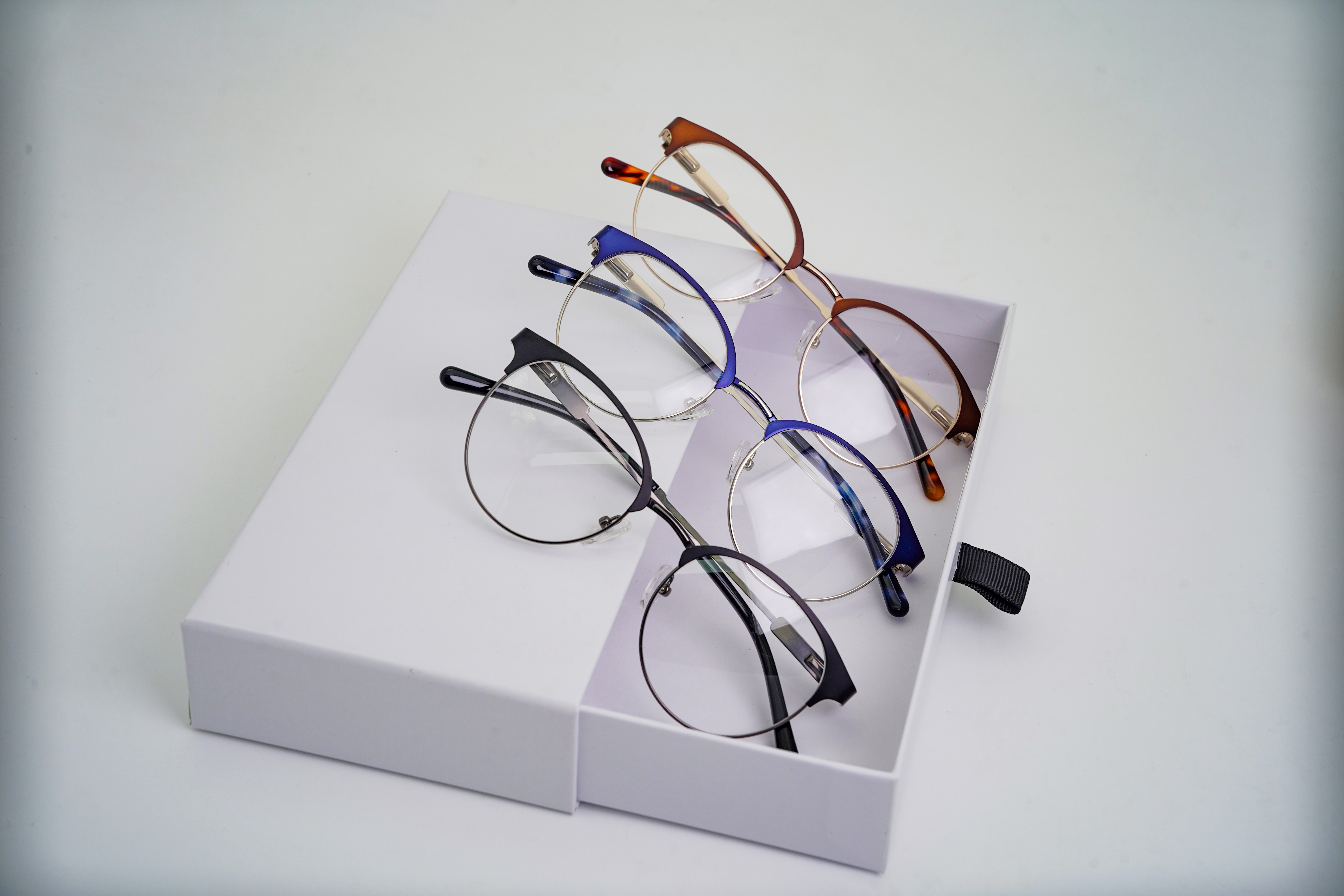
Developing bespoke glasses involves multiple specialized disciplines including product design, engineering, materials science, tooling, and quality assurance. Manufacturers who produce custom eyewear must coordinate between design teams and production facilities to ensure specifications translate accurately from digital files to physical frames. OEM eyewear production demands attention to aesthetic details, ergonomic performance, structural integrity, and compliance with international standards. For buyers entering this process for the first time, the technical complexity can feel overwhelming. This guide breaks down each phase into actionable stages, explaining what happens at each step, what decisions you'll face, and what quality indicators to monitor.
Design Conceptualization and Technical Specifications
Translating Vision into Technical Requirements
The initial phase of custom frame manufacturing begins with converting creative concepts into precise technical specifications. Your design team starts with sketches—either hand-drawn or digital—that capture the desired aesthetic, proportions, and functional features. These sketches must then be translated into detailed technical drawings that include exact measurements, material choices, hinge mechanisms, and bridge configurations. Bespoke glasses require dimensional accuracy within tenths of millimeters, as even small deviations affect fit, comfort, and appearance. During this stage, you'll work with your manufacturer's engineering team to validate that your design concept is feasible given production capabilities, material constraints, and cost parameters.
Material Selection and Sourcing Strategy
Material choice fundamentally influences the character, performance, and manufacturability of custom eyewear. Options include acetate compounds, titanium alloys, stainless steel, and mixed materials that combine different properties. Acetate offers rich color possibilities and warm aesthetics ideal for fashion-forward bespoke glasses. Titanium delivers exceptional durability, lightweight performance, and hypoallergenic properties, making it premium OEM eyewear choice for high-end markets. Your selection should balance aesthetic goals with functional requirements, production scalability, and target price points. Manufacturers maintain established supplier relationships for material sourcing, ensuring consistent quality and reliable availability. At this stage, you'll specify material type, finish options (matte, glossy, metallic), color standards, and any special treatment requirements like UV resistance or anti-reflection coatings.
Engineering and 3D Development Phase
CAD Modeling and Digital Prototyping
Once technical specifications are locked, the engineering team creates precise 3D CAD models of your custom frame design. These digital files become the blueprint for all downstream manufacturing processes, from tooling through final production. The 3D model must account for hinge placement, screw hole positioning, lens aperture dimensions, and assembly requirements. Engineers run digital simulations to test structural integrity, stress points, and material behavior under typical wear conditions. This phase often reveals design conflicts or manufacturing inefficiencies invisible in 2D sketches. Your manufacturer will iterate the CAD model with your feedback until it meets both aesthetic and functional criteria. High-quality 3D models enable faster, more accurate sample production and reduce costly design changes later in tooling.
Prototype Testing and Design Validation
Before committing to expensive production tooling for OEM eyewear, most manufacturers create preliminary prototypes using rapid prototyping technologies like 3D printing or CNC machining. These samples allow you to evaluate proportions, weight distribution, hinge functionality, and overall tactile experience. Prototype testing reveals fit issues, assembly challenges, and design refinements needed before moving to production samples. This stage is critical for catching problems early—changes at the prototype phase cost a fraction of what they cost after tooling investment. You'll assess whether the frame feels balanced on the face, hinges operate smoothly, and the aesthetic translates from digital rendering to physical product. Most experienced buyers request multiple prototype iterations, treating this phase as essential design validation rather than an optional step.
Sample Production and Quality Assurance
Tooling and Soft-Tooling Decisions
Moving from prototype to production-ready samples requires commitment to tooling—the creation of molds, dies, or fixtures needed for manufacturing at scale. Soft tooling uses flexible, reusable molds suitable for lower volumes and design flexibility; hard tooling creates permanent molds optimized for high-volume production runs. Custom frame manufacturing typically progresses through soft-tool samples first, allowing design adjustments without large financial risk. Once you approve soft-tool samples, the manufacturer creates production tooling for the final design. This progression applies whether you're producing bespoke glasses for limited boutique release or higher-volume OEM eyewear for broader distribution. Tooling investment represents a significant decision point—it signals confidence in the design and commits both parties to that specification.
Sample Quality Control and Specification Verification
Production samples undergo rigorous quality testing to verify that manufacturing matches design intent across multiple units. Quality control teams measure frame dimensions, verify hinge torque values, check lens fit tolerances, inspect surface finishes, and test assembly integrity. They verify that colors match approved standards, materials meet specification requirements, and all components function as designed. Samples are tested under realistic wear conditions—frames are flexed, hinges cycled, and stress points evaluated. Documentation throughout this phase creates traceability and establishes baselines for ongoing production quality. Your role as the buyer includes reviewing sample quality reports, verifying that specifications were achieved, and confirming that the production version matches your approved prototype. Only after sample approval do you authorize full-scale production run initiation.
The complete custom eyewear development workflow typically requires 8–16 weeks from initial concept to approved production samples, depending on complexity, material selection, and iteration needs. This timeline includes design refinement, CAD development, prototype creation, soft-tool sampling, and quality validation. Understanding each phase helps you manage stakeholder expectations, identify potential delays early, and make informed decisions about design modifications. Clear communication with your OEM eyewear manufacturer throughout this process—especially regarding revision requests and approval criteria—ensures smoother execution and fewer costly surprises.
FAQ
How long does the custom eyewear development process typically take?
Complete custom frame manufacturing from sketch to approved production sample usually requires 8–16 weeks, depending on design complexity, material selection, and revision iterations. Initial CAD development and prototype creation take 3–5 weeks, followed by soft-tooling and sample production requiring another 4–8 weeks. Rush timelines are possible but typically involve premium costs and reduced iteration opportunities. Bespoke glasses with unusual materials or complex hinge mechanisms may require extended timelines. Clear specification and minimal revision requests accelerate this timeline significantly.
What's the difference between soft tooling and hard tooling in custom frame manufacturing?
Soft tooling uses flexible, reusable molds suitable for lower production volumes and design flexibility, typically used for sample production and initial runs. Hard tooling creates permanent molds optimized for high-volume, long-run production, requiring larger upfront investment but offering superior unit economics at scale. OEM eyewear producers typically progress through soft tooling first, allowing design refinement before committing to hard tooling expenses. Soft tooling can accommodate small modifications between production runs, while hard tooling requires significant expense to alter. Most buyers treat soft tooling as the standard for pre-production samples and hard tooling as the investment stage once design is locked.
What quality metrics should eyewear buyers focus on during sample approval?
Key quality metrics for bespoke glasses samples include dimensional accuracy within specification, hinge torque values and smooth operation, lens fit tolerances and aperture precision, surface finish consistency and appearance, color matching against approved standards, and structural integrity under stress testing. Material properties like weight, flexibility, and coating adherence should be verified against specifications. Assembly quality, screw alignment, and component fit determine durability and user experience. Buyers should request detailed quality control reports documenting all measurements and test results, establishing baseline standards that production runs must consistently meet.



