
 EN
Logo Application Methods Used on Custom Eyewear Frames and Lenses: A Technical Guide for Eyewear Buyers
Compare screen printing, laser engraving, stamping & UV coatings. Choose wisely—get the buyer’s guide.
Logo application on custom eyewear frames represents a critical branding opportunity for eyewear businesses seeking to differentiate their products in a competitive marketplace. Whether you're manufacturing bespoke glasses for corporate wellness programs, retail distribution, or direct consumer channels, the method you select for applying logos directly affects product durability, aesthetic appeal, and brand perception. Understanding the technical nuances of logo application ensures your custom frame manufacturing process delivers professional results that reinforce brand identity and customer satisfaction.
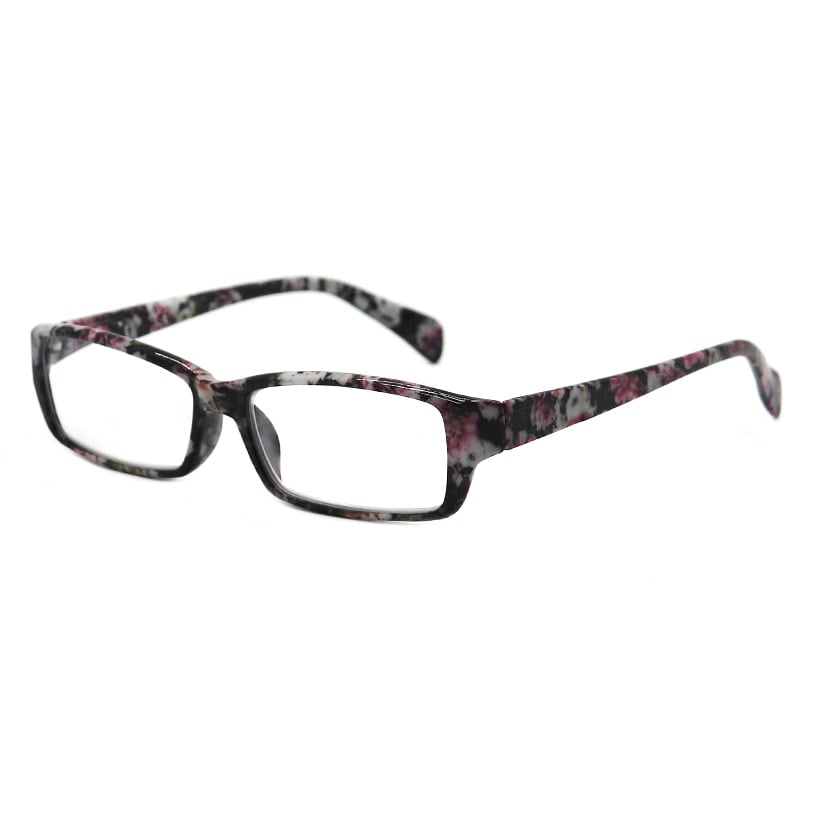
The technical requirements for logo placement on oem eyewear demand precision, material compatibility, and manufacturing consistency. Different substrates—acetate, metal alloys, TR-90 polymers, and polycarbonate—respond distinctly to various application techniques. Your choice of method influences production timelines, cost structures, minimum order quantities, and long-term logo durability through daily wear, cleaning cycles, and exposure to environmental factors. This guide walks through the primary logo application methods available for custom frame manufacturing, helping you select the most suitable approach for your specific production requirements.
Screen Printing and Direct Application Methods
Surface Preparation and Screen Printing Fundamentals
Screen printing remains one of the most economical methods for applying logos to bespoke glasses frames, particularly for acetate and plastic materials. The process involves creating a mesh screen with your logo design, then forcing ink directly through the screen onto the frame surface. Custom eyewear manufacturers using screen printing benefit from high-volume repeatability, vibrant color reproduction, and relatively low per-unit costs once setup is complete. The critical factor is proper surface preparation—cleaning the frame material to remove release agents, molds oils, and dust ensures optimal ink adhesion and prevents color inconsistencies.
Ink Formulation and Durability Considerations
The ink chemistry selected for custom frame manufacturing significantly impacts logo longevity and appearance retention. UV-resistant inks formulated specifically for eyewear applications withstand prolonged sun exposure without fading, while water-resistant formulations prevent degradation during cleaning and humid storage. For oem eyewear produced at volume, manufacturers typically employ plastisol or polyurethane-based inks that cure to form durable, flexible coatings. When specifying screen printing for your bespoke glasses, request ink samples tested for soap resistance, alcohol tolerance, and mechanical abrasion to confirm the logo will maintain visual integrity through the product lifecycle.
Engraving and Mechanical Application Techniques
Laser Engraving for Precision and Permanence
Laser engraving offers a permanent alternative to surface printing, removing material layer-by-layer to create the logo within the frame itself. This method suits metal frames, titanium alloys, and certain high-density plastics where custom eyewear demands premium aesthetic presentation. The laser beam vaporizes a thin surface layer, leaving a micro-textured recess that catches light and enhances visual contrast. For custom frame manufacturing, laser engraving eliminates concerns about ink peeling or fading because the logo becomes part of the material structure. The trade-off is higher per-unit cost and longer processing time compared to screen printing, making it most practical for lower-volume, high-value oem eyewear segments.
Mechanical Stamping and Embossing
Mechanical stamping applies logos through die-press force, creating raised or recessed impressions on frame surfaces. This technique works effectively on acetate bespoke glasses and softer polymers, producing tactile logos that appeal to premium market positioning. Hot stamping variants apply metallic foils under heat and pressure, creating metallic logos ideal for luxury custom eyewear applications. Custom frame manufacturing utilizing mechanical methods achieves fast production speeds and consistent impression depth, though die fabrication costs demand larger minimum order quantities. The durability of mechanically applied logos exceeds surface printing, with the logo integrated into the material structure rather than sitting atop the surface.
Advanced Coating and Hybrid Application Systems
UV-Curable Coating Systems
UV-curable coatings represent a sophisticated approach for custom eyewear logo application, particularly in oem eyewear manufacturing where consistency and durability are non-negotiable. These liquid coatings are applied over printed or engraved logos, then instantly hardened through ultraviolet light exposure. The resulting clear protective layer seals the logo underneath, dramatically extending wear life and preventing fading from sweat, moisture, or cleaning chemicals. For bespoke glasses intended for active use or outdoor environments, UV coating layers provide insurance against logo degradation. Custom frame manufacturers increasingly adopt this hybrid approach, combining screen printing with UV topcoats to achieve premium durability at moderate cost increases.
Multi-Layer Printing and Color Depth Techniques
Advanced custom frame manufacturing employs multi-layer printing, applying successive ink layers to build color depth and visual complexity. White underbase printing on transparent or colored frames ensures vibrant top colors, while spot-color techniques achieve precise brand color matching. For oem eyewear distributed through retail channels, this layered approach creates distinctive visual signatures that differentiate products on store shelves. The technical demand increases with layer count, requiring precise registration between each print station. When evaluating bespoke glasses suppliers, ask about their multi-color printing capabilities and whether they maintain color consistency across production batches—critical for brand integrity when logos appear on thousands of units.
Selection Framework for Your Custom Eyewear Application
Matching Method to Production Volume and Complexity
The optimal logo application method for your custom eyewear depends on production volume, logo design complexity, and target market positioning. Screen printing suits high-volume oem eyewear with simple, bold logo designs and budget-conscious specifications. Laser engraving appeals to low-volume, premium bespoke glasses where permanent, elegant logo presence justifies higher per-unit costs. Mechanical stamping bridges the middle ground, offering good durability at moderate costs for medium-volume custom frame manufacturing. Hybrid approaches combining techniques—such as printing plus UV coating—deliver premium durability for professional or promotional eyewear applications.
Material Compatibility and Frame Substrate Selection
Frame material directly influences logo application feasibility and visual results. Acetate bespoke glasses accept screen printing, mechanical stamping, and engraving equally well, offering flexibility in method selection. Metal frames excel with laser engraving and mechanical methods but require careful ink selection for screen printing. Polycarbonate and TR-90 custom eyewear demands UV-resistant inks and often benefits from coating protection. When sourcing custom frame manufacturing, discuss your specific substrate material with suppliers and request samples showing logo application on the exact frame material you plan to use. This ensures the chosen method will deliver the durability and appearance quality your brand requires across the entire oem eyewear production run.
FAQ
What logo application method is most durable for high-use custom eyewear?
Laser engraving and mechanical stamping produce the most durable logos for oem eyewear subjected to frequent cleaning, handling, and outdoor exposure. These methods integrate the logo into the material structure rather than sitting on the surface, eliminating concerns about peeling or fading. For bespoke glasses in professional or sports contexts, these permanent methods justify higher costs through extended logo longevity and consistent appearance throughout the product lifetime.
Can screen printing work on metal custom frame manufacturing?
Screen printing can be applied to metal frames, but requires specialized ink formulations and surface preparation to ensure proper adhesion. Metal's smooth, non-porous surface presents challenges for ink bonding, often necessitating primer coatings or mechanical surface roughening beforehand. Many custom eyewear manufacturers prefer laser engraving on metal bespoke glasses because it achieves superior durability and aesthetic results without adhesion complications. For oem eyewear with metal frames, consult your supplier about their specific metal printing capabilities before committing to design specifications.
How do I ensure color consistency across a large oem eyewear production run?
Color consistency in custom frame manufacturing requires specified Pantone or CMYK color codes, regular ink density monitoring, and mid-run quality checks by your manufacturer. Screen printing and multi-layer printing benefit from color matching standards and proper ink mixing protocols. Laser engraving consistency depends on equipment calibration and material consistency. When ordering custom eyewear or bespoke glasses at volume, request your supplier's quality assurance procedures and ask to approve pre-production samples showing the exact logo appearance, color, and placement specifications before full production begins.



